





































The recent publication of an article titled “Nationalism Is Driving the Neo Right’s Virulent Antisemitic Turn” in UnPopulist sheds light on an alarming trend within American conservatism: the rise of anti-Semitism linked to an increasing embrace of nationalism. The piece builds on previous insights shared by the author, including a discussion in the *Volokh Conspiracy* and a co-authored article in *National Affairs* with expert Alex Nowrasteh.
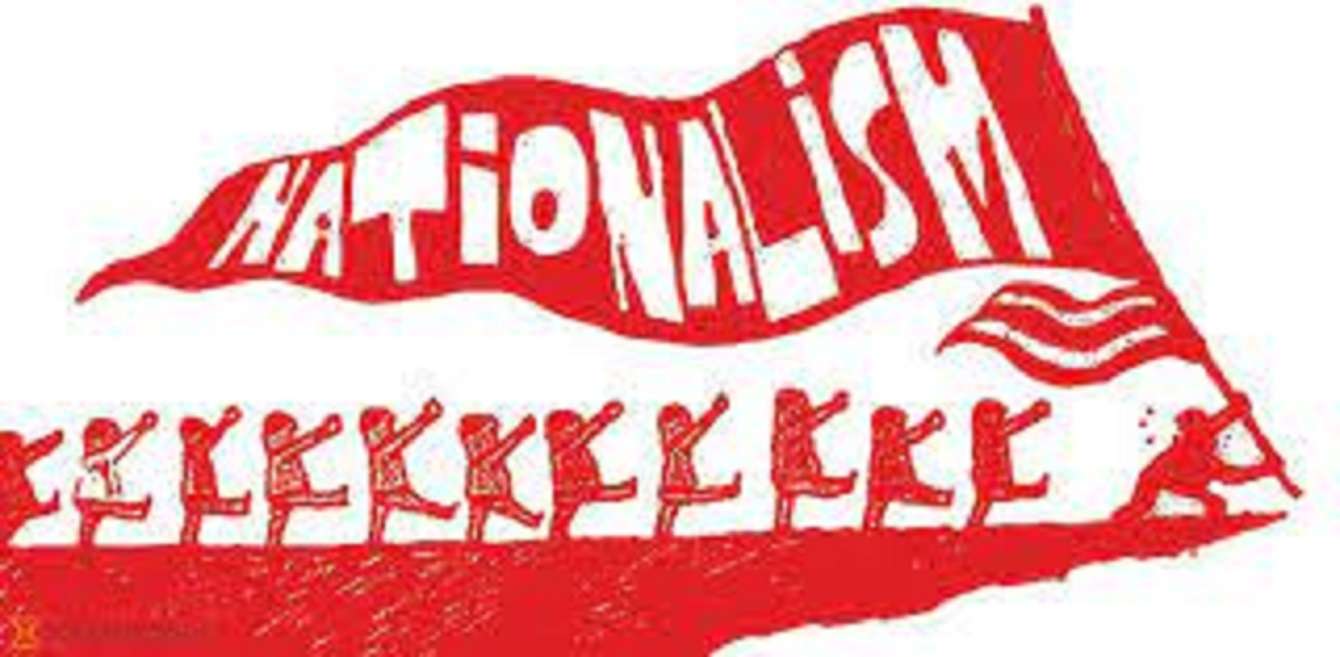
The article argues that the conservative movement is experiencing a significant shift, as evidenced by the emergence of the so-called “Groyper” anti-Semitism, which has created turmoil within both the Republican Party and influential conservative circles. This trend reflects a broader issue: the right’s pivot towards nationalism, which, according to the author, historically correlates with rising bigotry. Nationalism intensifies existing anti-Semitic sentiments, making it increasingly difficult for conservatives to counter this trend if they continue to support or accept nationalist ideologies.
In October 2023, *Politico* reported on leaked group chats featuring leaders from Young Republican chapters that contained openly anti-Semitic and pro-Nazi messages. This revelation highlighted a troubling undercurrent within the party. Later that month, the president of the Heritage Foundation, Kevin Roberts, sparked controversy by defending far-right podcaster Tucker Carlson, known for promoting anti-Semitic conspiracy theories, after Carlson interviewed notorious influencer Nick Fuentes, who openly supports Nazi ideologies.
The resurgence of right-wing anti-Semitism is closely tied to a redefined American identity, which has shifted under the influence of former President Donald Trump. This new identity emphasizes ethnic and racial considerations over universal liberal values, often prioritizing native-born white Christians over other demographic groups. The article posits that nationalist movements prioritize the interests of the dominant ethnic group, fostering suspicion and hostility towards ethnic and religious minorities, especially those with a significant diaspora.
Historical patterns reveal that nationalist ideologies often breed resentment towards successful minority groups, such as Jews, who are seen as encroaching on the majority’s interests. This zero-sum worldview, prevalent among nationalists, suggests that the success of one ethnic group must come at the expense of another. Additionally, the inclination towards conspiracy theories among nationalists can exacerbate these tensions, leading to a belief that the majority’s struggles are the result of a calculated plot by minority groups.
To counteract the divisive nature of nationalism, the article advocates for a return to the universal principles outlined by the American Founding Fathers. Robert George, in his resignation from the Heritage board, underscored the importance of these principles, emphasizing that every individual, regardless of race or religion, is “created equal” and entitled to certain unalienable rights. This sentiment echoes the ideals expressed by George Washington, who stated the United States was founded to be “an Asylum for the poor and oppressed of all nations and religions.”
Furthermore, Washington’s 1790 letter to the Touro Synagogue in Rhode Island articulated the United States’ commitment to full equality for Jews, asserting that the government would not endorse bigotry or persecution. This foundational belief in universalism stands in stark contrast to the ethnic particularism that nationalism promotes.
While it is crucial to acknowledge that anti-Semitism exists across the political spectrum, including on the far left, the article emphasizes that this does not mitigate the significance of right-wing nationalist anti-Semitism. The author calls for a unified rejection of all forms of bigotry, advocating for a political landscape grounded in equality and universal rights.
As the conversation around nationalism and anti-Semitism continues to evolve, the implications for American conservatism remain profound. The ability of conservatives to address these challenges will likely shape the future of the movement and its relationship with diverse communities across the nation.