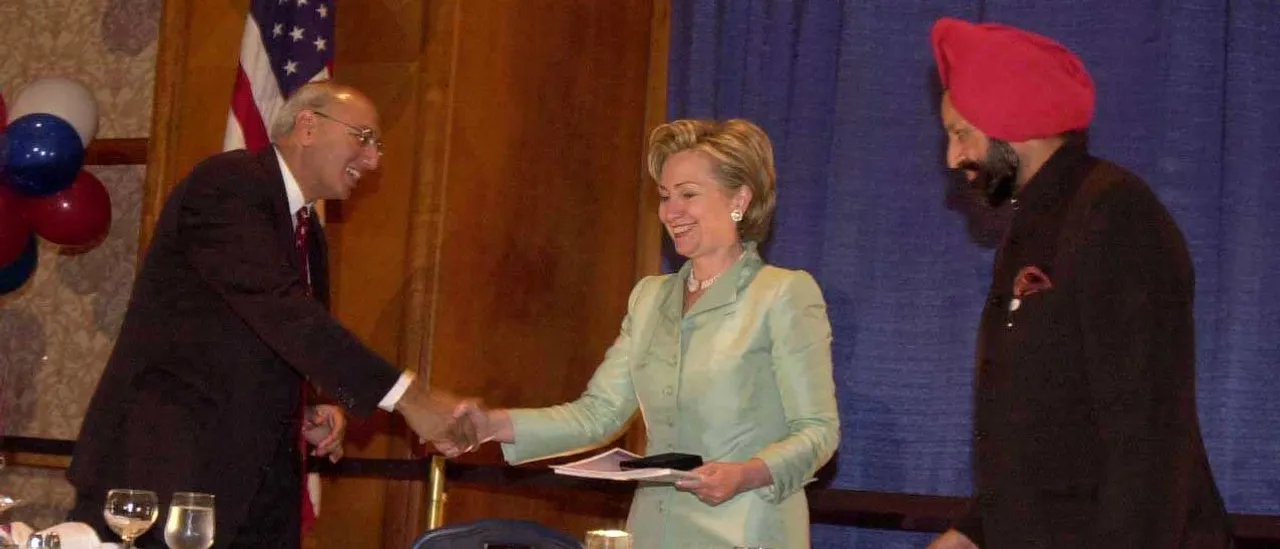
The FBI conducted an investigation into former Secretary of State Hillary Clinton regarding potential foreign donations to the Clinton Foundation during her tenure in office. As Clinton approached the Democratic presidential nomination in the spring of 2016, concerns arose about whether these contributions influenced U.S. foreign policy and if the foundation was misused for personal or campaign-related expenses. Internal FBI documents, recently released to the Senate Judiciary Committee, reveal that agents from the New York field office intended to question Clinton about these issues.
Among the evidence was a recorded conversation between Clinton and Indian businessman Sant Singh Chatwal, in which they discussed donations to the foundation alongside her outstanding debt from the 2008 presidential campaign. The investigation, dubbed “Cracked Foundation,” highlighted concerns of potential foreign bribery linked to the Clinton Foundation. Despite these findings, when Clinton met with FBI officials in July 2016 regarding a separate inquiry into her use of a private email server—termed “Midyear Exam”—agents did not question her about the foundation or the allegations of foreign influence.
The documents indicate that the FBI was aware of Chatwal’s past legal troubles, including a guilty plea for laundering donations to Clinton’s 2008 campaign, for which he forfeited $1 million. Chatwal, who has longstanding ties to the Clinton family and served as a trustee of the Clinton Foundation, was cited in various instances as having a significant influence in U.S.-India relations, particularly concerning a controversial nuclear agreement.
Under the agreement, India received access to U.S. dual-use nuclear technology without committing to the strictures of the Nuclear Non-Proliferation Act. Following the deal’s approval by Congress in October 2008, Chatwal reportedly celebrated by contacting Indian officials. FBI records suggest investigators intended to ask Clinton about whether financial contributions from Chatwal were linked to the U.S.-India nuclear deal.
Moreover, the documents reveal that the Clinton Foundation accepted foreign donations while Clinton was Secretary of State, contradicting her prior commitments to the Obama Administration. Investigators sought clarification on whether donations were used for personal benefit or to settle campaign debts. Questions posed to Clinton included details regarding the establishment of the Clinton Guistra Sustainable Growth Initiative, which was set up following her agreement to restrict foreign donations to the foundation. The initiative’s funding sources and the extent of foreign government contributions were also points of inquiry.
Despite the efforts from field agents to explore these concerns, the investigation faced significant limitations. An assistant U.S. attorney expressed frustration that FBI headquarters had ultimately blocked attempts to pursue leads related to the Clinton Foundation. This lack of follow-through highlights the internal challenges faced by investigators and raises questions about the effectiveness of oversight regarding potential conflicts of interest involving high-profile political figures.
The Clinton Foundation has not responded to requests for comment on these matters. The ongoing scrutiny of foreign donations and their implications for political campaigns remains a contentious issue in the broader political landscape. As investigations continue, the intersection of philanthropic contributions and political influence will likely remain a critical focus for regulators and the public alike.