




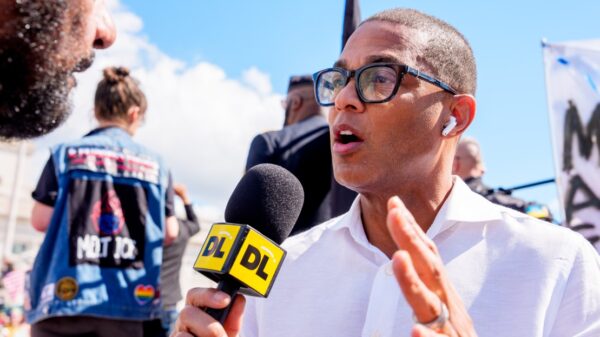

















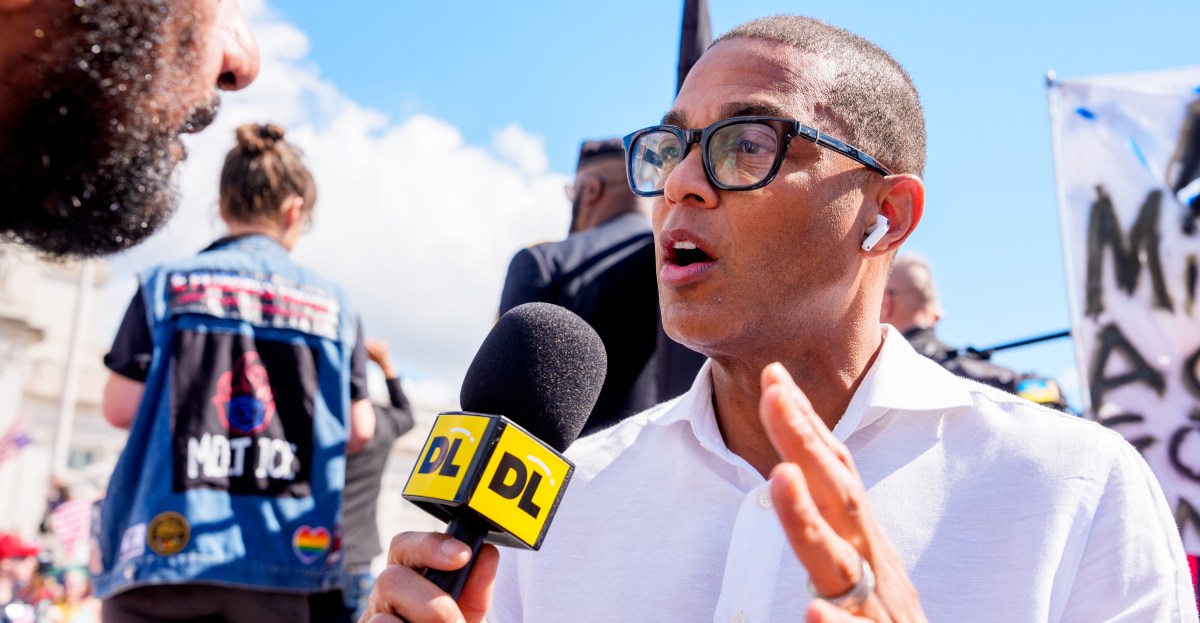
Journalists Don Lemon and Georgia Fort face serious legal challenges following their coverage of a protest in Minneapolis. On September 29, 2025, both were indicted by a grand jury on charges of conspiracy to deprive rights and interfering with religious freedom, along with several protesters involved in the event.
The charges stem from a protest held earlier in September 2025, where activists interrupted a church service in St. Paul. The protest targeted a pastor who is affiliated with the U.S. Immigration and Customs Enforcement (ICE). During the demonstration, Lemon and Fort documented the events, leading to their indictment alongside seven other defendants.
Details of the Indictment
The indictment, unsealed on Friday, alleges that Lemon, Fort, and the other defendants “entered the Church in a coordinated takeover-style attack and engaged in acts of oppression, intimidation, threats, interference, and physical obstruction.” The case has garnered significant attention, raising concerns about press freedom and the treatment of journalists.
This legal action marks a notable escalation from previous attempts by the Trump administration to charge Lemon. Prior efforts were thwarted when a federal magistrate judge declined to sign an arrest warrant for him immediately after the protest. An appeal from the administration was also rejected by a federal district court and subsequently by a federal appeals court panel.
Political Context and Implications
The implications of this indictment extend beyond the courtroom. Critics argue that the charges against journalists pose a threat to press freedom, particularly in an environment where the government appears to be targeting media figures for their coverage of social issues. The administration’s eagerness to publicize the indictment has further fueled concerns. Following the announcement, the White House made a controversial social media post, referring to Lemon’s arrest with a pun: “When life gives you lemons… ⛓️.”
In addition to Lemon and Fort, three activists were also charged in connection with the protests. Notably, there was controversy surrounding the White House’s manipulation of a photograph of activist Nekima Levy Armstrong, which was altered to depict her as crying during her arrest.
The situation has sparked widespread debate about the role of journalism in protest coverage and the potential overreach of government authority in censoring dissent. As the legal proceedings unfold, many will be watching closely to see how this case impacts the landscape of press freedom in the United States.
As the weekend approaches, many are reflecting on the broader implications of these events. In a lighter note, an inspiring story surfaced from Chicago, where community members raised over $8,000 for a school crossing guard, Joe Sass, who had gone viral for his selfless acts of helping students navigate treacherous winter conditions.
The coming days will likely reveal more about the ramifications of the charges against Lemon and Fort, as well as the ongoing discussions surrounding the rights of journalists in politically charged environments.