







































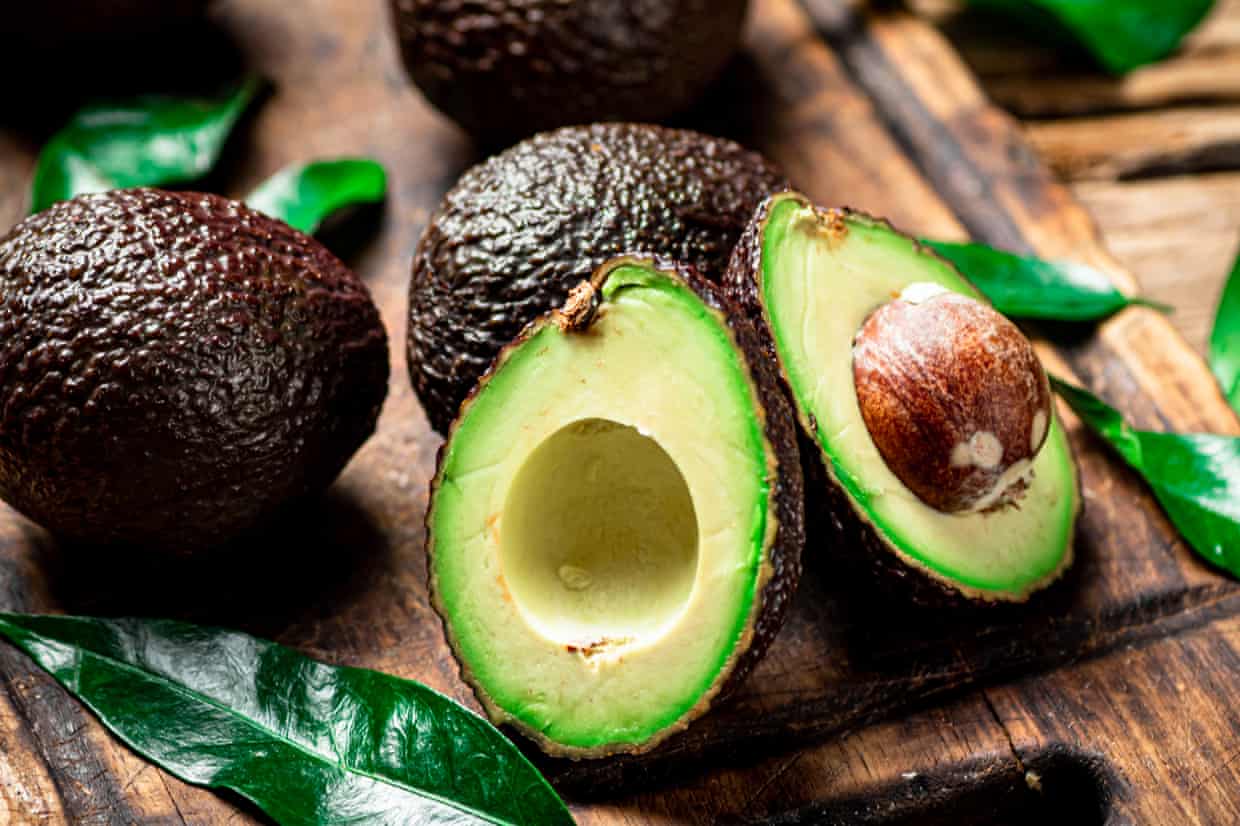
Avocado consumption in the United States has reached record levels, particularly as the Super Bowl approaches. Americans are expected to consume nearly 280 million pounds of avocados just ahead of this Sunday’s game, contributing to a staggering increase in demand for the fruit. This trend highlights not only the growing appetite for avocados, but also the evolving perception of their health benefits.
In 1990, the United States imported only 38 million pounds of avocados. By 2023, that figure skyrocketed to 2.789 billion pounds, with most imports coming from Mexico. On average, each American now consumes about 20 avocados annually, which equates to roughly 9 pounds of the fruit—a sixfold increase since 1998. This surge can be attributed to various culinary trends, including avocado toast, California rolls, and guacamole, which is a staple during major sporting events.
Despite the popularity of avocados, questions remain about their nutritional profile and the basis for their “superfood” status. A medium Hass avocado contains approximately 320 calories and 30 grams of heart-healthy, monounsaturated fat. Registered dietitian Dalina Soto explains that this type of fat can help lower cholesterol and decrease the risk of heart disease, while also facilitating the absorption of essential vitamins such as A, D, and folate.
Avocados also boast a significant fiber content, with one fruit providing about 14 grams, which constitutes nearly half the daily requirement for adults. Soto states that the fruit contains both soluble and insoluble fiber, both of which play crucial roles in gut health and metabolic function. “We need both for gut and metabolic health,” she emphasizes.
Research suggests that avocados may also offer cognitive benefits. According to a study conducted by researchers at Tufts University, regular avocado intake is correlated with improved memory and attention in older adults. This underscores the possibility of avocados being a valuable addition to a diet aimed at supporting brain health.
The question of whether avocados can assist in weight loss has been explored in recent studies. A randomized controlled trial in 2021 found that families consuming 14 avocados per week reported fewer overall calories and an improved quality of diet compared to a control group. However, Dr. Lorena Pacheco, the study’s lead author and a nutritional epidemiologist at the Harvard TH Chan School of Public Health, noted that participants did not experience significant weight loss. This suggests that dietary changes may take longer than six months to manifest in measurable outcomes.
Pacheco highlights that avocados might replace less healthy food options in households, which can lead to healthier overall eating patterns. She points out that substituting avocado for high-sugar or saturated-fat foods, such as mayonnaise, could contribute to better heart health. A 2022 study indicated that individuals consuming avocados twice weekly might have up to 21 percent lower risk of heart disease, particularly when avocados replace trans or saturated fats.
Despite their health benefits, concerns have emerged regarding the environmental impact of avocado farming. The majority of avocados consumed in the U.S. are grown in Michoacán, Mexico, where increased demand has contributed to illegal deforestation. According to Alicia Bárcena Ibarra, Mexico’s Secretary of Environment and Natural Resources, avocado orchard expansion has resulted in approximately 49,400 acres of deforestation between 2018 and 2024.
In response to these environmental challenges, initiatives have been launched to promote sustainable avocado farming. The Mexican government, along with the Association of Avocado Exporting Producers and Packers, introduced a deforestation-free certification program in 2024. This program aims to ensure compliance with environmental regulations and protect critical biological areas. Kimin Cho, a PhD candidate at the University of Hawai’i at Mānoa, notes that third-party audits will help maintain the integrity of the certification process.
As consumers continue to embrace avocados, the balance between health benefits and ecological responsibility remains a vital consideration. While the fruit may offer significant nutritional advantages, it is essential to address the environmental implications of its production to ensure a sustainable future for avocado consumption.