








































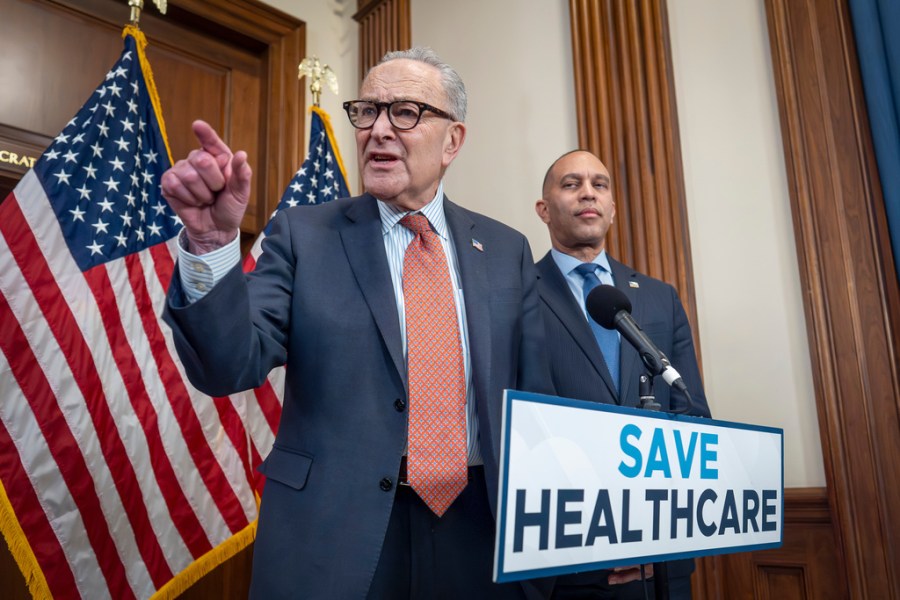
After a prolonged government shutdown lasting 43 days, a notable shift occurred in the U.S. Senate as eight Democratic senators supported a Republican bill aimed at extending the enhanced tax credits for the Affordable Care Act (ACA). These tax credits, which have played a vital role in making health insurance more accessible, are scheduled to expire on December 31, 2025. This bipartisan effort highlights a critical moment in health policy, even as the overarching issue of soaring health insurance costs remains unresolved.
The Republican-led initiative received support from Democratic senators, reflecting a rare moment of cooperation in a politically charged environment. This move was driven by the recognition of the importance of these tax credits for many Americans who rely on them to afford health insurance. The decision came amidst ongoing debates about the future of healthcare in the United States, with many Americans still grappling with rising medical costs.
Continuing Challenges in Healthcare Affordability
While the extension of these tax credits offers some relief, it does not address the fundamental challenges associated with the high costs of health insurance and medical care. Many analysts point out that without comprehensive reforms, issues such as exorbitant premiums and out-of-pocket expenses will continue to burden consumers.
According to the U.S. Department of Health and Human Services, the enhanced tax credits have significantly lowered premiums for millions of Americans, providing crucial financial assistance during a time when healthcare affordability is increasingly important. The current legislative move aims to sustain this support, but the lack of a long-term strategy raises concerns about the sustainability of health coverage for vulnerable populations.
The political landscape surrounding healthcare policy remains complex. Critics of the current proposal argue that extending tax credits is merely a temporary fix that does not tackle the systemic issues at the root of the healthcare crisis. There is a growing call for more robust reforms that would address the overall cost of healthcare, rather than focusing solely on subsidies.
Looking Ahead: The Future of Health Insurance
As discussions continue, the focus will likely shift toward finding solutions that provide comprehensive support for health insurance. Lawmakers from both parties will need to engage in constructive dialogue to forge a path forward that not only extends necessary financial assistance but also addresses the escalating costs of healthcare services.
The recent bipartisan vote serves as a reminder that despite political divisions, there is a shared interest in ensuring that health insurance remains accessible to all Americans. The challenge lies in balancing immediate needs with the long-term goal of a more sustainable healthcare system.
In summary, while the extension of enhanced tax credits for the Affordable Care Act represents a step forward, it also underscores the urgent need for more extensive reforms. As stakeholders evaluate potential pathways, the focus must remain on creating a healthcare system that is both affordable and equitable for all.