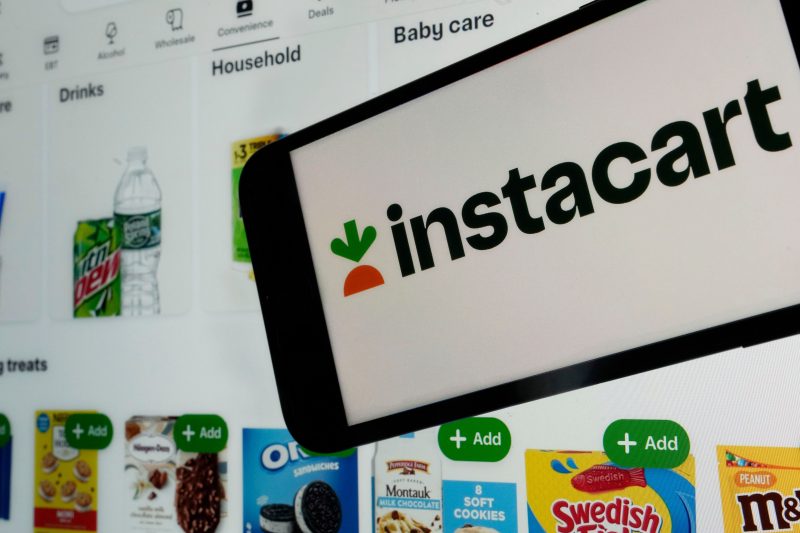
A recent study has raised concerns regarding pricing inconsistencies on the Instacart app, revealing that some customers are charged different prices for identical products sourced from the same retailers. The findings suggest that the pricing strategy may not be uniform across the platform, potentially leading to customer dissatisfaction and calls for transparency.
The analysis, conducted in October 2023, examined various items available on the Instacart app, highlighting discrepancies that could impact consumers’ purchasing decisions. Researchers noted that the same product, such as a specific brand of cereal or cleaning supplies, was listed at varying prices for different users, despite being fetched from the same participating grocery stores.
Consumer Reactions and Implications
This revelation has prompted a mixed response from users. Many have expressed frustration over what they perceive as unfair treatment, questioning the rationale behind such pricing differences. As more consumers turn to online grocery shopping, transparency in pricing becomes crucial for maintaining trust in e-commerce platforms like Instacart.
In defense of its pricing model, Instacart stated that several factors contribute to price variations. These can include promotions, regional pricing strategies, and individual customer account details. The company emphasized its commitment to providing competitive prices but acknowledged the complexities involved in pricing algorithms.
Investigation and Future Response
As the conversation around pricing fairness continues, consumer advocacy groups are calling for a thorough investigation into the matter. They argue that pricing inconsistencies could disproportionately affect vulnerable communities who rely on services like Instacart for their grocery needs.
Instacart’s response to the study will be pivotal in shaping public perception and regulatory scrutiny. The company has indicated plans to enhance its communication on pricing structures and potentially reevaluate its pricing strategies to ensure fairness across its user base.
This situation reflects a broader trend in the grocery delivery industry, where competition is fierce, and pricing transparency is increasingly demanded by consumers. The outcome of this scrutiny could have lasting implications for Instacart and similar platforms navigating the complexities of digital retail.