
















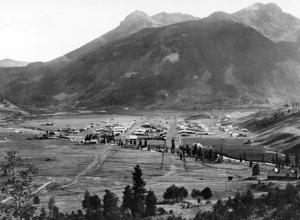























The discovery of silver in the San Juan Mountains during the 1870s fundamentally changed the landscape of Colorado, leading to a significant influx of miners and settlers. This surge was made possible, in part, by the broken treaties with the Ute people, the original inhabitants of the region, who had lived on the northern Colorado Plateau for centuries.
The Ute people’s territory encompassed nearly all of Colorado’s western half prior to statehood. The federal government’s disregard for existing treaties facilitated the encroachment of settlers into Ute lands. In 1868, the Treaty of the San Juan Mountains aimed to protect Ute territory, but subsequent violations by miners and settlers eroded this agreement. As silver veins were discovered, the Ute people’s displacement accelerated, leading to tensions that would shape the region’s future.
Impact of Silver Discovery on Ute Lands
The silver rush attracted thousands of prospectors, lured by the promise of wealth. Towns such as Silverton and Telluride emerged almost overnight, reshaping the economy and demographics of the area. According to the Colorado Historical Society, by 1880, the population of the mining district had surged to over 10,000, a stark contrast to the sparse Ute communities that had existed previously.
As miners flocked to the region, conflicts with the Ute escalated. The federal government often sided with the settlers, leading to violent confrontations. The Utes, who had relied on the land for sustenance and cultural practices, faced numerous challenges as their traditional way of life was disrupted. By the end of the 1870s, many Utes had been forcibly removed from their lands, with some relocated to reservations.
Long-term Consequences of Broken Treaties
The ramifications of these broken treaties extend far beyond the immediate displacement of the Ute people. The discovery of silver catalyzed the economic development of Colorado, contributing to its eventual statehood in 1876. However, this progress came at a profound cost to the Ute community, whose heritage and connection to the land were irrevocably altered.
The legacy of these events continues to resonate today, as discussions around land rights and reparations gain momentum. The Ute people, through various organizations, are working to reclaim their narrative and advocate for recognition of their historical grievances.
In light of the historical context, it is essential to acknowledge the complexities of Colorado’s development. The silver rush not only transformed the economy but also marked the beginning of a tumultuous relationship between settlers and Native American tribes. Understanding this history is vital as Colorado continues to navigate its identity and the ongoing impact of its past.