








































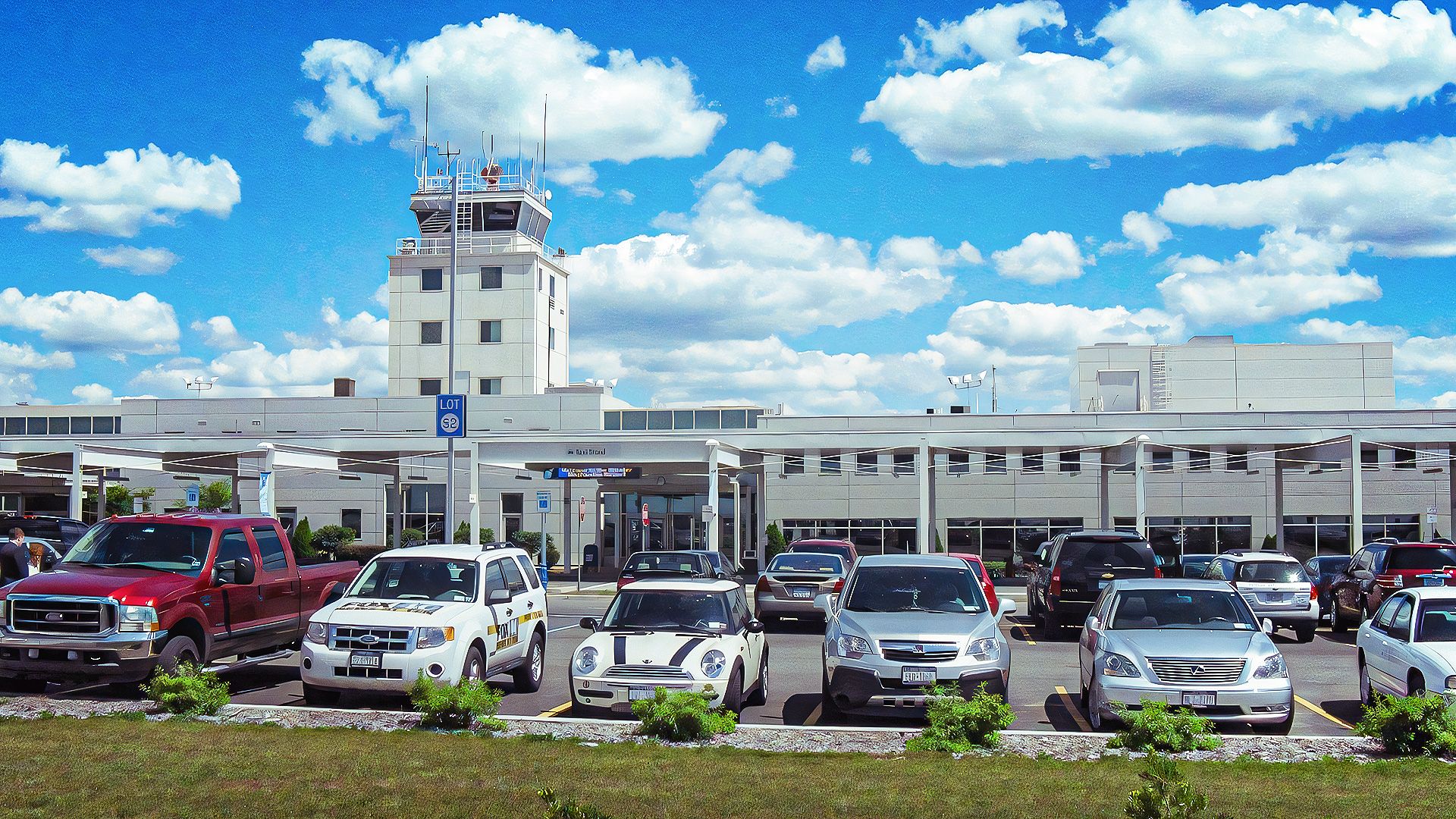
The future of Greater Binghamton Airport (BGM) in Broome County, New York, was uncertain as Delta Air Lines announced plans to cease all flights, potentially leaving the airport without commercial service. This decision, which would have taken effect on February 14, 2026, prompted significant concern for the small community, whose population is under 50,000. Delta was the last remaining commercial operator after the exits of United Airlines in 2016 and American Airlines in 2017.
In late December 2023, Delta’s announcement became public, confirming that the airport would lose its only scheduled commercial flights. Delta had previously provided two daily flights from BGM to Detroit, making it a vital link for local residents and businesses. The airline pledged to help passengers rebook their flights for travel beyond the cutoff date.
Mark Heefner, the Commissioner of Aviation for Greater Binghamton Airport, expressed the community’s disappointment over the decision. He stated, “Air service decisions involve many factors that are outside the control of local airports and communities. We are in active discussions with Delta and are working closely with our state, local, and federal partners to re-establish passenger service as soon as possible.”
In a bid to retain air service, BGM had focused on attracting new airlines by leveraging federal funds designated for rural airports. Heefner remained optimistic, suggesting that there might be opportunities for improved service in the future. He emphasized that the airport had made significant capital investments, including a $54 million renovation and the acquisition of a fixed-base operator in 2024, which would enhance its offerings to potential carriers.
The potential loss of Delta’s service raised alarms for employees, including those working for Delta, the airport’s TSA operatives, and rental car agencies. The uncertainty surrounding jobs added another layer of complexity to the situation. However, Delta announced plans to make its Atlanta service year-round in March 2024, further complicating the narrative for BGM.
Regulatory Changes and Industry Pressures
In a broader context, the airline industry faced significant changes. Last November, the U.S. Department of Transportation ended rules requiring airlines to automatically reimburse passengers for delays or cancellations. Previously, airlines were obligated to compensate passengers between $200 and $775, depending on the delay’s length. The removal of these safeguards raised concerns that rural airports like BGM could face abandonment, leaving passengers without options.
Airlines for America, a lobbying group representing major U.S. carriers, welcomed the regulatory changes, labeling the previous rules as burdensome. Nonetheless, these shifts raised alarms about the future of air travel for smaller communities.
Despite the initial announcement by Delta, discussions between state officials, the airline, and airport authorities led to a reversal of the decision. Delta chose to maintain its service at BGM, averting a potential crisis for the airport. This decision was critical for Binghamton, as losing Delta would have severely limited connectivity, making it difficult to attract a replacement carrier. Airlines are often hesitant to enter markets with diminished passenger demand, making the stakes high for the airport’s future.
Avelo Airlines and the Competitive Landscape
The backdrop of BGM’s struggle is a shift in the airline industry, with low-cost carriers increasingly challenging traditional airlines. Avelo Airlines, for instance, attempted to establish a presence at Binghamton by introducing flights to Fort Myers and Orlando in August 2022. Offering fares starting at $79, Avelo aimed to tap into the demand for affordable travel options.
However, Avelo faced its own set of challenges, including the cancellation of its Fort Myers launch due to Hurricane Ian, and ultimately exited the market in 2024 due to profitability issues. Despite this setback, the enthusiasm for air travel from BGM was evident, with 20,000 passengers flying to Orlando during Avelo’s brief operation, suggesting a strong demand for such routes.
The history of Greater Binghamton Airport dates back to its opening in 1951 as Broome County Airport. Over the decades, it has seen numerous airlines come and go, adapting to shifts in the aviation landscape. The airport underwent a significant name change in 2004 and has continuously evolved to meet the needs of its community.
For now, BGM has narrowly avoided commercial isolation, but the situation highlights the fragility of air service in smaller U.S. communities. As Delta’s recent decision illustrates, the future of regional airports remains precarious, with ongoing pressures from industry dynamics and regulatory changes.
























