








































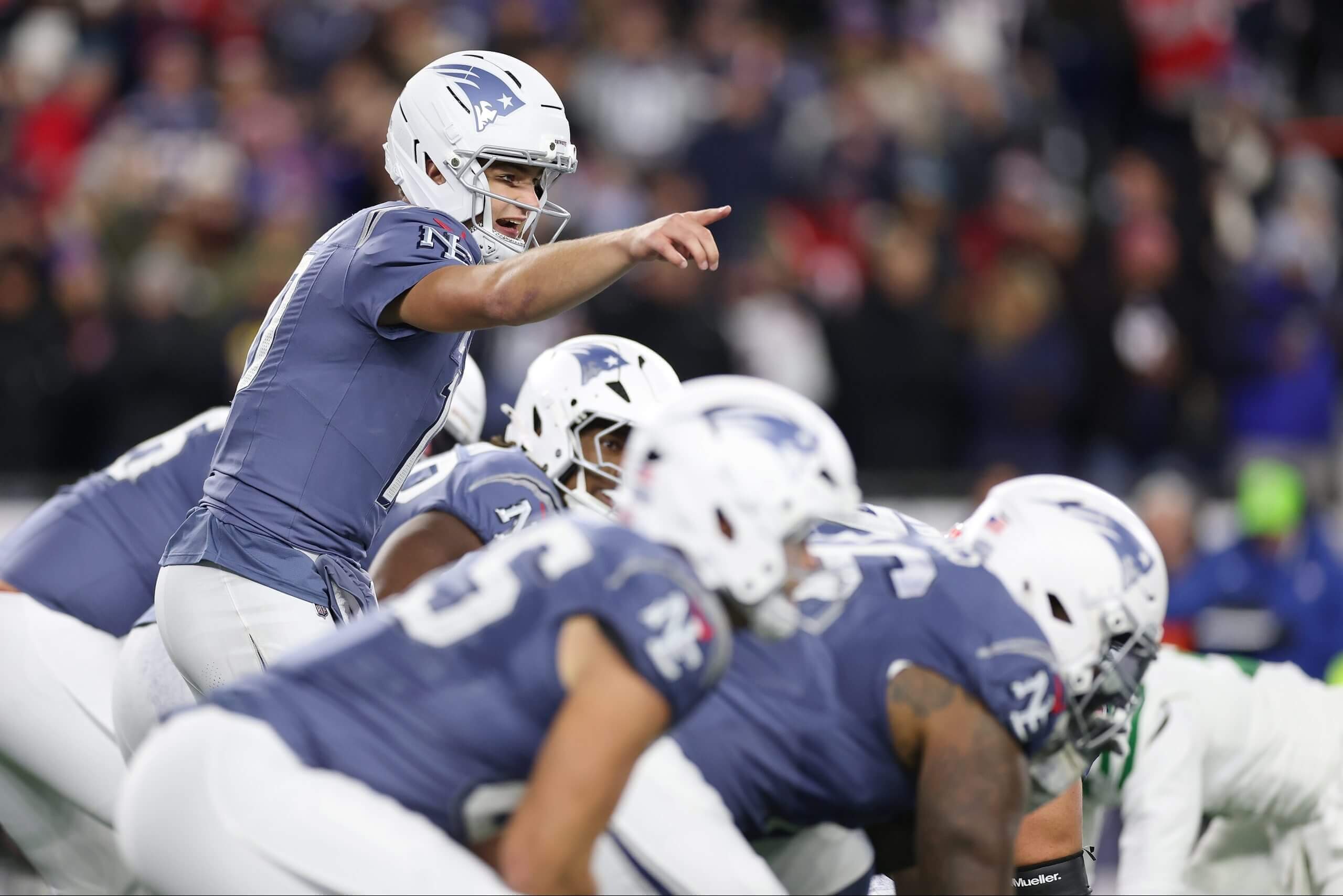
Understanding American football requires more than just a grasp of basic rules. The sport is rich in complexity, with various player positions each fulfilling unique roles. The National Football League (NFL) categorizes these positions into three main groups: offense, defense, and special teams. While these groups work together towards the common goal of winning, the responsibilities of each position can be markedly different.
Offensive Positions: The Core of Scoring
Offensive positions are primarily focused on scoring points. Among the most pivotal is the quarterback, who receives the ball from the center. This player can either hand it off to a running back, throw it to a wide receiver, or run with the ball themselves. This flexibility makes the quarterback a central figure in offensive strategy. In contrast, the offensive linemen, although part of the same group, do not aim to score. Instead, they concentrate on protecting the quarterback and creating pathways for running backs. Their role, crucial yet often overlooked, emphasizes the intricate dynamics within the offensive unit.
The variety within offensive positions extends further. Wide receivers, for instance, specialize in catching passes, while running backs focus on advancing the ball through running plays. Each position requires distinct skills and strategies, contributing to the overall effectiveness of the offense.
Defensive Roles: Stopping the Opposition
On the opposite side of the field, defensive positions are tasked with preventing the opposing team from scoring. Defensive players employ various tactics to stop offensive advances. Key positions include linebackers and cornerbacks, both of whom have specialized roles in tackling and coverage, respectively. Linebackers often play a versatile role, defending against both the run and pass, while cornerbacks focus on covering wide receivers to minimize successful catches.
Understanding these defensive roles is essential for comprehending the strategies employed during a game. Defensive backs, for instance, are critical in thwarting passing plays, creating a dynamic interplay between offense and defense.
Special teams, while often overshadowed, play a vital role in the game. This group is responsible for kickoffs, field goals, and punts. Special teams players include kickers, punters, and return specialists. Their contributions can significantly influence the game’s outcome, making their understanding essential for any football enthusiast.
In summary, American football’s complexity lies in its player positions and their unique responsibilities. While the ultimate aim is to score more points than the opponent, the journey to achieving that goal is filled with specialized roles that interconnect in fascinating ways. For those looking to deepen their understanding of the game, resources such as videos from the Tifo team offer valuable insights into the nuances of player positions and their impact on gameplay.
























