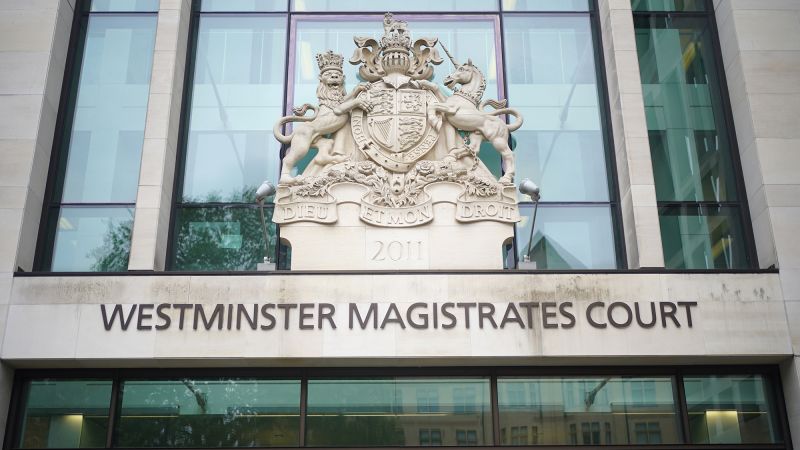
The UK government has announced plans to reform the jury trial system, aiming to address a significant backlog in the criminal justice system. Justice Secretary David Lammy revealed earlier this month that a new tier of jury-free courts will be established. This change affects cases involving defendants facing sentences of up to three years, including charges such as fraud, robbery, and drug offenses. Previously, these were tried in Crown Courts, which handle more serious cases.
The reforms will not alter the right to jury trials for serious offenses, including sexual assault, murder, and trafficking. Notably, the changes will not apply to Scotland or Northern Ireland, which maintain their own judicial systems. Approximately 80,000 criminal cases are currently pending in Crown Courts, a figure projected to rise to 100,000 by 2028, indicating a crisis within the UK justice system.
Victims of crime have expressed deep concerns regarding the backlog. According to government data, there are over 13,238 sexual offense cases waiting to be resolved, with some victims enduring waits of three to four years for their trials to commence. A report from the Victims’ Commissioner, released in October, highlights the frustrations many victims face, as illustrated by one individual who suffered psychological trauma from an assault.
“The police told me that the CPS (Crown Prosecution Service) were unlikely to prosecute an assault… because of the court backlog,” he stated. Another victim of stalking described living in fear as her trial was delayed, stating, “It had been three years of terror for me to live through.”
In support of the reforms, Sarah Sackman, Minister of State for Courts and Legal Services, emphasized the need for timely justice, telling the House of Commons that “justice delayed is justice denied.”
Concerns Over Fairness and Historical Rights
The proposed changes have sparked a significant backlash from various political leaders and legal experts. Robert Jenrick, Conservative MP and Shadow Justice Minister, condemned the reforms as a “disgrace” that undermines an “ancient right.” The right to a jury trial in the UK can be traced back to the Magna Carta in the 13th century, regarded as a cornerstone of the legal system. A recent YouGov poll revealed that 54% of the public prefer a jury to determine their verdict if accused of a crime.
Many, including Helena Kennedy KC from the House of Lords, have voiced skepticism about the decision to limit jury trials. She suggested that the motivation behind these reforms stems from a belief among some politicians that “ordinary folk are not up to it.” Kennedy argues that jury service is a fundamental responsibility in a democratic society, and the primary issue with the current system is a lack of funding.
Recent communications from 39 Labour Party backbenchers to Prime Minister Keir Starmer urged a reconsideration of the reforms, labeling them as ineffective in addressing the backlog. They proposed increasing the number of court sitting days, stating that around 130,000 sitting days are available, yet current restrictions limit them by 20,000 annually.
Critics argue that juries bring diverse perspectives to the courtroom, which can help mitigate bias. A 2017 review into the treatment of Black, Asian, and Minority Ethnic (BAME) individuals in the justice system found evidence of racial bias but concluded that jury trials yielded fairer outcomes than judge-only trials.
Calls for Additional Reforms
Despite the proposed changes, some advocates argue that the reforms should extend to addressing deeper systemic issues. Organizations such as Rape Crisis England & Wales have long highlighted the challenges within the current system. They recommend piloting juryless trials specifically for sexual offenses, a departure from the current plan that retains juries for such cases.
A report titled “Living in Limbo” from Rape Crisis outlines how the judicial process can retraumatize survivors, who often face numerous delays and postponements. Many survivors report being compelled to withdraw from cases due to the stress and prolonged timelines. One victim of rape shared, “Too stressful, (it) took too long. It ruined my life and I thought I’d lose my family if I carried on with the case.”
While the government hopes that the introduction of jury-free courts will alleviate some of the backlog, experts like Lachlan Stewart, a criminal barrister in Birmingham, caution that there is no substantial data to support the assertion that these reforms will enhance system efficiency.
As discussions continue, the future of jury trials in the UK remains uncertain, with advocates on both sides emphasizing the need for a justice system that is both fair and expedient.