




































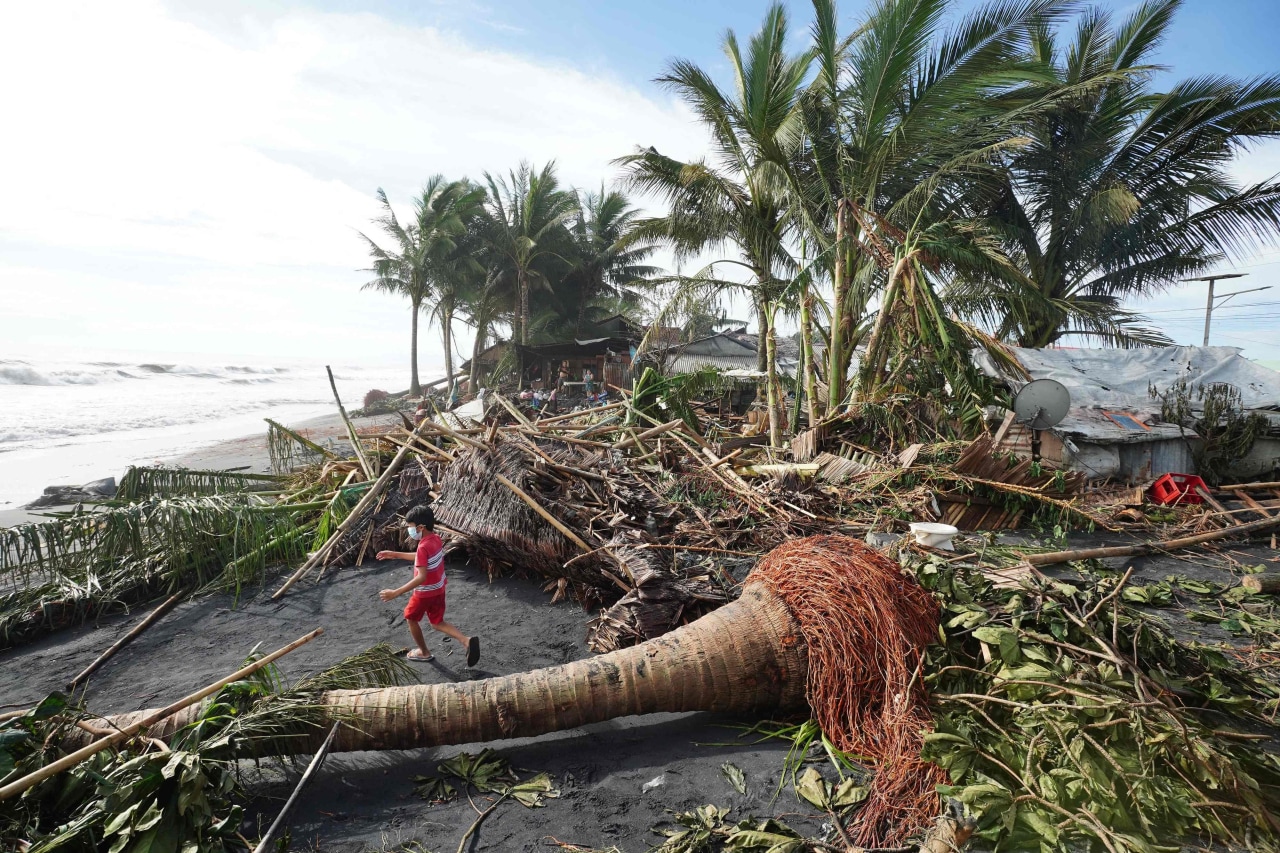
Survivors of the devastating Typhoon Haiyan in the Philippines have launched a lawsuit against oil giant Shell, claiming the company has played a significant role in climate change. The petitioners argue that Shell has been aware for decades that the burning of fossil fuels contributes to global warming, a contention the company denies.
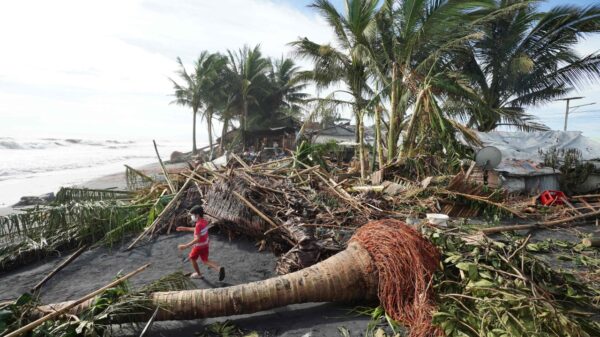
The lawsuit, filed in early October 2023, seeks accountability for Shell’s alleged contribution to the severe weather events that have increasingly affected the region. Typhoon Haiyan, which struck in November 2013, resulted in approximately 6,300 deaths and displaced millions of residents, marking one of the deadliest storms in Philippine history.
Claims of Responsibility
The claimants assert that Shell’s extensive fossil fuel operations have significantly impacted climate change, leading to more frequent and severe typhoons in the Philippines. They argue that the company has failed to take necessary measures to mitigate its environmental impact, despite knowing the potential consequences of its actions. The petitioners are demanding compensation for damages and a commitment from Shell to reduce its carbon emissions.
According to attorney Mary Ann Lucero, who represents the survivors, the case highlights the need for major corporations to be held accountable for their role in climate degradation. “Companies like Shell must recognize their impact on vulnerable communities and take responsibility for the harm caused,” Lucero stated.
Shell’s Response
In response to the lawsuit, Shell issued a statement asserting that it does not directly contribute to climate change and that it has made substantial investments in renewable energy and sustainability initiatives. The company emphasized its commitment to reducing greenhouse gas emissions and transitioning towards more sustainable energy sources.
“While we respect the views of the claimants, we believe that the allegations against us are unfounded,” said Shell spokesperson John McDonald. “We are actively working towards a lower-carbon future and are committed to addressing climate change.”
The lawsuit comes at a time when the impact of climate change is becoming more evident, with the Philippines frequently experiencing extreme weather events. According to the United Nations, the country ranks among the most vulnerable nations to climate-related disasters.
As the case progresses, it could set a significant precedent in the ongoing global debate over corporate responsibility in the context of climate change. Legal experts suggest that if the claimants succeed, it may open the door for similar lawsuits against other fossil fuel companies worldwide.
The outcome of this lawsuit could have far-reaching implications for the energy sector and the future of climate justice, especially for communities in developing nations that are disproportionately affected by climate change.