


































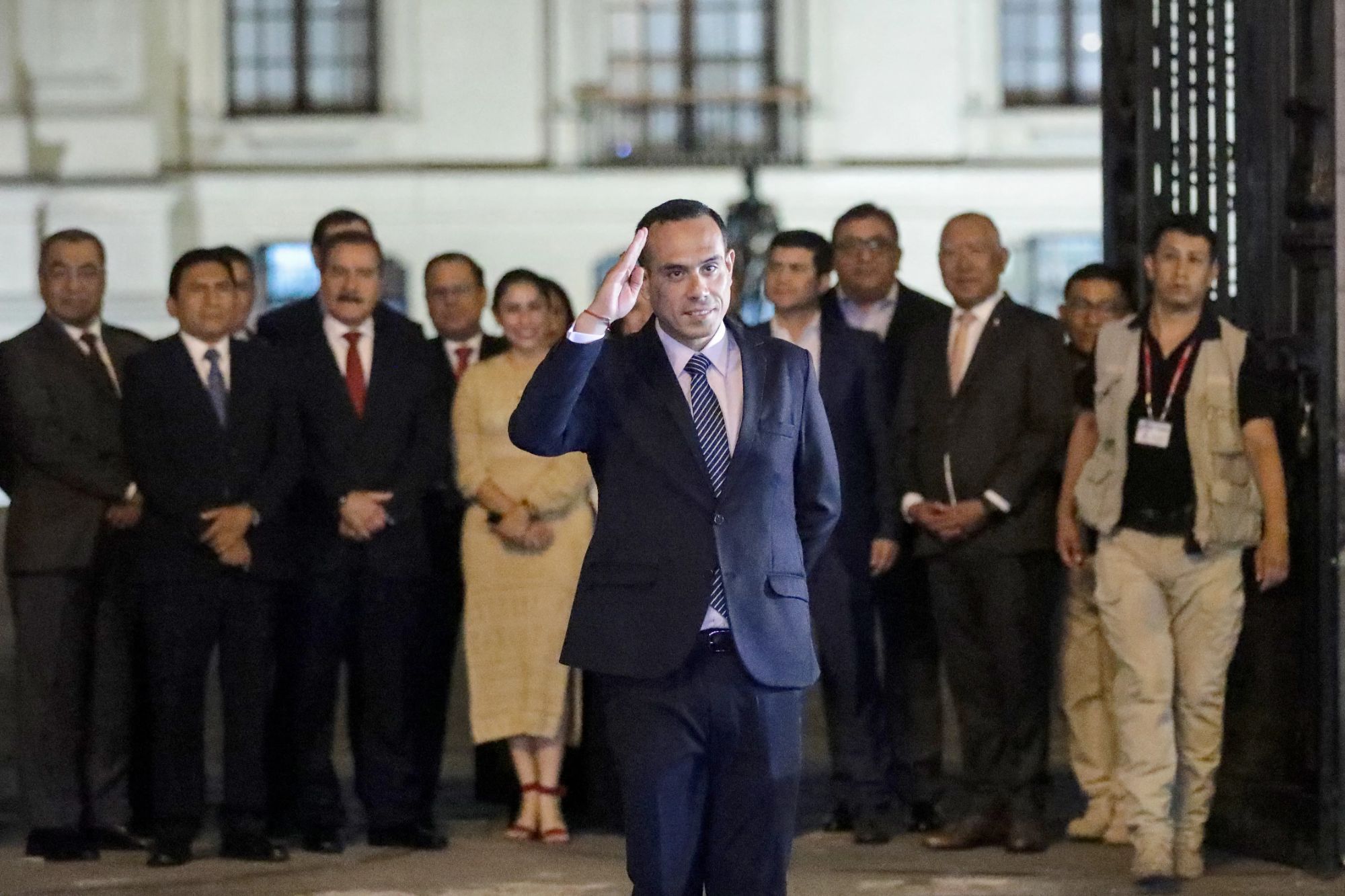
Peru’s Congress voted on Tuesday to oust President Jose Jeri just four months into his presidency due to a scandal involving undisclosed meetings with a Chinese businessman. The decision reflects ongoing political instability in the Andean nation, which has seen a series of leadership turnovers over the past decade. The vote concluded with 75 lawmakers supporting the removal, while 24 opposed it and three abstained.
In the wake of Jeri’s removal, Congress will now elect a new head of Congress who will simultaneously assume the presidency, marking the eighth presidential change in as many years. Jeri is the third consecutive leader to be ousted, highlighting the political class’s failure to address pressing issues such as crime and corruption. The cycle of brief administrations has left Peru vulnerable, with public discontent growing against a Congress perceived as ineffective.
Ruth Luque, one of the legislators who supported the censure, emphasized the need for a leader prioritizing public interest and security. She stated, “We ask to end this agony so we can truly create the transition citizens are hoping for. Not a transition with hidden interests, influence-peddling, secret meetings, and hooded figures. We don’t want that sort of transition.”
The situation in Peru remains precarious as another interim leader is set to take charge ahead of the scheduled elections on April 12, 2025. The ongoing volatility raises concerns regarding public trust in political institutions, especially as lawmakers maneuver for potential presidential candidacies. Michael Shifter, former president of the Inter-American Dialogue think tank in Washington, remarked, “It strikes me that there is no trace of high-mindedness here, only electoral calculations.”
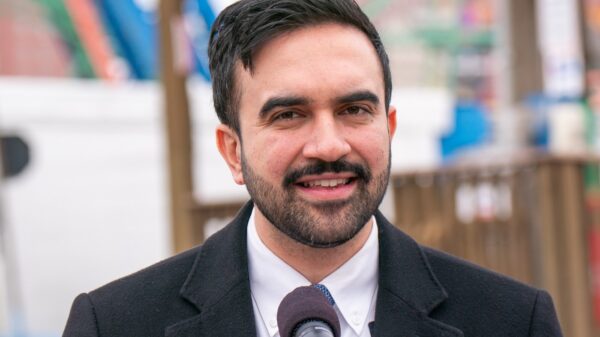
The scandal, dubbed “Chifagate” after a local term for Chinese restaurants, began last month when Jeri was filmed meeting with Chinese businessman Zhihua Yang late at night while disguised. Yang is known for owning stores and holding a concession for an energy project. This meeting was not publicly disclosed, leading to heightened scrutiny of Jeri’s actions.
Jeri ascended to the presidency in October 2023, following the removal of his predecessor, Dina Boluarte. Boluarte had faced significant public backlash amid corruption allegations and rising crime rates, which eroded support from her right-wing allies. With no vice president in place, Jeri, then head of Congress, succeeded her under interim status. The Congress opted to censure him instead of pursuing impeachment, which requires a supermajority of 87 votes in the 130-member legislature.
Following Jeri’s ousting, he affirmed his intention to respect the legislative outcome. The current head of Congress, Fernando Rospigliosi, is next in line for the presidency but has declined the role. Legislators must elect a new head of Congress who will automatically assume presidential responsibilities. Rospigliosi indicated that parties have until 18:00 local time to submit their candidates, with a vote planned for Wednesday.
This situation mirrors the ascent of Francisco Sagasti to the presidency in 2020, when he was selected by Congress during a severe political crisis following the brief presidency of Manuel Merino. The upcoming election in April is expected to feature a crowded field, with numerous candidates vying for public support. A recent poll by Ipsos revealed that a significant portion of the electorate remains undecided regarding their preferred candidates.
Despite the ongoing political turmoil, Peru’s economy has shown resilience. The mining-heavy economy reported a growth rate of 3.4% in 2025, coupled with a relatively low inflation rate of 1.7%. This economic stability suggests that the country may be insulated from some of the political shocks that have plagued its leadership.