





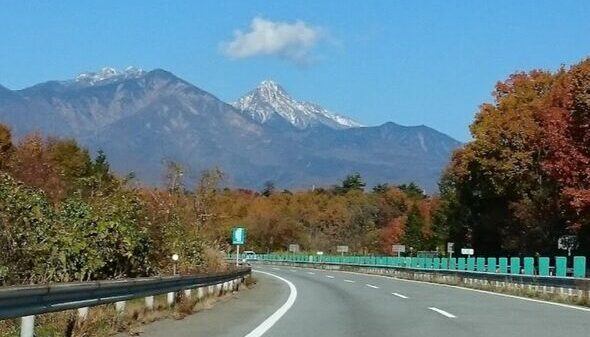





























Japan’s extensive transportation network features the impressive Chūō Expressway, a vital roadway that connects Tokyo and Nagoya. Stretching over 367 kilometres (228 miles), this major travel artery offers both stunning vistas and convenient access across the mountainous regions of Kanagawa, Yamanashi, Nagano, and Gifu. While visitors often opt for the country’s renowned public transport, particularly its high-speed bullet trains, the expressway presents an appealing option for those seeking a scenic road trip through Japan’s beautiful countryside.
The expressway winds through some of Japan’s most picturesque landscapes, providing breathtaking views of mountain peaks and scenic lakes, including Lake Sagami and Lake Suwa. Notably, the route allows for a convenient detour to Mount Fuji, Japan’s iconic peak. With a four-lane configuration over most of its length, the Chūō Expressway reaches an altitude of 1,015 metres above sea level, enhancing the driving experience with its impressive elevation.
Construction of the expressway began in the late 1960s and was completed in stages, ultimately costing an estimated ¥11 trillion (approximately £52 billion). To use the road, drivers must pay a fee that typically includes a ¥150 (71p) entry fee and an additional ¥25 (12p) for each kilometre driven.
Tragic Incident at Sasago Tunnel
Among the engineering highlights along the Chūō Expressway is the Sasago Tunnel, located approximately 80 kilometres (50 miles) west of Tokyo. This twin-bore tunnel, measuring around three miles in length, was the site of a tragic accident in December 2021. During this incident, parts of the tunnel’s roof collapsed, resulting in the deaths of nine individuals and injuries to two others. The victims were found trapped in three vehicles that were crushed by falling concrete panels, and a fire also erupted within the tunnel.
In response to the tragedy, a memorial service was held in December 2021, attended by around 50 people, including bereaved family members and officials from Nexco Central, the company responsible for managing the expressway. During the ceremony, Tadashi Nawata, President of Nexco Central, expressed deep condolences to the families affected by the incident. He stated, “We pledge to address the constant challenge of improving expressway safety,” reaffirming the company’s commitment to enhancing safety measures along this critical transportation route.
The Chūō Expressway remains a key component of Japan’s infrastructure, serving as a vital link between major cities while offering a remarkable journey through the country’s stunning landscapes. As travelers navigate this significant road, they are reminded of both the beauty and the responsibilities that come with such extensive engineering projects.