








































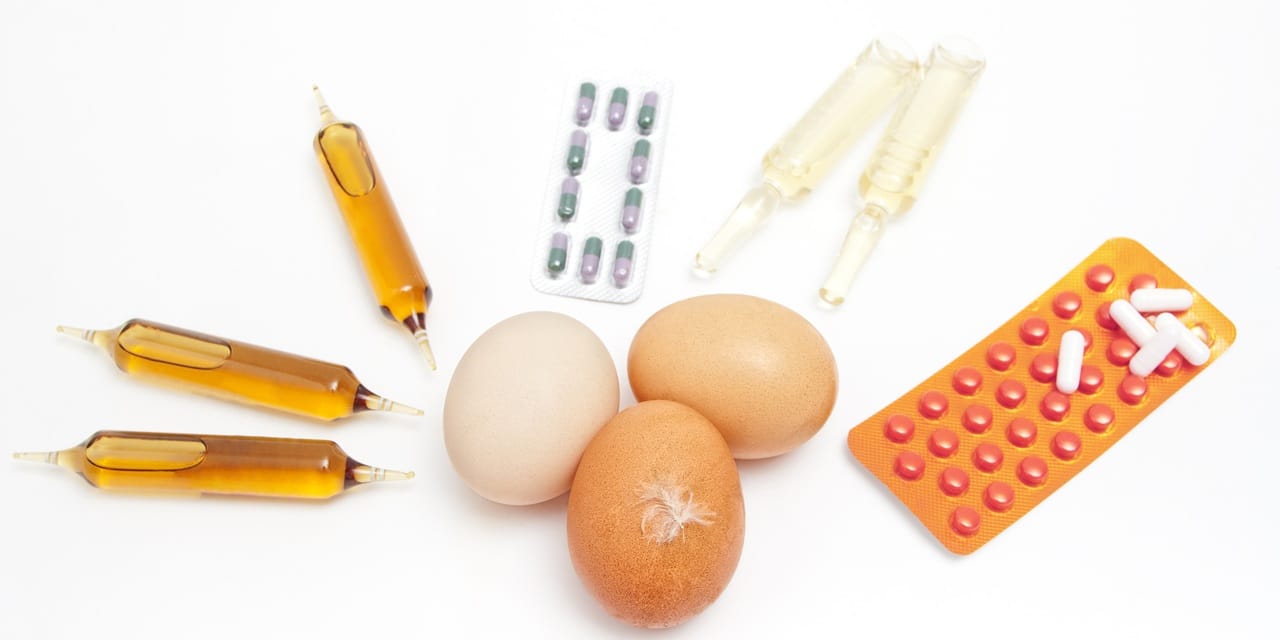
The European Union has reported a slight increase in the presence of veterinary drug residues in animal products, according to a recent study. The findings indicate a rise in the detection of both authorized and banned substances in food items such as meat, dairy products, eggs, and honey. This trend comes despite a decrease in the number of samples tested across the region.
The report, which was released in October 2023, highlights the ongoing challenges faced by food safety regulators. While the overall number of samples has declined, the detection of these residues raises concerns about the monitoring practices in place for veterinary medicines used in food production.
Overview of Findings
The analysis showed that residues of veterinary medicines were found in a variety of animal-derived food products. Specifically, the report detailed instances of both permissible and prohibited substances, emphasizing the need for stricter oversight. The EU has set regulatory frameworks to control the use of these medicines, yet the findings suggest that compliance may not be universal.
Among the substances detected, some were classified as harmful, prompting calls for enhanced testing and regulatory measures. The report signifies the importance of maintaining stringent safety standards to protect consumer health.
Data collected from various EU member states illustrates the diverse landscape of veterinary drug usage and its implications for food safety. Although there has been a commitment to improving monitoring procedures, the rise in residue levels complicates the efforts to ensure safe food supply chains.
Implications for Food Safety and Regulation
The implications of this report are significant for both consumers and producers. For consumers, increased residues could pose health risks, raising questions about the safety of the food they consume daily. For producers, the findings may lead to heightened scrutiny and potential regulatory changes that could impact farming practices.
The EU’s commitment to food safety necessitates ongoing vigilance. Stakeholders, including farmers, veterinarians, and food regulators, are urged to collaborate on best practices to minimize drug residues and ensure compliance with established regulations.
As the EU continues to address these challenges, the focus remains on safeguarding public health and maintaining confidence in food safety protocols. The findings from this report serve as a reminder of the complexities involved in managing the agricultural supply chain, underscoring the need for cooperation among all parties involved.
The conversation around veterinary drug residues will likely persist as the EU evaluates its regulatory frameworks and explores ways to enhance the safety of food products for consumers across the region.