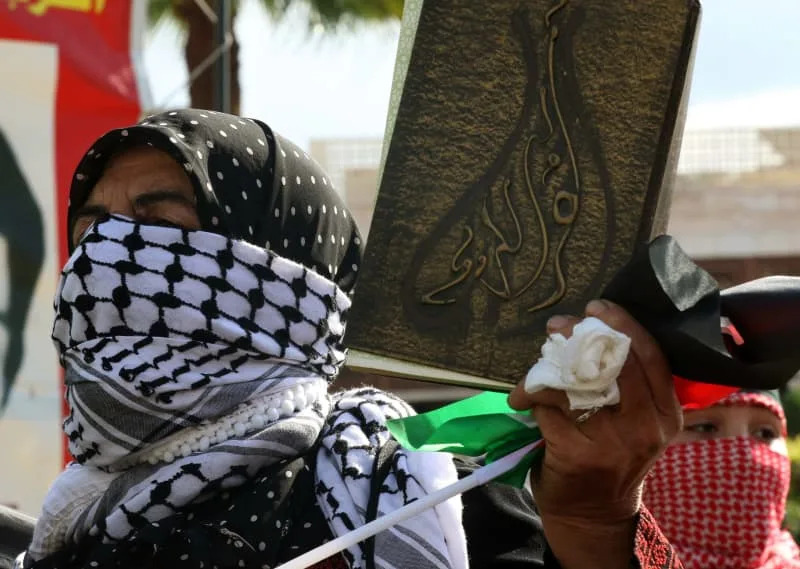
Recent developments in southern Syria have revealed significant links between members of the Al-Jamaa al-Islamiya terrorist group and key regional players, including Hamas, Hezbollah, and Iran. Detainees admitted during interrogations to receiving funding and support from these organizations to carry out attacks against Israel. This information was disclosed by a source to Israel’s public broadcaster, KAN News, on March 16, 2024.
In a related incident, the Israel Defense Forces (IDF) confirmed the killing of three Al-Jamaa al-Islamiya members in an overnight operation in Beit Jen. The operation, which took place on March 15, resulted in the deaths of thirteen individuals and injuries to twenty-four, according to Syrian state media. Following the IDF’s withdrawal, members of the terror group reportedly ambushed Israeli soldiers, escalating tensions in the region.
Escalating Regional Tensions
The situation in southern Syria has drawn attention to the complex dynamics involving multiple actors. Syrian President Ahmed al-Sharaa‘s intelligence services are believed to have orchestrated the ambush on IDF soldiers, as well as previous attacks on Druze communities. A senior Syrian intelligence official, Hamza al-Mustafa, stated that Israel could be miscalculating its actions by attempting to provoke a broader confrontation. He emphasized the need for Syria to focus on rebuilding after years of conflict, asserting, “We will not be a launching pad for threatening neighboring countries, but we will spare no means to confront and deter Israeli aggression.”
As the situation unfolds, the United States is reportedly considering deploying several envoys, including Morgan Ortagus, to help stabilize the region. Meanwhile, Israel maintains that it will not withdraw from strategic locations like Mount Hermon along the Israel-Syria border without a comprehensive agreement with Damascus.
Building Military Presence in Syria
In addition to Al-Jamaa al-Islamiya, Hamas is actively seeking to establish a more robust military presence in Syria. Reports indicate that members of the Damascus government are permitting this activity, viewing Syria as a suitable base for operations. Hamas is reportedly assisting Hezbollah‘s Radwan Force in southern Lebanon, which includes deploying operatives to enhance Hezbollah’s capabilities and rebuild its rocket supply.
Furthermore, the Palestinian Islamic Jihad (PIJ) has also been expanding its military presence in Syria. According to KAN, the PIJ is developing the capabilities of its military wing, the al-Quds Brigades, particularly in Palestinian refugee camps near Damascus. This increase in military activity underscores the growing collaboration between Hamas and Hezbollah as they bolster their operations in the region.
The interconnectedness of these groups signifies a concerning trend that may further destabilize the region. The implications of their alliances, particularly in light of recent admissions by Al-Jamaa al-Islamiya members, pose challenges for Israel, Syria, and the broader international community as they navigate this complex landscape.
The recent developments point to a potentially volatile situation that could have significant repercussions for all parties involved, highlighting the urgent need for diplomatic engagement and conflict resolution efforts.