


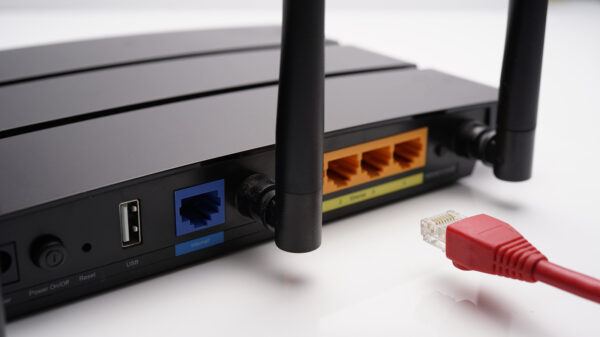





































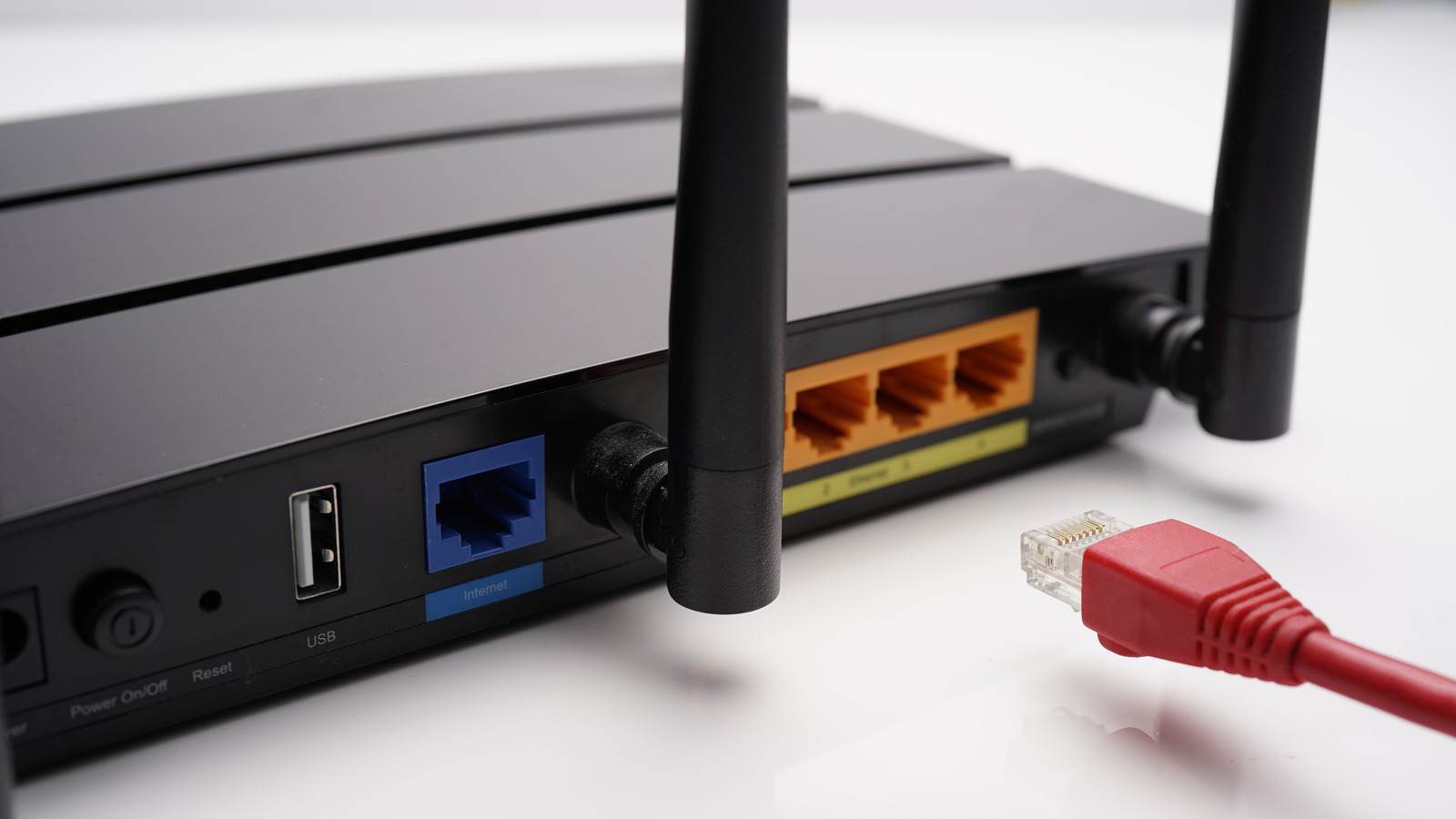
UPDATE: New reports confirm that the once ubiquitous 2.4 GHz router is now considered outdated for modern households, with significant implications for internet connectivity. As of today, experts warn that these devices, which first emerged in 1999, are struggling to meet the demands of today’s high-bandwidth environments.
Despite being a staple in four out of five households in the U.S., the 2.4 GHz router’s limited speed and increasing congestion are making it inadequate for contemporary needs. While the original standard offered speeds of up to 11 Mbps, modern iterations only manage a typical maximum of 100 Mbps. In stark contrast, users with 5 GHz routers can experience speeds up to 1 Gbps, and the latest 6 GHz Wi-Fi 7 can double that to 2 Gbps.
The growing reliance on multiple devices—like smart TVs, gaming consoles, and IoT gadgets—has compounded the problem, leading to slower connections and frustration for users. The crowded 2.4 GHz band is further strained by interference from everyday appliances, including microwaves and baby monitors, especially in densely populated areas.
Experts recommend that users still relying on 2.4 GHz routers consider upgrading to a dual-band model, such as the TP-Link Archer GE230, which supports both older and newer devices. This transition is crucial for maintaining a reliable internet connection, particularly as streaming, remote work, and gaming become increasingly part of daily life.
While the 2.4 GHz router has its advantages, such as better coverage and penetration through walls, it cannot handle the heavy lifting required in a modern network setup. Authorities advise that these older routers may still serve a purpose, particularly for less demanding IoT devices, but they should not be the primary connection point for households.
Additionally, using a 2.4 GHz router as a Wi-Fi extender for hard-to-reach areas could provide temporary relief. However, expecting it to perform as the main hub for high-demand activities is ill-advised.
As the digital landscape continues to evolve rapidly, households must adapt to ensure they are not left behind. Upgrading to modern technology is not just a matter of convenience; it’s essential for maintaining seamless connectivity in an increasingly connected world.
Stay tuned for more updates on this developing story as technology experts continue to evaluate the impact of outdated routers on everyday internet use.