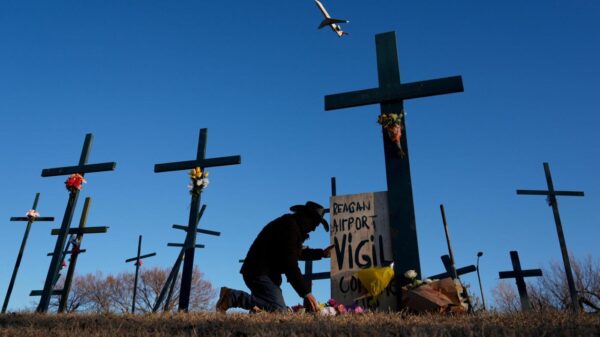

































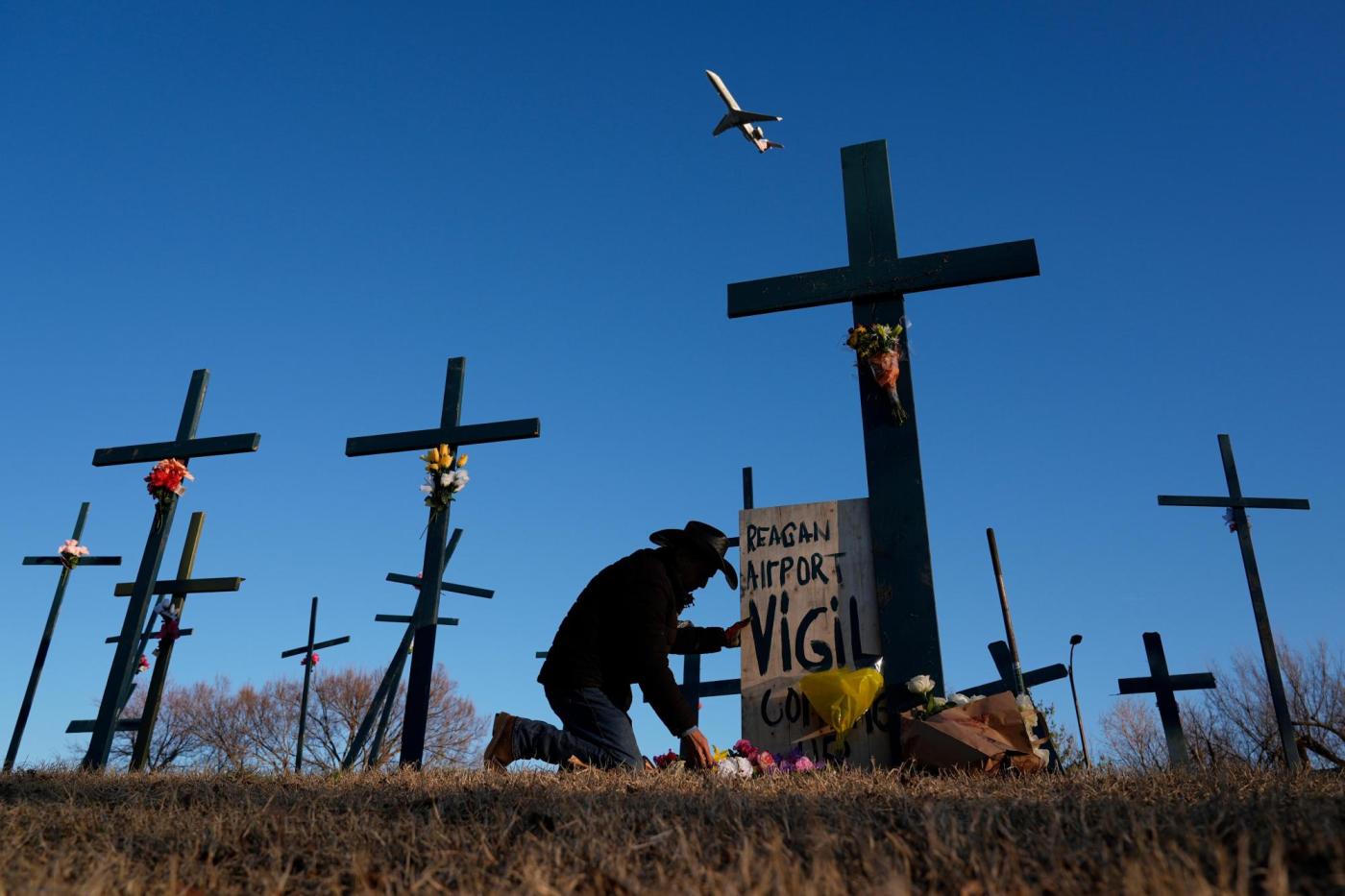
UPDATE: Senators from both parties are pushing for immediate changes to a crucial defense bill that threatens aviation safety, just days after a tragic collision over Washington, D.C., claimed 67 lives. The bill, which has advanced from the House, would allow military helicopters to operate without essential safety measures previously mandated after the deadly incident.
JUST IN: Investigators and families of the victims are sounding alarms, asserting that the legislation would reverse vital safety reforms established post-crash. Senator Maria Cantwell (D-WA) and Senator Ted Cruz (R-TX) are leading the charge with amendments aimed at removing the controversial provisions that permit military aircraft to bypass the ADS-B system, which was made mandatory by the Federal Aviation Administration (FAA) in March.
The NTSB Chairwoman Jennifer Homendy condemned the bill as a “significant safety setback,” warning it could invite a repeat of the January tragedy. “It represents an unacceptable risk to the flying public and to military crews,” she stated, emphasizing the bill’s potential to undermine hard-fought safety improvements.
The proposed legislation allows military helicopters to navigate through congested airspace without broadcasting their locations, a practice that contributed to the fatal incident. Homendy’s comments reflect concerns that the military lacks the expertise to assess risks adequately, especially after the Army and FAA failed to identify 85 close calls near Ronald Reagan National Airport in the years leading up to the crash.
Victims’ families, including Tim and Sheri Lilley, whose son was a first officer on the ill-fated flight, criticized the bill as a mere “window dressing fix.” They argue that it perpetuates the military’s ability to circumvent safety regulations without sufficient scrutiny.
The Senate is set to address the National Defense Authorization Act next week, but with Congress heading into a holiday break, time is of the essence. While the White House has not commented on the safety concerns, President Donald Trump has expressed a desire to sign the bill, which includes important military funding and a 3.8% pay raise for service members.
Senate Majority Leader John Thune has not yet responded to inquiries regarding potential amendments, raising questions about whether these crucial safety improvements will be integrated before the bill’s final passage.
As discussions continue, families and advocates are urging lawmakers to prioritize safety over expediency, emphasizing the need to honor the memory of those lost by ensuring stricter regulations for military flight operations. The stakes are high, and the clock is ticking for meaningful reform.