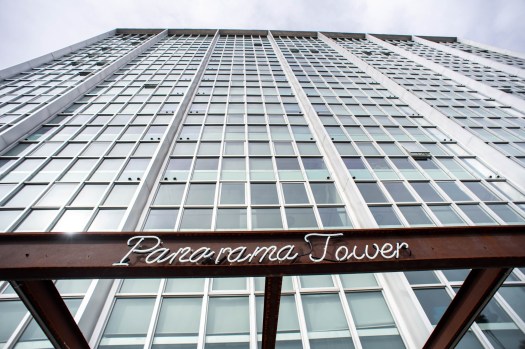
BREAKING: The Los Angeles City Council has just approved an urgent expansion of the city’s adaptive reuse policy, allowing empty office and commercial buildings to be transformed into much-needed housing. In a unanimous vote, officials adopted new ordinances that extend adaptive reuse regulations citywide for the first time in over two decades.
The landmark decision, made on September 25, 2023, repeals the outdated Adaptive Reuse Incentive Areas Specific Plan, which restricted conversions primarily to Downtown, Chinatown, Lincoln Heights, Hollywood, and Koreatown. The updated regulations are a crucial step as Los Angeles grapples with a housing crisis intensified by the COVID-19 pandemic.
According to the City Planning Department, the revised policy aims to facilitate the conversion of older, underused commercial buildings into residential units. The previous Adaptive Reuse Ordinance (ARO) successfully generated more than 12,000 new homes in Downtown alone. The new measures broaden eligibility for adaptive reuse across the city and introduce incentives that encourage affordable housing developments.
The updated policy allows for a wider range of building types and ages to qualify for conversion. It streamlines the approval process, enabling projects to be approved by right, while also establishing design standards to enhance ground-floor uses and improve public spaces.
City officials emphasize that this expansion is a key component of the Citywide Housing Incentive Program, a comprehensive approach consisting of six strategies aimed at boosting housing production. This adaptive reuse update represents the first significant advancement under this initiative, signaling a robust commitment to meeting state-mandated housing goals.
With the growing demand for housing and the rising number of vacant office spaces, this policy change is expected to have an immediate impact on the community, providing homes for countless residents. The urgency of this development could not be clearer: Los Angeles is taking crucial steps to transform its urban landscape and address the pressing housing shortage.
As this policy rolls out, residents and developers alike are watching closely. The focus now shifts to how quickly these conversions can begin and the tangible effects they will have on the city’s housing market and community well-being.
Stay tuned for more updates as Los Angeles moves forward with this critical housing initiative.