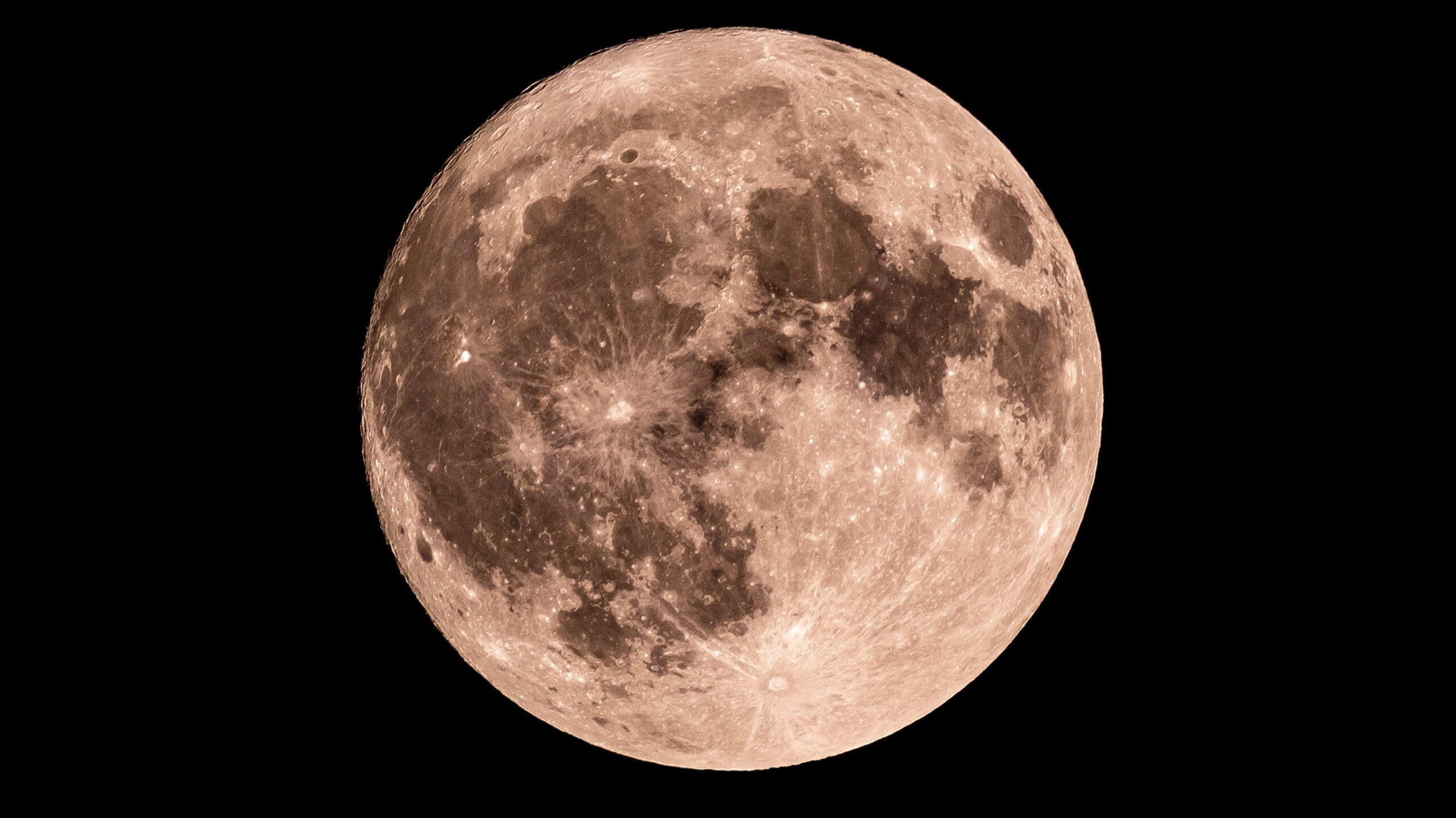
As of January 4, the Moon is in its waning gibbous phase, with approximately 98.6% of its surface illuminated. This phase follows the recent full moon and signifies a gradual reduction in visible light as the lunar cycle progresses toward the next new moon.
Understanding the Lunar Cycle
The lunar cycle, which spans roughly 29.5 days, is a captivating journey of the Moon as it orbits the Earth. According to NASA, this cycle comprises eight distinct phases, each marked by varying amounts of sunlight illuminating the Moon’s surface.
The phases include:
– **New Moon**: The Moon is positioned between the Earth and the Sun, rendering it invisible.
– **Waxing Crescent**: A slender crescent of light appears on the right side.
– **First Quarter**: Half of the Moon is illuminated on the right side, creating the classic half-moon appearance.
– **Waxing Gibbous**: More than half of the Moon is lit, yet it has not reached full illumination.
– **Full Moon**: The entire face of the Moon is visible and brightly illuminated.
– **Waning Gibbous**: The Moon begins to lose light from the right side.
– **Third Quarter (or Last Quarter)**: Another half-moon phase, but now the left side is illuminated.
– **Waning Crescent**: A thin sliver of light remains on the left side before the Moon returns to darkness.
What to Expect Next
Looking ahead, the next full moon is set to occur on February 1. This upcoming event will bring the Moon back to its fully illuminated state, captivating skywatchers once again.
For those interested in observing celestial events, resources such as The Sky Live offer real-time information about the Moon’s phases and visibility. This makes it easier for enthusiasts and casual observers alike to plan their stargazing activities.
As the Moon continues its journey through the night sky, its changing appearance serves as a reminder of the dynamic nature of our solar system. Understanding these phases not only enhances our appreciation of the Moon but also connects us to the broader rhythms of nature.