



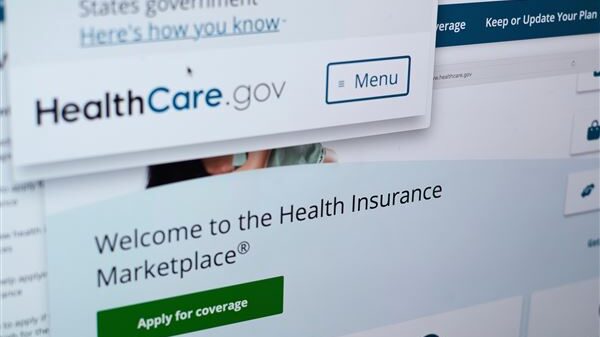
































The American health care system continues to face significant criticism for its lack of equity and fairness. Despite ongoing discussions about reform, the structure of health care in the United States remains markedly different from that of many western democracies, where comprehensive systems provide more equitable access to medical services. This disparity has left millions of Americans struggling to obtain necessary health care.
Efforts to reform the health care system in the United States have encountered strong resistance, particularly from the Republican Party. Historically, many proposals aimed at overhauling the current system have been met with vehement opposition. The party has often favored maintaining the existing framework, which critics argue disproportionately benefits health insurance companies and the pharmaceutical industry.
The current model has been described as “archaic,” with a reliance on private insurance leading to a wide gap in access to health care. According to recent studies, approximately 30 million Americans remain uninsured, often facing dire consequences when seeking medical attention. The burden of high costs and the complexities of navigating insurance coverage can leave vulnerable populations without the care they desperately need.
Challenges in Access and Affordability
Many individuals report that the high cost of health care in the United States is a major barrier to accessing necessary services. A report from the Kaiser Family Foundation indicates that nearly 45% of adults have delayed or avoided medical care due to costs. This statistic underscores the financial strain that health care can impose on families, particularly those who are uninsured or underinsured.
The pharmaceutical industry’s role in this landscape is also under scrutiny, as rising drug prices contribute to the overall expense of health care. A study published in *Health Affairs* highlighted that Americans pay significantly more for prescription medications than citizens in other developed nations. This trend raises serious questions about the sustainability of the current system and its ability to meet the needs of the population.
Advocates for reform argue that a shift towards a more equitable health care system is necessary to ensure that all individuals, regardless of their financial situation, have access to quality care. The experiences of other western democracies, which have successfully implemented comprehensive health care systems, serve as potential models for change.
As discussions continue, the future of health care in the United States remains uncertain. The ongoing debate highlights a fundamental question: how can the nation reconcile the profit-driven motives of the health care industry with the urgent need for accessible and affordable health care for all its citizens?
In conclusion, the American health care system is at a crossroads. With millions of individuals still lacking adequate access to health care, the call for reform has never been more critical. Policymakers and citizens alike must consider the implications of maintaining the status quo versus pursuing a more inclusive approach to health care that prioritizes the well-being of all Americans.