The Miami Heat franchise stands at a crossroads as it considers a potential shift in its roster dynamics. The emergence of promising players like Kel’el Ware, Kasparas Jakucionis, and Jaime Jaquez Jr. signals a movement toward a new generation, leading to speculation about the future roles of established players such as Bam Adebayo and Tyler Herro. As the team navigates this transition, the focus may need to shift towards maximizing the contributions of its younger talent.
In a recent discussion, a fan expressed concerns that the current roster has reached its limit, citing the struggles of veterans like Norman Powell and Andrew Wiggins. The fan pointed out that Powell’s shooting inefficiencies have led to his departure from three teams, questioning the viability of continuing with the current lineup. They argued for a more aggressive approach to embrace the next phase of the Heat’s evolution.
While the sentiment for change is palpable, it is important to note that such transitions can be nuanced. According to Ira Winderman, a sports columnist, the Heat could strategically move on from players like Wiggins and Powell at the February trade deadline, while still maintaining a competitive core. This allows the franchise to blend experience with the fresh energy of its new players.
Erik Spoelstra, the Heat’s head coach, appears to be responding to this sentiment by integrating Ware into the starting lineup and finding valuable minutes for Jakucionis. This pivot indicates a conscious effort to strike a balance between the existing talent and the promising newcomers, suggesting that the franchise is indeed preparing for a future beyond its current roster.
As the conversation about the Heat’s direction continues, questions arise about the role of younger players like Jaime Jaquez Jr.. A fan criticized Jaquez for disrupting team momentum with his aggressive playstyle upon entering games. In defense, Winderman argued that Jaquez, in his role as a sixth man, is intended to inject energy and change the pace, which he has succeeded in doing during the season.
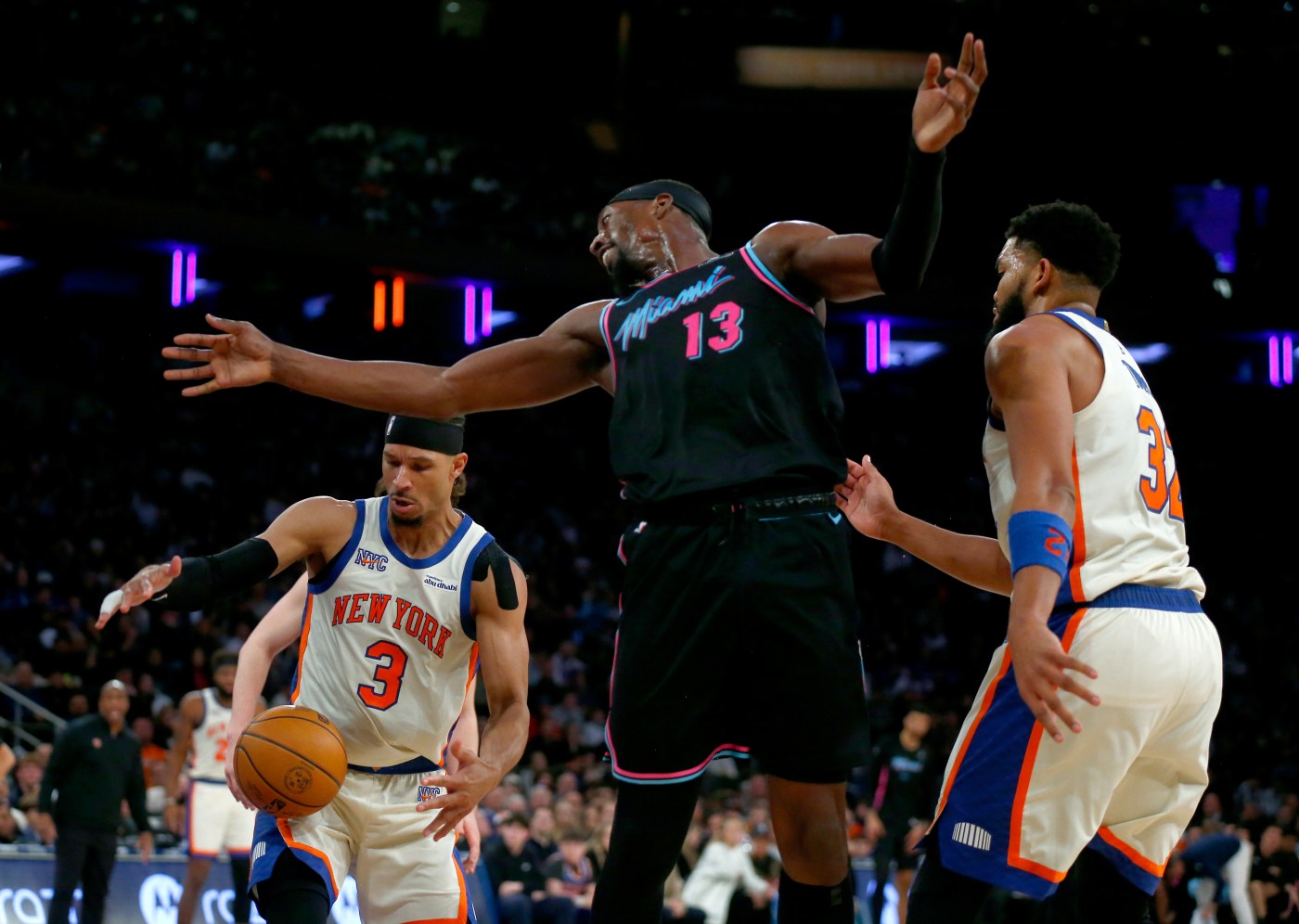
Another point of contention involves Adebayo’s positioning on the court. Some fans believe he would be more effective playing closer to the basket, particularly as his three-point shooting has declined to just 32% this season. This strategy aligns with the Heat’s offensive system, which utilizes a “wheel” offense that sometimes places Adebayo at the three-point line to create spacing.
The situation highlights the ongoing adjustments within the team as it strives for success in a highly competitive league. The balance between honoring past achievements and embracing the potential of rising stars is delicate, but essential for the long-term success of the Miami Heat. As the season progresses, the franchise’s decisions will be critical in shaping its identity for years to come.