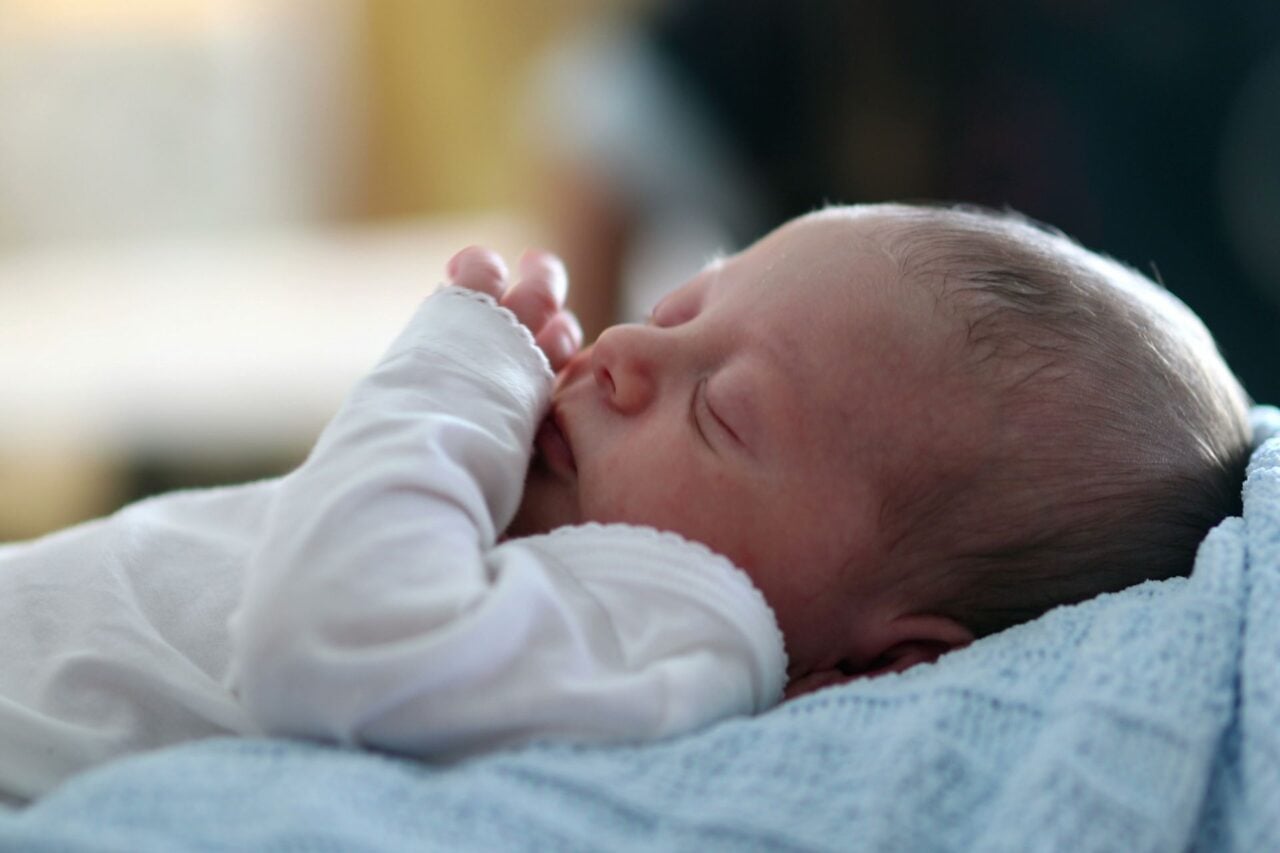
A rising trend among parents in the United States is causing concern among healthcare professionals: an increasing number of newborns are not receiving the vital vitamin K injection shortly after birth. Research from The Children’s Hospital of Philadelphia (CHOP) reveals that this refusal could put infants at risk for serious health complications, including a potentially life-threatening condition known as vitamin K deficiency bleeding (VKDB).
The study, which analyzed medical records of approximately 5 million newborns from 2017 to 2024, found a significant increase in the percentage of infants not receiving the intramuscular dose of vitamin K. The rate rose from 2.92% in 2017 to 5.18% in 2024, marking a relative increase of 77% over the study period.
Health Risks Associated with Vitamin K Deficiency
Vitamin K plays a crucial role in blood clotting, and newborns are born with relatively low levels of this essential nutrient. Although they can obtain some vitamin K from their diet and gut bacteria as they grow, it typically takes several months for them to reach adequate levels. Breast milk alone does not provide sufficient vitamin K, leaving infants vulnerable to VKDB, which can lead to serious consequences such as brain hemorrhages and strokes.
Since the 1961 recommendation by the American Academy of Pediatrics that all newborns should receive a vitamin K shot at birth, the incidence of VKDB has drastically decreased. Despite this, the recent rise in refusals suggests a growing perception among some parents that the injection is unnecessary.
Lead author and neonatologist Kristan Scott expressed concern about this trend, stating, “Unfortunately, opting out of vitamin K for a newborn is akin to gambling with a child’s health, forgoing a straightforward and safe measure that effectively prevents severe complications.”
Potential Influences on Parental Decisions
The reasons behind this rising refusal rate remain unclear, but researchers speculate that factors such as the COVID-19 pandemic may contribute to the trend. The pandemic has fueled mistrust in public health authorities, which could influence parents’ decisions regarding medical interventions for their children.
While there have been no recent changes in medical guidelines, the authors noted that the refusal rates began to increase as early as 2019, suggesting that some parents may be conflating vitamin K injections with vaccines. The overlap between those who deny the efficacy of vitamin K and individuals who oppose vaccinations may also play a role in the rising trend.
This situation highlights a larger issue concerning the health of infants in the United States. Recently, an advisory panel, reassembled by health secretary Robert F. Kennedy Jr., voted against a long-standing recommendation for universal hepatitis B vaccination at birth. These developments raise alarm over the growing hesitancy among parents towards established medical practices that protect the health of their children.
As the rates of vitamin K refusal continue to climb, the medical community is calling for greater awareness and education for parents about the importance of this simple yet effective intervention.