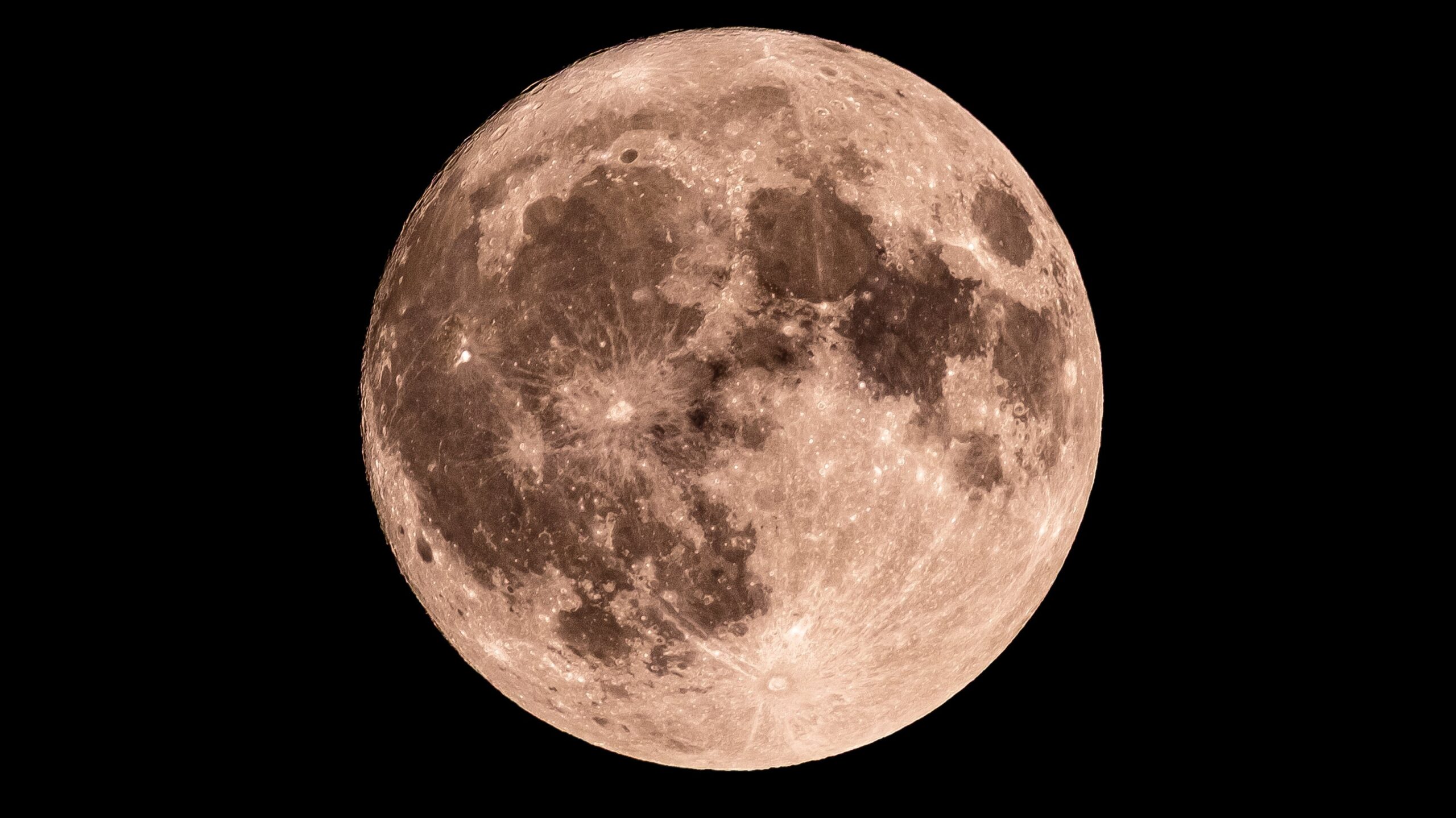
On January 18, 2024, the sky will be marked by the New Moon, a phase where the Moon is positioned directly between the Earth and the Sun, rendering it invisible to observers on the ground. This marks the final day of the current lunar cycle, setting the stage for the Moon to gradually increase in brightness over the coming nights, culminating in the Full Moon on February 1, 2024.
According to NASA’s Daily Moon Guide, there will be 0% illumination from the Moon tonight, which means that it will be impossible to spot any lunar features. As the lunar cycle progresses, the Moon will transition through its phases, becoming more visible each evening until it reaches fullness.
Understanding Moon Phases
The lunar cycle lasts approximately 29.5 days, during which the Moon completes one full orbit around the Earth. Throughout this cycle, the Moon experiences eight distinct phases, each defined by the varying amounts of sunlight it reflects. The phases include:
– **New Moon**: The Moon is completely dark, positioned between the Earth and the Sun.
– **Waxing Crescent**: A small crescent of light emerges on the right side.
– **First Quarter**: Half of the Moon is illuminated on the right, resembling a half-Moon.
– **Waxing Gibbous**: More than half is lit, approaching fullness.
– **Full Moon**: The entire face of the Moon is visible and fully illuminated.
– **Waning Gibbous**: The light begins to decrease on the right side.
– **Third Quarter (or Last Quarter)**: Another half-Moon, but now the left side is illuminated.
– **Waning Crescent**: A thin sliver of light remains on the left before it returns to the New Moon phase.
The phases are a result of the Moon’s orbit around Earth, which ensures that the same side always faces our planet while the sunlight varies according to its position.
As the New Moon phase concludes, stargazers can look forward to the gradual illumination of the Moon in the nights ahead. This celestial event not only provides a stunning visual experience but also serves as a reminder of the intricate dynamics of our solar system.