






































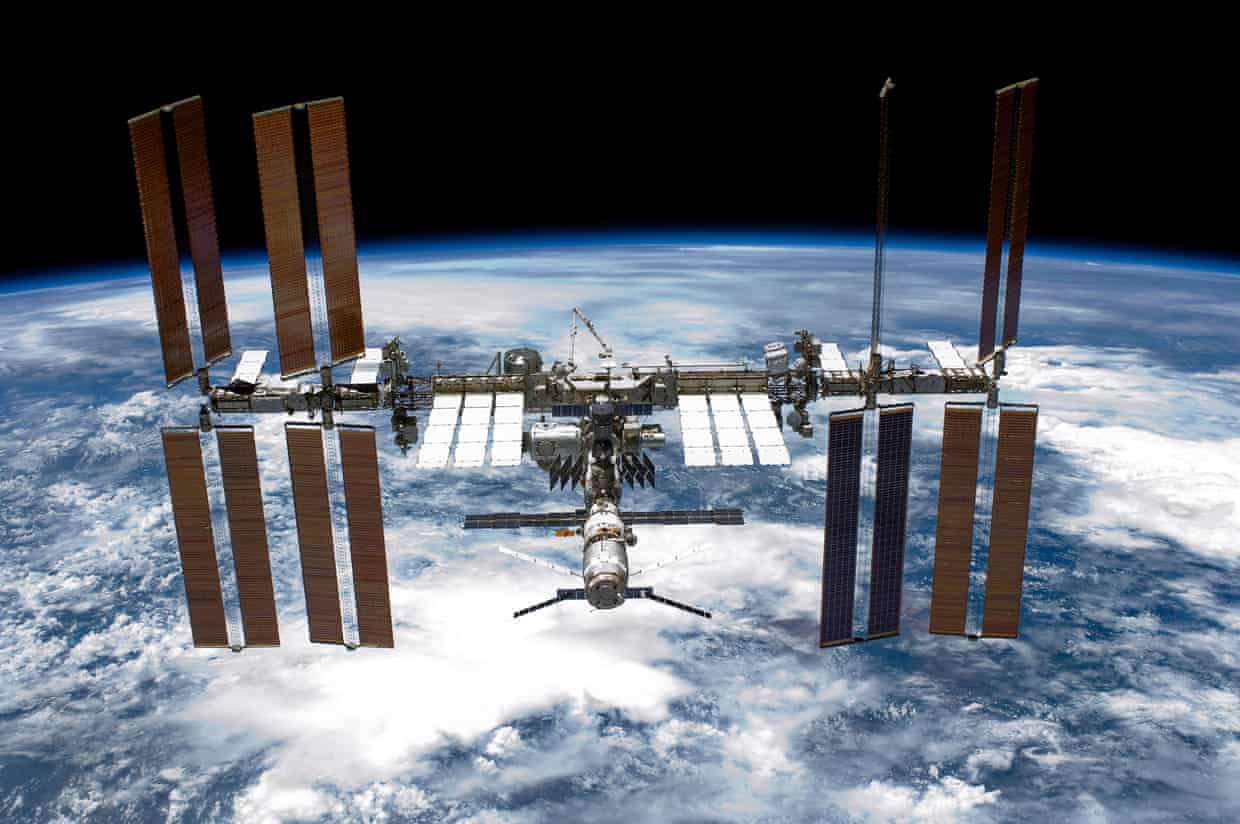
NASA has announced plans for its first medical evacuation from the International Space Station (ISS) following a serious health issue affecting one of the astronauts. The evacuation is scheduled to begin no earlier than 17:00 EST on Wednesday, January 14, 2024, with the aim of landing near California early on Thursday, January 15, 2024, contingent on weather and recovery conditions.
During a briefing on Thursday, NASA Administrator Jared Isaacman explained that the decision to expedite the departure of Crew-11 was made after consultations with Chief Health and Medical Officer Dr. James Polk and other agency leaders. “It’s in the best interest of our astronauts to return Crew-11 ahead of their planned departure,” Isaacman stated.
This incident marks the first medical evacuation in the 25-year history of the ISS. The astronaut involved has been reported to have a serious but undisclosed medical condition. Consequently, NASA has also canceled its first spacewalk of the year.
Isaacman emphasized the seriousness of the situation, stating, “This was a serious medical condition. That is why we’re pursuing this path.” While the agency did not disclose the identity of the astronaut or the specific medical issue, privacy concerns were cited as the reason for this lack of transparency.
Dr. Polk reassured that the astronaut is stable, clarifying, “This is not an emergent evacuation. We’re not immediately disembarking and getting the astronaut down, but it leaves that lingering risk and lingering question as to what that diagnosis is, and that means there is some lingering risk for that astronaut onboard.”
Crew-11 is led by Zena Cardman, the U.S. commander, and includes NASA astronaut Mike Fincke, Kimiya Yui from Japan, and Oleg Platonov from Russia. Three other astronauts, including Chris Williams, Sergei Mikayev, and Sergei Kud-Sverchkov, will remain at the station to continue their work.
NASA is planning to decommission the aging ISS, which has become expensive to operate, by late 2030 or early 2031. This development underscores the ongoing challenges and risks associated with human spaceflight, particularly in managing health issues in the unique environment of space.