







































A medical emergency forced the evacuation of NASA’s Crew-11 astronauts, who safely returned to Earth early on Thursday, March 14, 2024. Their departure from the International Space Station (ISS) has left the facility temporarily staffed by just three astronauts. As a result, the operational capacity of the ISS is significantly impacted until the arrival of the next crew in February 2024.
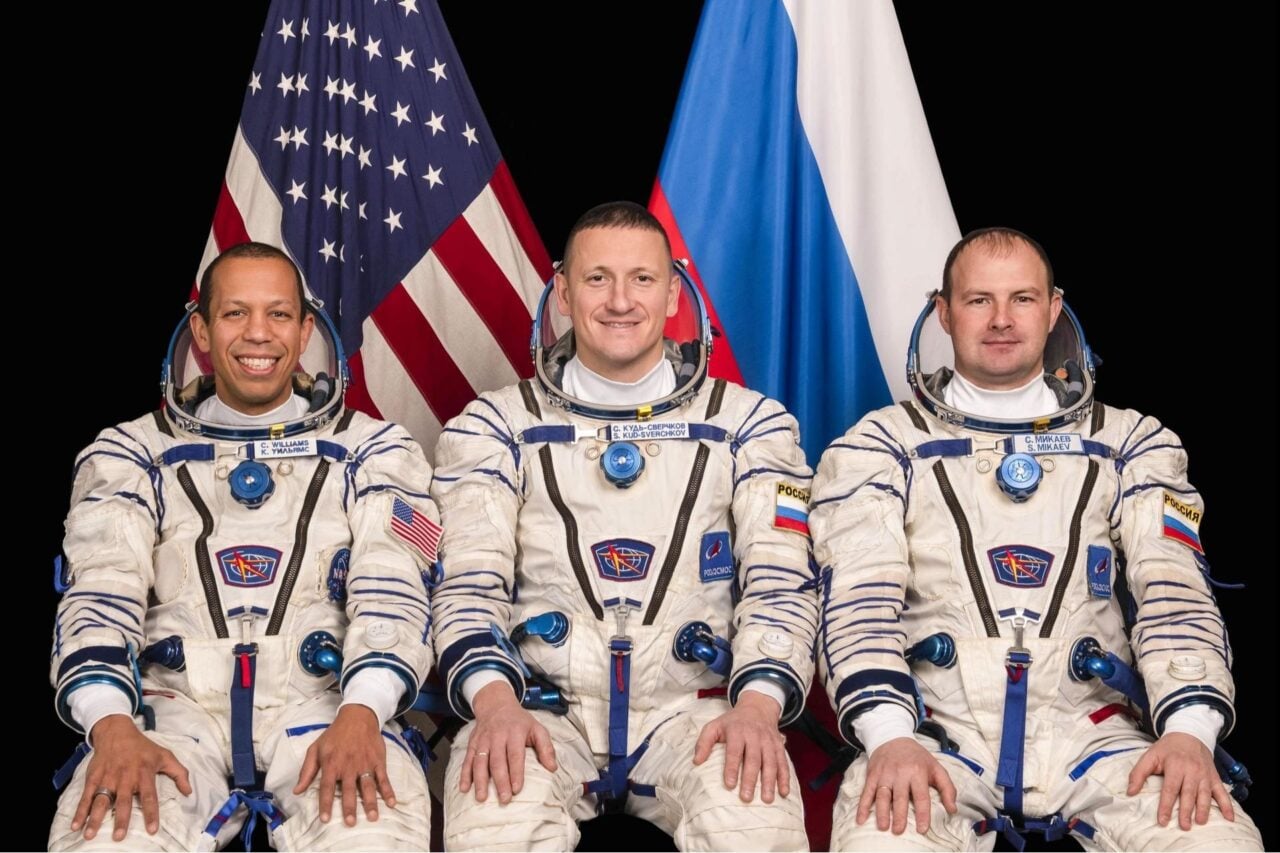
On March 11, Mike Fincke, the Crew-11 pilot, officially transferred command of the ISS to Sergey Kud-Sverchkov, a cosmonaut from Roscosmos. Following this transition, Fincke and his three crewmates departed the station, leaving Kud-Sverchkov, cosmonaut Sergei Mikaev, and NASA astronaut Chris Williams as the remaining personnel aboard. While three astronauts is the minimum required to maintain the station’s operations, their reduced numbers will limit research activities and day-to-day operations.
Impact of Reduced Crew on ISS Operations
The ISS has maintained continuous human presence for 25 years, with crew sizes typically ranging from three to seven to maximize research and maintenance tasks. During its first nine years, the ISS operated with a nominal crew of just three, but as missions evolved, the crew size increased to enhance operational efficiency. The unexpected medical evacuation of Crew-11 has necessitated a shift in focus for the remaining astronauts.
Kud-Sverchkov, Mikaev, and Williams will now concentrate on essential maintenance and crucial station operations, leaving less time for scientific research. They will also avoid any non-essential spacewalks, as typically two crew members conduct these operations while the others provide support from inside the ISS. Williams is tasked with managing the NASA segment, while his Russian counterparts oversee the Roscosmos side.
Amit Kshatriya, NASA Associate Administrator, expressed confidence in Williams’s capabilities during a press conference. Kshatriya noted, “Chris is trained to do every task that we would ask him to do on the vehicle.” He also reassured that both ground control teams and Williams’s Russian crewmates are available for assistance. If everything proceeds as scheduled, Crew-12 will arrive by February 2024, ensuring that the three remaining astronauts will only be alone on the ISS for about a month.
Medical Evaluations and Future Considerations
With Crew-11’s return, all four astronauts are undergoing routine medical evaluations to begin their rehabilitation process. Extended periods in low gravity can lead to muscular atrophy, bone density loss, and fluid shifts, necessitating weeks of recovery once back on Earth. The astronaut whose medical condition prompted the Crew-11 evacuation will receive diagnostic care that could not be provided in space. NASA has not disclosed the identity of the affected astronaut or detailed information about their condition, but has confirmed that they are stable.
This incident marks the first medical evacuation in the 25-year history of the ISS. NASA’s successful and timely response illustrates the agency’s preparedness for unexpected challenges, as well as the resilience of the astronauts aboard the station. Officials have expressed utmost confidence in the capabilities of Williams, Kud-Sverchkov, and Mikaev to maintain the ISS’s operations while they await the arrival of Crew-12.
In summary, while the ISS is currently operating with a reduced crew, the remaining astronauts are equipped to manage essential functions. The situation highlights both the complexities of long-term space missions and the necessity of robust support systems, both in space and on the ground.