






































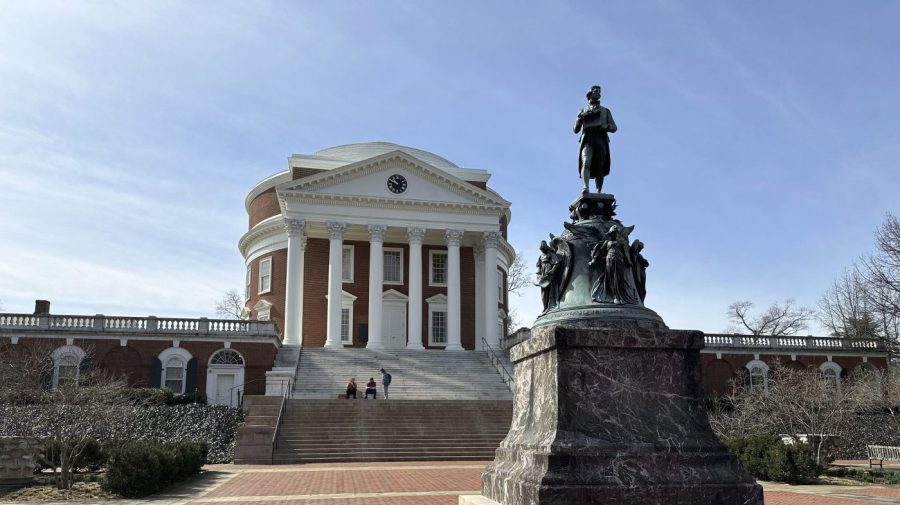
Top officials from the University of Virginia’s Board of Visitors have resigned, following pressure from the state’s incoming Governor, Abigail Spanberger. Reports from The New York Times indicate that Rachel Sheridan, the board’s chair, along with board member Porter Wilkinson and prominent donor Paul Manning, have stepped down just ahead of Spanberger’s inauguration.
The resignations were reportedly influenced by Spanberger’s call for changes within the board, which she believes should better reflect the values and priorities of the university community. Sheridan, who has led the board since 2020, expressed her commitment to ensuring a smooth transition for the incoming administration.
Board member Wilkinson also emphasized the need for the board to adapt to the evolving landscape of higher education in Virginia. “The university is at a critical juncture,” he stated. “It is essential that we align ourselves with the new administration’s vision for the future.” These resignations mark a significant shift in the governance of the university, as Spanberger aims to implement her educational policies.
The Board of Visitors plays a crucial role in overseeing the institution’s strategic direction, budget, and academic standards. The departures of these influential figures could pave the way for new appointments that align with Spanberger’s agenda. With the new governor taking office, many stakeholders are keenly watching how the leadership changes will affect the university’s operations and its relationship with the state government.
As the university prepares for this transition, members of the academic community and students alike have expressed mixed feelings about the resignations. Some view the changes as an opportunity for rejuvenation and alignment with progressive values, while others are concerned about the potential for instability during this transition period.
The situation at the University of Virginia reflects broader trends in governance at educational institutions, where political pressures can significantly impact leadership dynamics. The outcome of these resignations may serve as a case study for other universities facing similar challenges in navigating political landscapes.
Looking ahead, it remains to be seen how Spanberger will shape the board’s future and what new appointments will follow. As this story develops, the focus will likely remain on the implications of these changes for both the university and the state of Virginia.