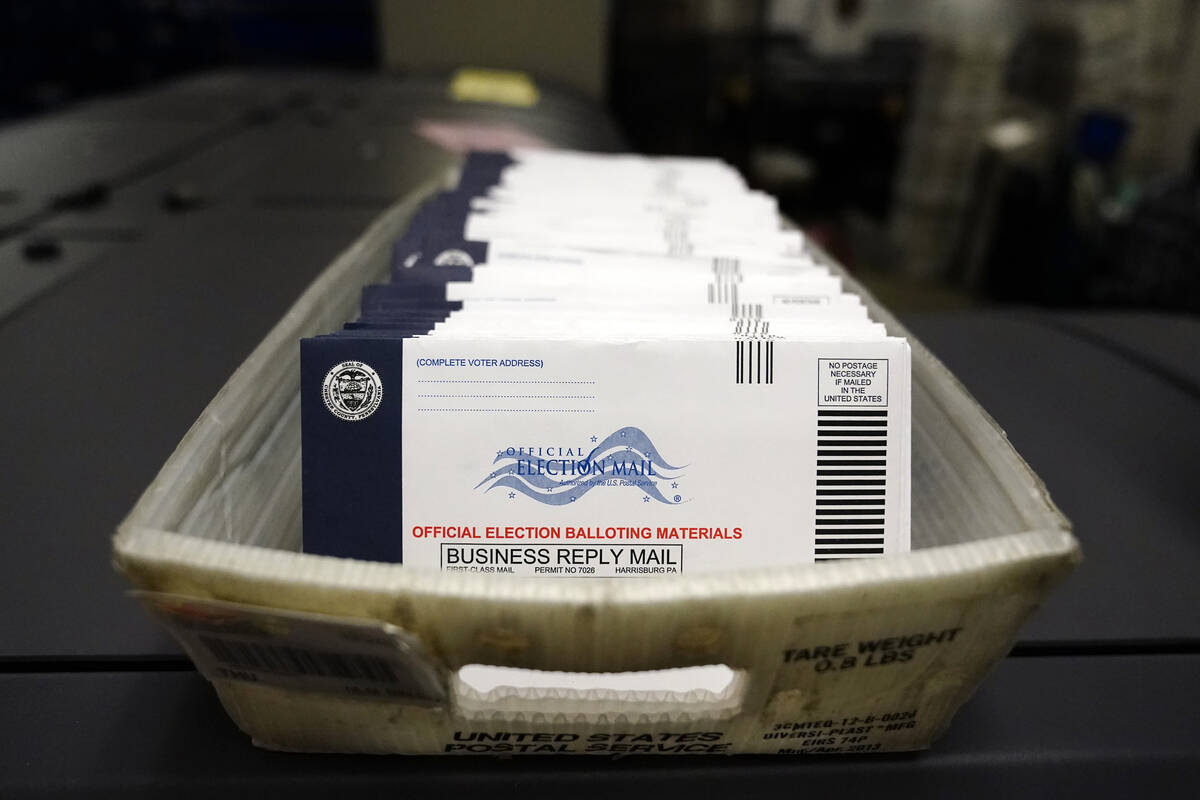
The upcoming case before the U.S. Supreme Court regarding mail-in voting has ignited a significant debate about voter integrity in Nevada and across the United States. As states increasingly adopt mail-in ballot systems, concerns are mounting about potential vulnerabilities that could compromise the electoral process.
Critics argue that universal mail-in voting creates opportunities for fraud and undermines the principle that only U.S. citizens can participate in elections. They emphasize that voting is a fundamental right reserved for citizens who have reached the age of 18. This group includes neither individuals living illegally in the country nor those with expired visas or green cards.
Advocates for stricter voting regulations point to the recent surge in illegal immigration and visa overstays as a reason to reconsider mail-in ballot procedures. They question the effectiveness of current verification methods used to ensure that all mail-in ballots are sent only to eligible voters. Important questions arise: Are the individuals receiving these ballots indeed citizens? Do they still reside at the addresses where the ballots are mailed? Have they moved to different states?
Concerns Over Ballot Distribution
The debate has intensified in the wake of Nevada’s implementation of mandatory mail-in voting. Critics, including some local commentators, have expressed alarm over what they perceive as a reckless approach to distributing ballots without adequate checks. They argue that this system could allow non-citizens to influence elections, thus threatening the democratic process.
The Review-Journal, a local newspaper, has highlighted these concerns, urging citizens to remain vigilant regarding their voting rights and the integrity of the electoral system. Lawmakers and citizens alike are encouraged to engage in discussions about the need for more stringent measures to verify voter eligibility, especially in an era where digital and mail-in voting are becoming more prevalent.
Furthermore, the implications of this case extend beyond Nevada. If the Supreme Court rules in favor of stricter regulations, it could set a precedent affecting mail-in voting practices nationwide, potentially reshaping how elections are conducted across various states.
The outcome of this case may not only influence voting procedures but also redefine the boundaries of citizenship and participation in the electoral process. As the case progresses, it will be essential for all citizens to stay informed and engaged, ensuring that their voices are heard in the ongoing discussion about the future of voting in the United States.