



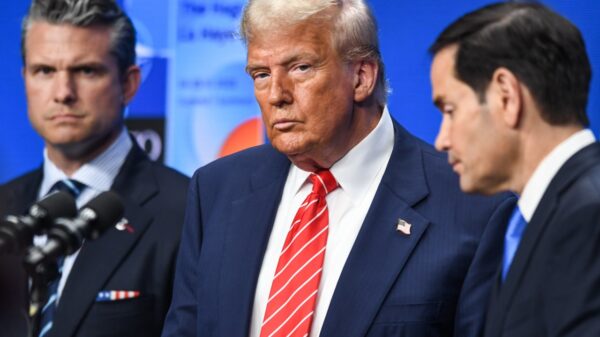















The Pentagon’s recent press briefing saw a significant shift as traditional media outlets declined to attend due to a controversial new requirement. Many established journalists chose not to sign an agreement from the Trump Administration that would have limited their ability to report on the Pentagon without prior authorization. This decision led to the invitation of alternative media personalities, resulting in an unconventional and chaotic press event.
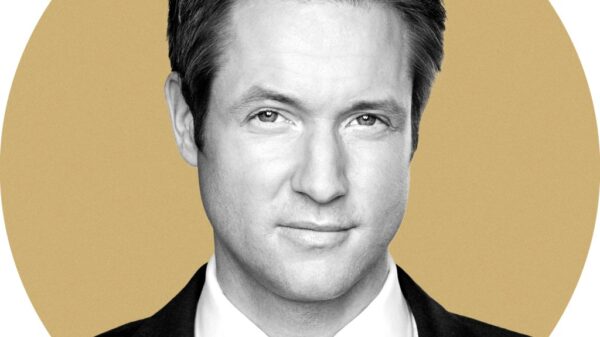
During the briefing, Pentagon press secretary Kingsley Wilson remarked, “Legacy media chose to self-deport from this building.” She implied that the mainstream press had lost credibility with the public, calling them “propagandists” who had stopped telling the truth. In a notable moment, she called on former Representative Matt Gaetz, who, despite his controversial past, was given the floor to question Pentagon officials regarding military actions in Venezuela.
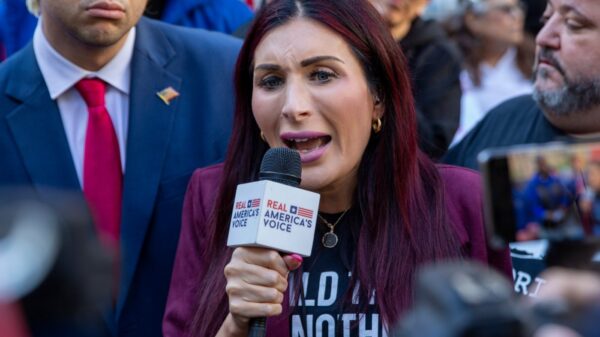
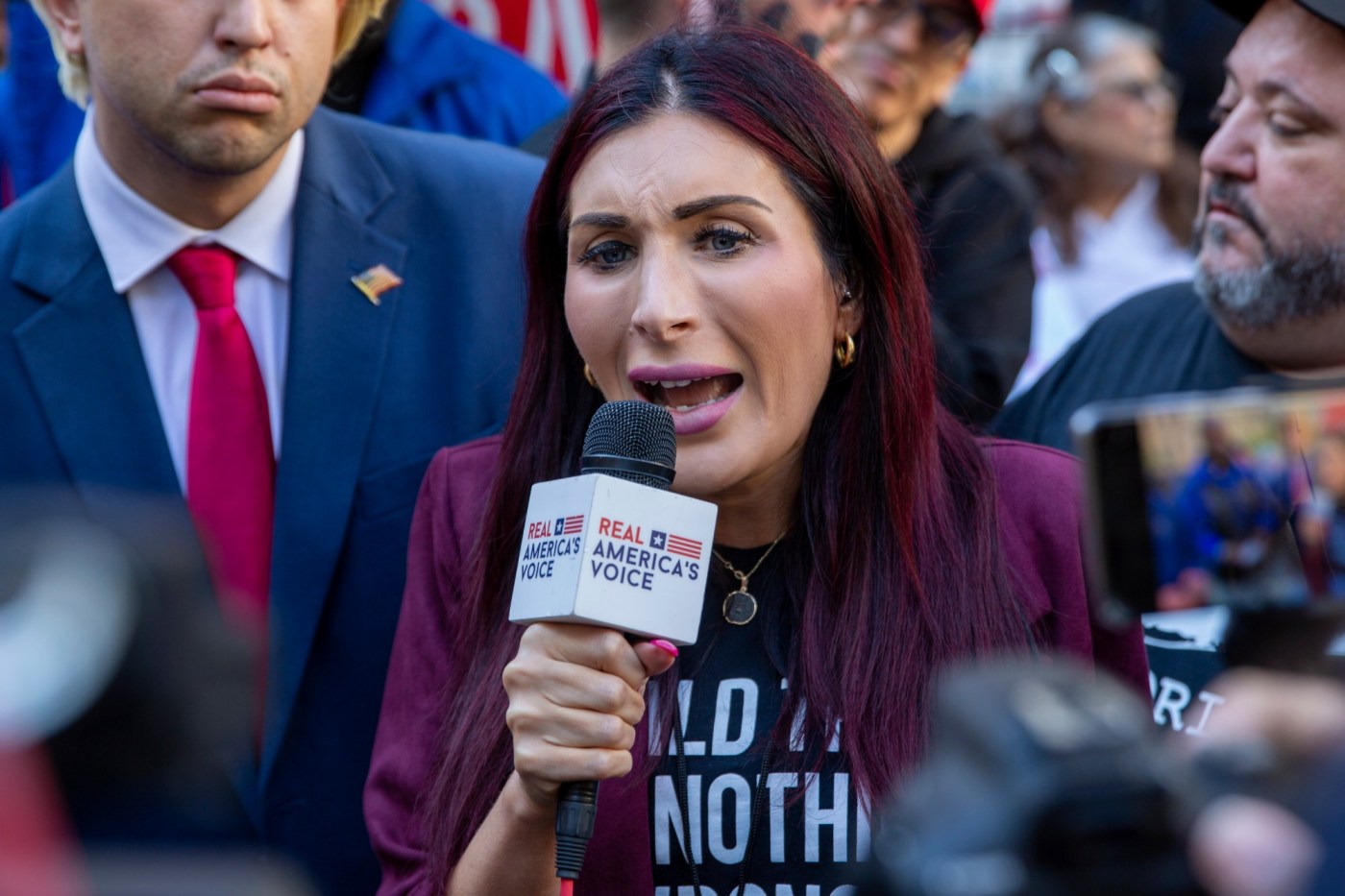
The atmosphere intensified when Laura Loomer, known for her polarizing views, took her turn as a reporter. Loomer diverted from conventional topics, discussing the relationship between the Qatari emir and the Trump administration. In response to her inquiries, Wilson stated, “That would be a determination for the president to make,” further highlighting the unconventional nature of this briefing.
The event continued to unravel when an unidentified attendee challenged Loomer’s assertion about the Israeli government’s funding of Hamas. The New York Post reported on this interaction, illustrating the unpredictable dynamics present in the room. This bizarre scenario underscored the ongoing tensions between the current administration and the traditional press.
The decline of conventional press engagement at the Pentagon reflects broader issues within American journalism. Even Newsmax, a far-right media outlet, rejected the Pentagon’s pledge, deeming it “unnecessary and onerous.” This sentiment illustrates a growing concern over press freedoms, as Defense Secretary Pete Hegseth noted, “Press no longer roams free,” marking a significant departure from the norms established over the past 250 years.
As this situation unfolds, it raises questions about the future of press relations with government bodies. The implications of such a shift not only affect the way news is reported but also how the public receives and interprets information from their leaders.
The events at the Pentagon serve as a reminder of the importance of a free press in a democratic society. With the evolving landscape of media and the challenges posed by new governance tactics, the role of traditional journalism remains crucial in ensuring accountability and truthfulness in reporting. The consequences of this shift will likely resonate beyond the walls of the Pentagon, impacting public trust in media and government alike.