










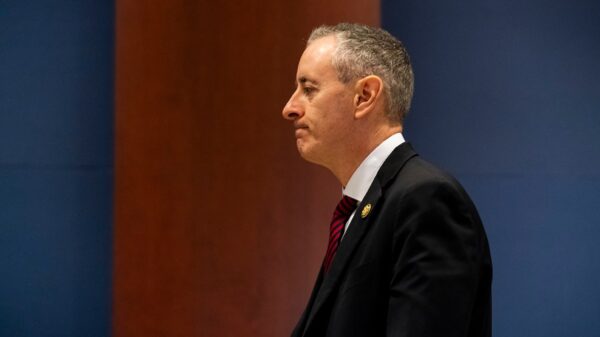

























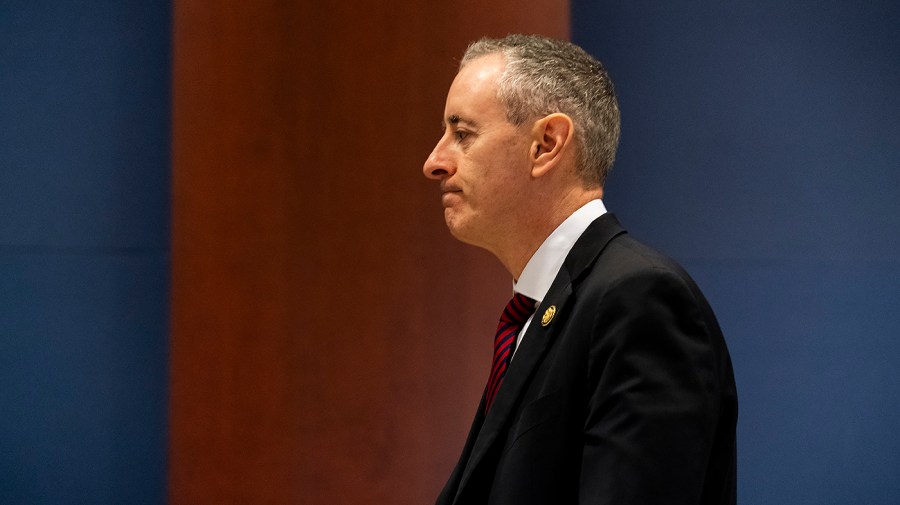
Representative Brian Fitzpatrick (R-Pa.) expressed concerns on Wednesday regarding the Republican leadership’s approach to a series of amendments aimed at reforming ObamaCare. He claimed that the amendments were designed strategically to fail, undermining efforts to bring meaningful healthcare reform to the floor of the House of Representatives.
Fitzpatrick’s comments highlight a growing tension within the GOP concerning the party’s stance on healthcare issues. He stated, “Fear of a bill getting 218 votes on the floor is not a reason to keep it off. It’s a reason to put it on the floor.” His assertion suggests that there is a reluctance among some Republican leaders to support legislation that could potentially gain bipartisan approval.
The ObamaCare amendments were part of a broader discussion on healthcare reform, with Fitzpatrick pushing for a more open debate on the proposals. He believes that the party should embrace the opportunity to address healthcare concerns rather than stifle discussion out of fear of political repercussions. This perspective is particularly significant as the GOP navigates internal divisions regarding its legislative agenda.
Fitzpatrick’s remarks come at a critical juncture for the Republican Party, which has long opposed ObamaCare but faces increasing pressure to present viable alternatives. The insistence on amendments that are likely to fail raises questions about the party’s commitment to addressing the healthcare needs of constituents. As discussions continue, the tension between party leadership and lawmakers like Fitzpatrick may shape the future of healthcare reform efforts.
In recent years, the debate surrounding ObamaCare has evolved, with various factions within the GOP advocating for different approaches. Fitzpatrick’s call for a transparent discussion reflects a desire among some party members to prioritize the needs of the public over political strategy.
As the healthcare debate unfolds, the actions of the GOP leadership will likely play a crucial role in determining the future of healthcare legislation in the United States. Fitzpatrick’s push for a vote on the amendments signifies a potential shift in the party’s dynamics, underscoring the importance of open dialogue in crafting effective policy.