







































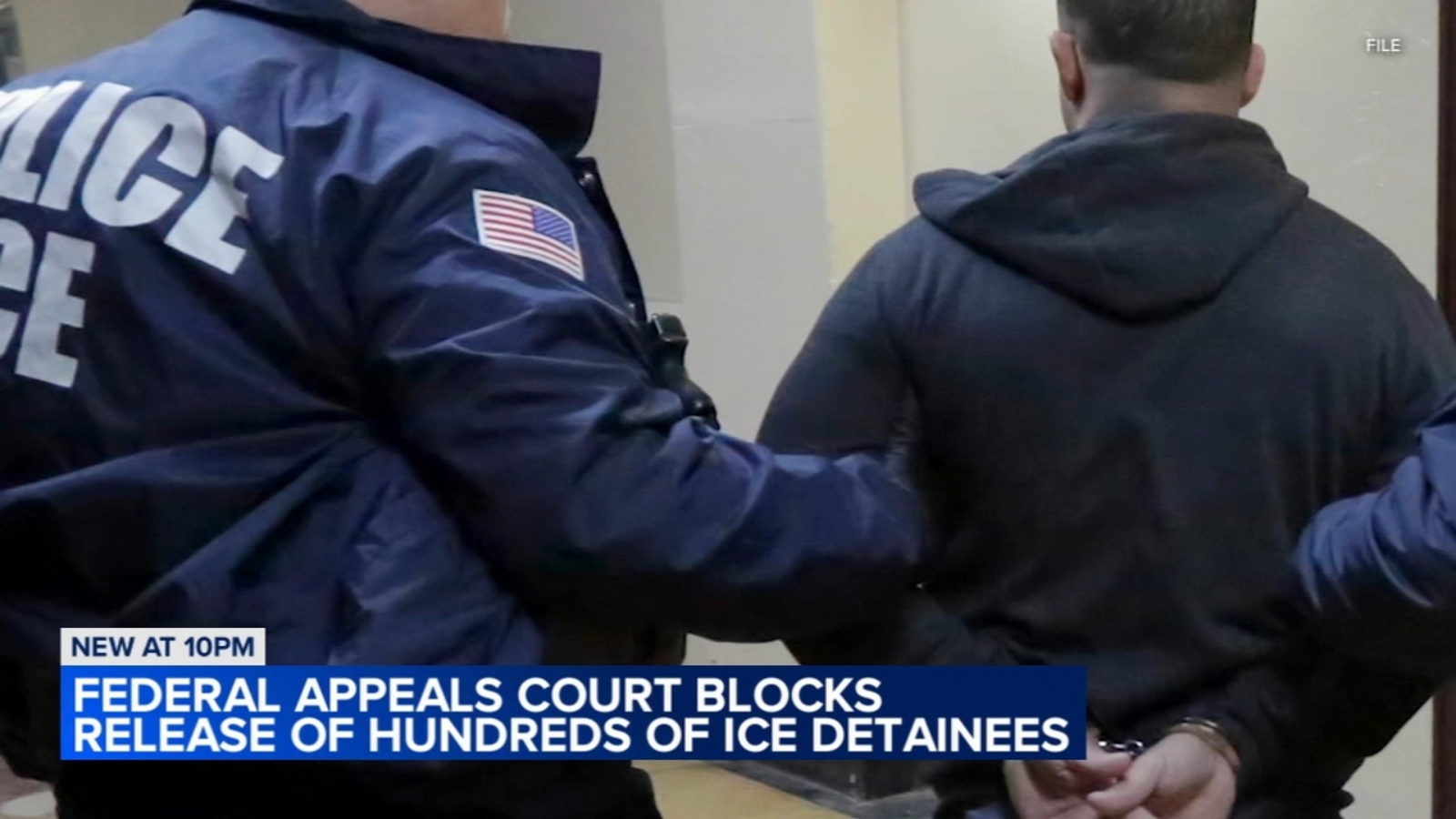
A federal appeals court has intervened to block the release of hundreds of individuals detained by immigration agents during “Operation Midway Blitz” in the Chicago area. The court’s decision comes amidst ongoing legal battles regarding potential violations of a consent decree that limits warrantless arrests by federal agents.
U.S. District Judge Jeffrey Cummings had previously ordered the release of up to 615 migrants, stating that their arrests could have breached the 2022 Castañon Nava consent decree. This decree prohibits federal immigration officials from conducting warrantless arrests unless they have reasonable belief that an individual is in the country illegally and poses a flight risk. The judge’s ruling aimed for these detainees to be released into “alternatives-to-detention,” which may include electronic monitoring, by November 21, 2025, unless the government files an appeal.
Legal representatives from the American Civil Liberties Union (ACLU) and the National Immigrant Justice Center (NIJC) have argued that the Department of Homeland Security (DHS) violated the consent decree during the operation, which took place between June 11 and October 7, 2025. In a statement, ACLU attorney Michelle Garcia emphasized that many individuals were unlawfully arrested without probable cause and should be allowed to return to their communities.
The appeals court ruled that each detainee’s case must be evaluated individually. This decision reflects a growing concern over the handling of immigration arrests by federal officials. Judge Cummings has also mandated that the DHS provide comprehensive information regarding all arrests conducted since October 7 to assess compliance with the existing legal framework.
A spokesperson for the DHS responded critically to the judge’s decision, asserting that it endangers public safety. Tricia McLaughlin, Assistant Secretary of DHS, claimed that the ruling undermines law enforcement efforts to apprehend individuals deemed a risk to the community. “An activist judge is putting the lives of Americans directly at risk by ordering 615 illegal aliens be released into the community,” McLaughlin stated.
The legal proceedings highlight a significant tension between immigration enforcement policies and civil rights protections. Over recent weeks, attorneys on both sides have been identifying how many individuals may have been arrested in violation of the consent decree, with estimates suggesting that over 3,000 arrests could potentially fall under scrutiny.
Mark Fleming of the NIJC expressed concern about the broader implications of these arrests, suggesting that ongoing operations have disproportionately impacted communities without lawful justification. “This whole operation… has all been unlawful,” Fleming remarked, indicating that many individuals affected had no prior interactions with law enforcement.
In the context of these legal developments, the DHS has argued that congressional legislation restricts federal courts’ authority to grant parole to large groups of immigrants in custody. They maintain that the power to grant parole rests solely with the Secretary of Homeland Security, thereby limiting judicial oversight in these cases.
As the litigation continues, the implications of these rulings extend beyond the immediate cases. The court’s findings may lead to further evaluations of immigration practices and the potential release of additional detainees as the legal process unfolds. The upcoming weeks will be critical in determining the fate of those currently detained and the broader enforcement strategies employed by immigration authorities.