


























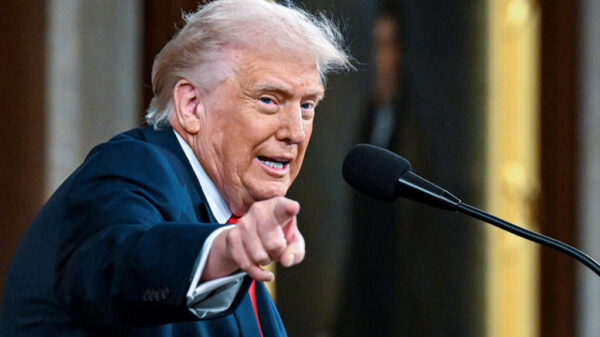




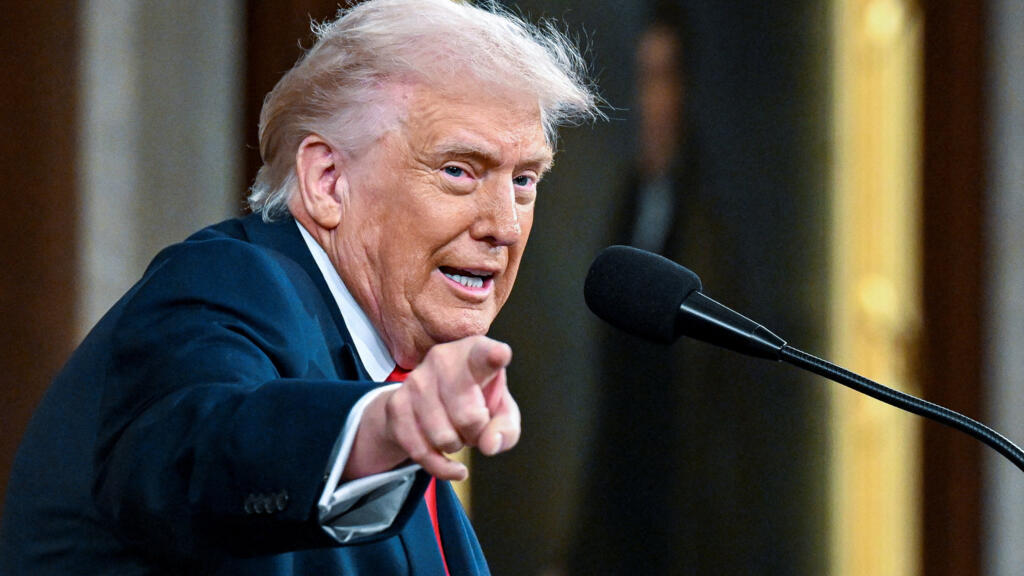
The 2026 State of the Union address marked a significant moment in American politics as Donald Trump delivered the longest such speech in U.S. history. This address, taking place during his second presidential term, occurred in a sharply divided Congress, with millions tuning in across the nation. Several dramatic moments defined the evening, showcasing the polarized nature of contemporary American politics.
Contentious Exchanges and Audience Reactions
From the moment Trump began speaking, the atmosphere in the chamber was charged. Republican applause frequently interrupted his remarks, while Democratic members expressed their discontent through heckling and visible dissent. This division was evident as members of both parties reacted passionately to Trump’s statements on key policies and national issues.
Among the most notable moments was Trump’s declaration on healthcare reforms, which prompted a mix of cheers from Republican lawmakers and boos from their Democratic counterparts. The stark contrast in reactions highlighted the ongoing debates surrounding healthcare in the U.S., an issue that remains a flashpoint for voters heading into the upcoming elections.
Another significant highlight came when Trump addressed immigration policy, emphasizing his administration’s commitment to border security. His assertion that “the border is secure” drew both laughter and skepticism from Democrats, further illustrating the partisan divide. The tension in the room became palpable, with some members standing to applaud while others remained seated, shaking their heads.
Historic Audience Engagement
The televised audience for the State of the Union was estimated in the millions, with viewership reported to be among the highest for such addresses in recent years. This interest underscores the importance of the address not just as a political event, but as a moment of national engagement. Social media platforms buzzed with commentary as viewers reacted in real-time to Trump’s proposals and the responses from Congress.
Trump’s speech also included references to international affairs, particularly his administration’s approach to foreign policy. His comments on trade agreements and military alliances received varied responses, reflecting the differing priorities of the two parties. The tension surrounding these topics echoed the broader debates influencing American foreign relations.
While the address was a showcase of Trump’s policy agenda, it was also a reflection of the current political climate in the U.S., characterized by discord but also by passionate engagement from constituents. The evening concluded with Trump urging unity among lawmakers, a call that resonated with some but was met with skepticism from others.
In summary, the 2026 State of the Union address was not just a routine political event but a vivid depiction of the current state of American democracy. The interactions within Congress, coupled with the responses from the public, highlighted the deep divisions and the intense emotions surrounding national issues. As the nation prepares for upcoming elections, the implications of this address will likely be felt far beyond the walls of the Capitol.