








































Despite rigorous oral hygiene routines, many individuals find themselves facing persistent dental issues such as gum disease and cavities. Recent insights reveal that effective oral health extends beyond traditional practices like brushing, flossing, and mouthwash. A significant factor in this equation is the role of xylitol, a sugar alcohol that has garnered attention for its unique properties and benefits for oral health.
Understanding Xylitol’s Role in Oral Health
Xylitol is a naturally occurring sugar alcohol found in small quantities in various fruits and vegetables. Unlike regular sugar, xylitol does not contribute to the growth of harmful bacteria in the mouth. Instead, it actively disrupts the metabolic processes of decay-causing bacteria, significantly reducing their ability to thrive. This mechanism makes xylitol a powerful ally in combating cavities and promoting healthier gums.
Research has demonstrated that xylitol can reduce levels of Streptococcus mutans, the primary bacteria responsible for tooth decay. According to a study published in the Journal of Dental Research, consistent use of xylitol over a period of time can lead to a remarkable decrease in cavity incidence. The study highlighted that participants who included xylitol in their oral care routine experienced a 30% reduction in cavities compared to those who did not.
Beyond Traditional Oral Hygiene Practices
While most people adhere to a diligent routine of brushing and flossing, these practices alone may not suffice in achieving optimal oral health. Many individuals still find themselves facing issues such as receding gums and persistent bad breath. These conditions can often be linked to an imbalance of bacteria in the mouth, which xylitol can help address.
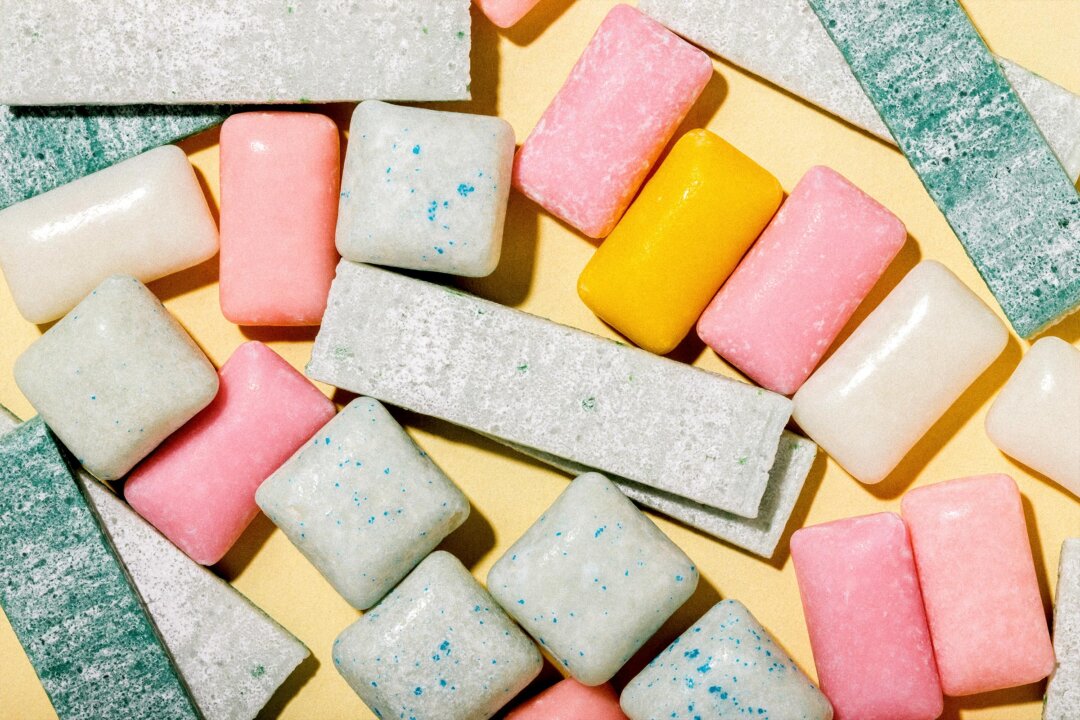
Incorporating xylitol into daily habits is actually quite simple. It is commonly found in sugar-free gums, mints, and various oral care products. This versatility allows individuals to easily add xylitol to their oral hygiene regimen without a significant change in routine. For instance, chewing xylitol-based gum after meals can help neutralize acids in the mouth and foster a healthier environment for beneficial bacteria.
Dental professionals are increasingly advocating for the use of xylitol in conjunction with traditional oral care methods. Dr. Sarah Thompson, a leading dentist in London, emphasizes that “while brushing and flossing are essential, integrating xylitol can provide an additional layer of protection against decay and gum disease.” Her practice has seen a marked improvement in patients’ oral health since encouraging xylitol use.
As more research unfolds, xylitol’s reputation as a vital component of oral health continues to grow. While it is not a replacement for regular dental check-ups, it presents a promising avenue for those struggling with ongoing dental challenges. Individuals seeking to enhance their oral health may find that adding xylitol to their routine could lead to more favorable outcomes during their next dental visit.
In summary, xylitol stands out as a noteworthy addition to oral health care. Its unique properties not only make it a substitute for sugar in various products but also bolster the fight against cavities and gum disease. As awareness of xylitol increases, individuals are encouraged to explore its potential benefits in achieving lasting oral health.