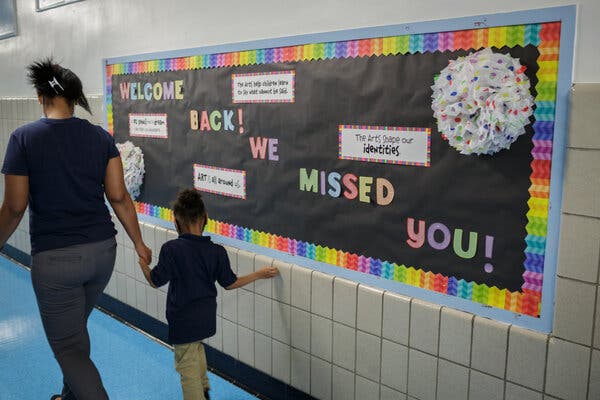
A recent study examining nearly 200,000 schoolchildren in California has revealed a significant improvement in youth mental health following the reopening of schools for in-person learning in 2021. The research, published in the journal *Epidemiology*, indicates that the risks associated with prolonged school closures may have been underestimated by policymakers during the pandemic.
The study tracked medical claims for 185,735 privately insured children aged 5 to 18 in California, comparing data from the months before and after schools reopened. Remarkably, the findings show that nine months after the return to in-person classes, the likelihood of a child receiving treatment for a mental health condition decreased by 43 percent. Additionally, spending on mental health medications dropped by 7.5 percent, while expenditures on other forms of treatment, such as therapy, fell by 10.6 percent.
Impact on Gender and Future Research Directions
The improvements in mental health were particularly notable among girls, suggesting a need for targeted interventions in this demographic. Dr. Rita Hamad, a social epidemiologist at the Harvard T.H. Chan School of Public Health and co-author of the study, highlighted the importance of these findings. She stated that the data suggests some officials, in their emphasis on managing infection rates, may not have adequately considered the social costs of school closures.
“This is definitely a piece of evidence that I wish we’d had at the beginning of the pandemic to inform the conversations we were having,” said Dr. Hamad. “I think the decisions may have been different if we had seen that the benefits of school closures were being outweighed by risks like this.”
Dr. Hamad acknowledged that the study’s sample included only children with private insurance, which may lead to an underrepresentation of the adverse effects experienced by those with Medicaid. To address this limitation, the research team plans to conduct further analysis using Medicaid data, aiming to provide a more comprehensive view of the mental health impacts of school closures.
As schools continue to navigate the challenges posed by the pandemic, this study underscores the critical role that in-person learning plays in supporting the mental well-being of children. With ongoing discussions about educational policies and public health, the findings offer valuable insights for future decision-making regarding school operations.