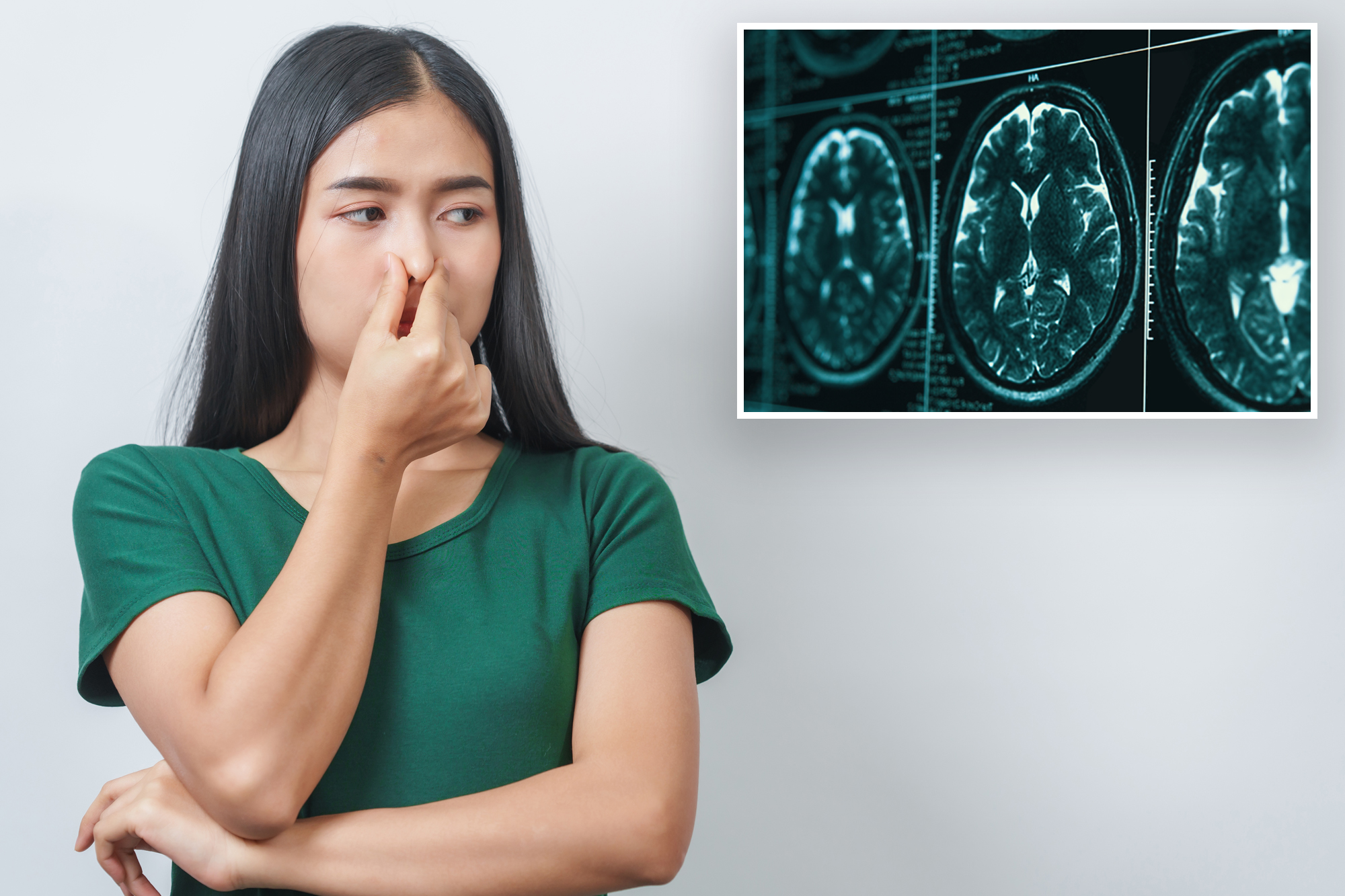
A recent study from Johns Hopkins Medicine has revealed that hydrogen sulfide, a compound often associated with the unpleasant odor of flatulence, may play a significant role in protecting aging brain cells from cognitive decline and Alzheimer’s disease. The research indicates that this compound could be a vital factor in combating neurodegeneration, a condition affecting approximately 500,000 new patients annually in the United States.
The findings were published in the Proceedings of the National Academy of Sciences, where the research team, led by Dr. Bindu Paul, an associate professor at Johns Hopkins, detailed their groundbreaking investigation. The study utilized genetically modified mice that exhibit symptoms resembling human Alzheimer’s disease. Researchers administered a hydrogen sulfide-carrying compound known as NaGYY, which gradually releases the gas throughout the body.
After a treatment period of 12 weeks, the results were striking. Mice that received hydrogen sulfide treatment exhibited a remarkable improvement in both cognitive and motor functions, showing enhancements of around 50% compared to untreated mice. The treated rodents demonstrated increased physical activity and improved memory retention, suggesting that hydrogen sulfide may reverse some behavioral outcomes of Alzheimer’s disease.
“Our new data firmly link aging, neurodegeneration, and cell signaling using hydrogen sulfide and other gaseous molecules within the cell,” stated Dr. Paul. The study highlights the essential role that hydrogen sulfide plays in regulating various functions within the body.
In a healthy human body, small amounts of hydrogen sulfide are naturally produced, primarily regulated by an enzyme known as glycogen synthase beta. However, levels of this compound decline with age. When the enzyme is absent, hydrogen sulfide tends to bind excessively to another protein called Tau. This abnormal binding can lead to the formation of clumps within neurons, impeding communication between nerve cells and ultimately resulting in cell death.
The research team elaborated, “This leads to the deterioration and eventual loss of cognition, memory, and motor function.” The implications of these findings could pave the way for the development of new drugs aimed at preventing or even reversing the effects of Alzheimer’s disease.
The connection between hydrogen sulfide and brain health presents an exciting avenue for further research. With the potential to develop therapeutic interventions that target this gas, scientists are optimistic about the future of treatments for neurodegenerative diseases. While the notion of “sniffing one’s own farts” may seem humorous, the underlying scientific principles reveal serious implications for understanding and combating Alzheimer’s disease.
As this research progresses, the hope is that it will contribute to a deeper understanding of brain health and lead to effective strategies for managing or preventing cognitive decline in aging populations.