






































LG Electronics is expanding its presence in the healthcare sector, positioning itself as a solutions provider rather than just a display vendor. During an interview at the Radiological Society of North America annual conference in Chicago, Jim Salamon, the national sales leader for LG’s medical division, highlighted the company’s commitment to enhancing clinical workflows.
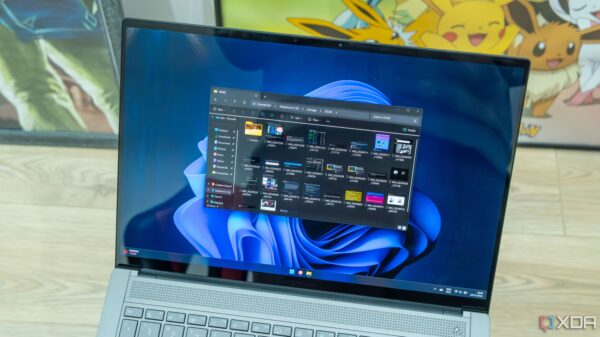
While LG is well-known for its consumer electronics like televisions and washing machines, its medical division focuses on providing products that improve surgical and radiological practices. The company offers advanced display systems designed to give surgeons clearer views during operations and assist radiologists in analyzing scans. However, LG’s offerings extend beyond displays, encompassing lightweight laptops for mobile radiologists and nursing station units.
At the conference, Salamon discussed how LG tailors its product innovations to meet specific clinical needs. In surgical environments, the company has advanced its image quality from HD to 4K and is now introducing mini-LED technology. These enhancements are driven by clinicians’ demands for higher-resolution images and more accurate color representations, which better reflect what the human eye sees during procedures.
As more radiologists seek flexibility in their work environments, LG is adapting its technology accordingly. Salamon noted that radiologists increasingly desire the ability to multitask, often reading for multiple hospitals that may utilize different PACS systems. In response, LG has developed workstations that allow radiologists to operate multiple systems using a single diagnostic display. The lightweight nature of this hardware enhances mobility, making it suitable for home reading as well.
Cost-efficiency is another area where LG seeks to differentiate itself in the crowded digital health market. The company manufactures its own panels, which Salamon claims can result in savings of 20–30% for hospitals compared to competitors. This is particularly relevant for large healthcare systems that must replace numerous workstations on rotating schedules.
LG’s design philosophy focuses on creating IT-agnostic products, enabling integration with existing systems rather than imposing proprietary requirements. Salamon emphasized that the company is committed to exploring new technologies to address the evolving needs of clinicians. Among the prototypes currently in development are curved display monitors and 3D imaging tools aimed at enhancing diagnostic precision.
While it remains uncertain how these innovations will impact daily clinical practice or patient care, Salamon is confident that LG’s approach — which prioritizes clinician feedback and rapid adaptation — is fundamental to developing technology that makes a difference in healthcare.