

































Healthcare is often mired in political debates, overshadowing urgent community needs. In Turlock, California, the Legacy Health Endowment (LHE) and the EMC Health Foundation are prioritizing practical healthcare solutions. Their approach focuses on immediate assistance for families struggling with aging relatives or mental health support, emphasizing that access to healthcare is a human necessity, not a political tool.
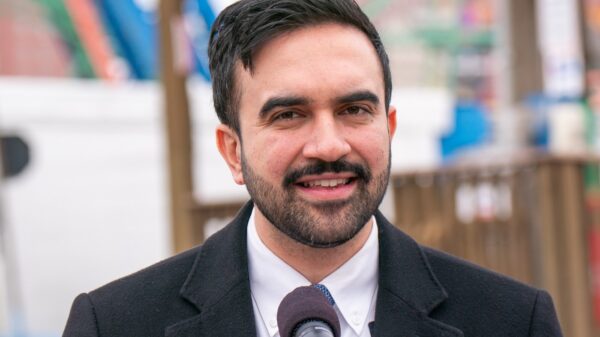
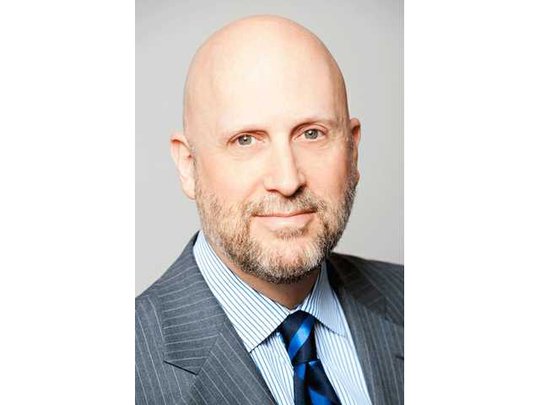
Jeffrey Lewis, President and CEO of LHE and EMC Health Foundation, highlights the disconnection between political discourse and real-world healthcare challenges. He notes that while policymakers engage in discussions about funding and mandates, local communities are left vulnerable. “Waiting for a legislative ‘silver bullet’ is a losing strategy,” Lewis asserts. His organization treats philanthropy as a form of venture capital, investing in programs that address immediate healthcare gaps.
Innovative Programs Address Care Gaps
One significant initiative is the Person-Centered Care (PCC) program, designed to assist middle-income seniors who often fall into a care gap. These individuals earn too much to qualify for Medi-Cal yet cannot afford private nursing services. By collaborating with the City of Turlock and utilizing funds from the American Rescue Plan Act (ARPA), LHE developed a model that provides essential in-home respite, meal support, and transportation services.
Additionally, the EMC Health Foundation’s $2 Rx program exemplifies a successful strategy to support the uninsured and those with high-deductible health plans. This program offers over 1,000 generic medications and insulin for just $2. According to Lewis, such initiatives not only assist individuals but also prevent premature institutionalization, which is less costly for taxpayers and significantly better for families.
Shifting Perspectives on Healthcare
To overcome political stalemates, Lewis advocates for three key shifts in how care is approached. First, he emphasizes the importance of public-private synergy. Government cannot address all healthcare needs alone, and private entities often overlook vulnerable populations. By fostering partnerships, foundations can act as catalysts for innovative solutions.
Secondly, Lewis calls for a move toward data-driven compassion. He argues that success should not be measured solely by expenditure but by tangible outcomes. Metrics such as increased dental visits or improved quality of life due to medical interventions should guide healthcare assessments.
Lastly, he stresses the need for a hyper-local focus. Directing resources to specific areas, such as the nineteen ZIP codes in Stanislaus and Merced counties, allows organizations to maximize their impact. By ensuring every dollar is visible in community improvement, healthcare providers can foster trust and accountability.
At LHE and the EMC Health Foundation, there is a commitment to remain fiercely independent. They collaborate with anyone willing to prioritize patient care over political agendas. Lewis concludes that the future of healthcare in the Central Valley hinges on a pragmatic approach, transforming healthcare from a contentious issue into a shared community project.
The lives of local residents cannot afford to wait for political resolutions. By focusing on practical solutions and collaborative efforts, organizations like LHE and EMC Health Foundation are setting a precedent for how healthcare can evolve beyond political barriers and into a framework for community stewardship.