






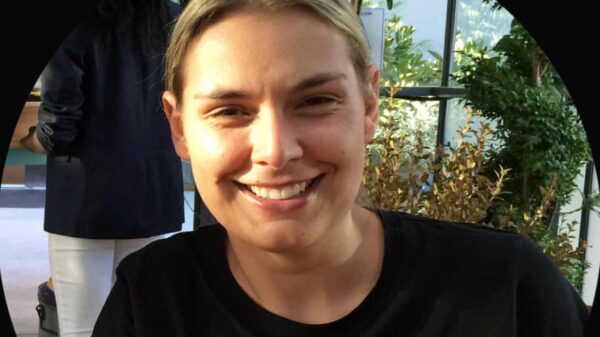


































Dr. Andrew Brinen’s recently published book, Living Well With Psychosis, explores the potential for individuals with psychosis to lead fulfilling lives. By emphasizing resilience and self-empowerment, Dr. Brinen presents a hopeful perspective on living with mental health conditions. His work aligns with the pioneering views of advocates like Dr. Patricia Deegan, who has long championed the notion that recovery is achievable.
In recent years, the conversation surrounding mental health has shifted toward recognizing that individuals diagnosed with psychosis can thrive. Organizations such as ISPS-US facilitate discussions on psychological and social approaches to psychosis, hosting annual conferences where clinicians and those with lived experience share insights and strategies. These events encourage collaboration and advocacy, reinforcing the message that recovery is possible.
A significant focus of Dr. Brinen’s book is the integration of recovery-oriented cognitive therapy (CT-R). This therapeutic approach blends recovery principles with practical strategies, demonstrating effectiveness in enhancing hope and improving outcomes for individuals facing mental health challenges. Research indicates that those engaged in CT-R experience greater quality of life and progress in their recovery compared to traditional treatment methods.
Practical Strategies for Living Well
The book offers readers a variety of skills and reflective exercises designed to foster personal growth and resilience. Structured in an accessible and engaging style, Dr. Brinen encourages readers to clarify their aspirations and identify actionable steps toward achieving them. He incorporates evidence-based practices, such as activity scheduling, to help individuals manage their daily lives more effectively.
Dr. Brinen addresses various life aspects, including the importance of interpersonal relationships. He states, “Beyond the survival benefits of connection, friends and lovers provide joy and enrichment. They color in and highlight the stories of our lives.” This perspective not only highlights the significance of social support but also encourages individuals to seek and cultivate meaningful connections.
Additionally, the book tackles the intersection of psychosis and trauma. It notes that a significant portion of individuals experiencing psychosis also face post-traumatic stress disorder (PTSD). One study revealed that 38% of participants with a psychotic disorder reported having PTSD, while another 37% exhibited subthreshold symptoms. Contrary to earlier beliefs, modern research indicates that effective trauma therapy can greatly benefit those dealing with both psychosis and PTSD.
A Shift in Mental Health Perspectives
Dr. Brinen’s insights represent a growing recognition within the mental health community that individuals should be viewed beyond their diagnoses. The emphasis on seeing patients as whole persons rather than mere cases marks a significant shift in treatment approaches. The availability of resources specifically tailored for those experiencing psychosis is expanding, providing much-needed support and guidance.
The inclusion of practical worksheets in Living Well With Psychosis allows readers to engage in self-reflection and assess their aspirations. Dr. Brinen’s commitment to helping others navigate their journeys is evident throughout the book, making it a valuable resource for both individuals facing psychosis and the professionals who support them.
As the landscape of mental health continues to evolve, the work of advocates like Dr. Brinen and organizations such as ISPS-US plays a crucial role in fostering hope and promoting recovery. With increasing awareness and accessible resources, individuals living with psychosis can find renewed strength and the possibility of living well.