





























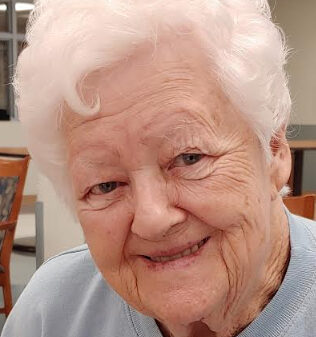




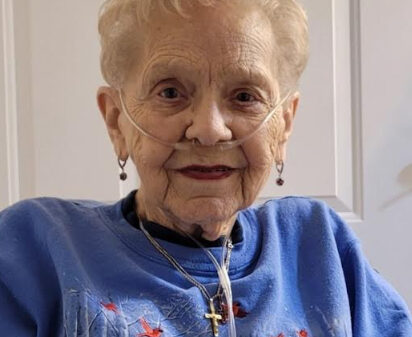




A heartfelt letter reveals the emotional turmoil faced by a husband as he witnesses his wife’s memory decline. The man, who has been married to his wife, Laura, for 40 years, describes her gradual memory loss, which has become increasingly concerning over the past year.
Initially, the couple dismissed small forgetful moments, such as misplacing keys or glasses, as part of aging. However, significant incidents raised alarms when Laura got lost while driving to her grandson’s school, a route she had taken countless times before. This unsettling experience led to moments of panic and confusion, underscoring the potential severity of her condition.
He details how Laura has begun repeating questions multiple times during conversations, exhibiting defensive behavior when reminded of previous discussions. He has also noticed lapses in her daily responsibilities, such as leaving the stove on after cooking and missing important appointments. These signs, he fears, may indicate the onset of dementia, which he finds daunting to consider.
The husband expresses a deep sense of guilt for even contemplating the possibility of a cognitive diagnosis. He worries about how to approach the situation without making Laura feel inadequate or broken. Despite his fear of what a medical diagnosis could entail for both of them, he acknowledges that doing nothing could be more detrimental.
Seeking guidance, he addresses the issue with Annie Lane, a columnist known for offering advice on sensitive personal matters. Annie emphasizes the importance of not ignoring these changes and suggests that the couple should seek a medical evaluation. She encourages the husband to accompany Laura to her primary care doctor and to document specific examples of her memory lapses in preparation for the visit.
Annie advises that the focus should remain on care and support. A conversation that expresses love and concern can open the door to understanding the underlying issues. She also recommends contacting Laura’s doctor directly if she refuses to seek help, as the doctor can provide valuable insight.
In addition to medical advice, Annie highlights the importance of caregiver support. Organizations focused on dementia can offer both practical guidance and emotional assistance, helping caregivers navigate the challenges they face.
Ultimately, despite the troubling changes, Annie reassures the husband that the love forged over four decades remains strong and valuable. Taking proactive steps now, such as seeking medical help, is crucial in addressing Laura’s condition.
For those grappling with similar issues, Annie Lane’s latest book, “Out of Bounds: Estrangement, Boundaries and the Search for Forgiveness,” provides insights into navigating complex emotional landscapes. It serves as a reminder that the journey of love often requires resilience, understanding, and a willingness to confront difficult realities.
Readers can find more information about Annie and her work at http://www.creatorspublishing.com or follow her on Instagram at @dearannieofficial. For personal inquiries, questions can be sent to [email protected].