






































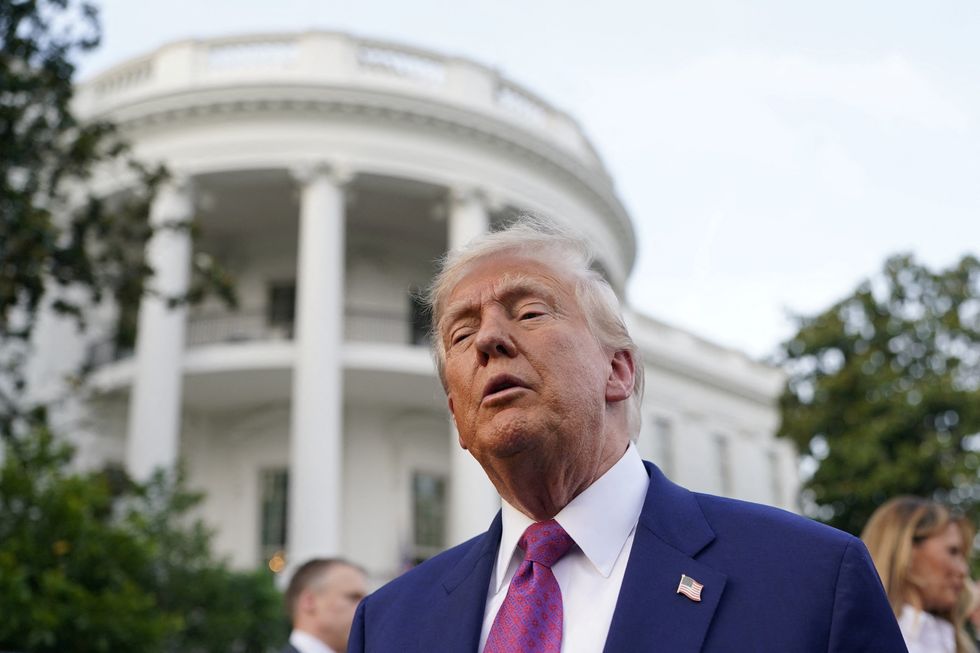
Donald Trump is reportedly transforming the White House to resemble his Mar a Lago resort, according to political commentator Mikey Smith. In an analysis published in The Mirror, Smith asserts that Trump is focusing on renovations aimed at converting the presidential residence into a space that reflects his personal tastes, which he has cultivated at his Florida estate.
During the initial year of his second term, Trump has often favored Mar a Lago over the Oval Office, frequently conducting briefings from the golf club. Smith describes this shift as a continuation of Trump’s “old wars of 2020,” indicating a strategy of engaging his political adversaries while remaking the White House in his image.
Concerns Over Renovations
The changes made to the White House, particularly in the East Wing, have raised eyebrows among political analysts and preservationists alike. Smith highlights several specific alterations, including a new ballroom and various interior decorations, which he argues signify a broader trend towards transforming the residence into a version of Mar a Lago.
“The art deco bathroom in the Lincoln bedroom was removed to install polished marble features reminiscent of Trump’s style,” Smith notes. He also points out that the rose garden has been paved over to create a patio similar to the one at Mar a Lago, designed for entertaining Republican allies during summer evenings.
Additionally, Trump has installed two large flagpoles on the White House lawn that mirror those found at his Palm Beach estate. These changes have not only sparked public debate but have also led to legal action from preservation groups concerned about the integrity of the historic site.
Legal Challenges and Future Projects
The potential renovation of the Eisenhower Executive Office Building has prompted a lawsuit aimed at halting any changes until a formal review process is conducted. The suit, filed in the U.S. District Court for the District of Columbia, seeks to prevent Trump and federal officials from making any modifications to the building without proper assessment. Judge Dabney L. Friedrich is expected to issue a ruling on this matter shortly.
According to the General Services Administration (GSA), no physical changes will be authorized until after December 31, 2025. This decision underscores the contentious nature of the proposed renovations and the ongoing debates surrounding the preservation of national landmarks.
As Trump continues to pursue his vision for the White House, the implications of these renovations extend beyond mere aesthetics, raising questions about historical preservation and the future direction of the presidential residence. The unfolding situation highlights the intersection of politics, personal preference, and the preservation of American history.