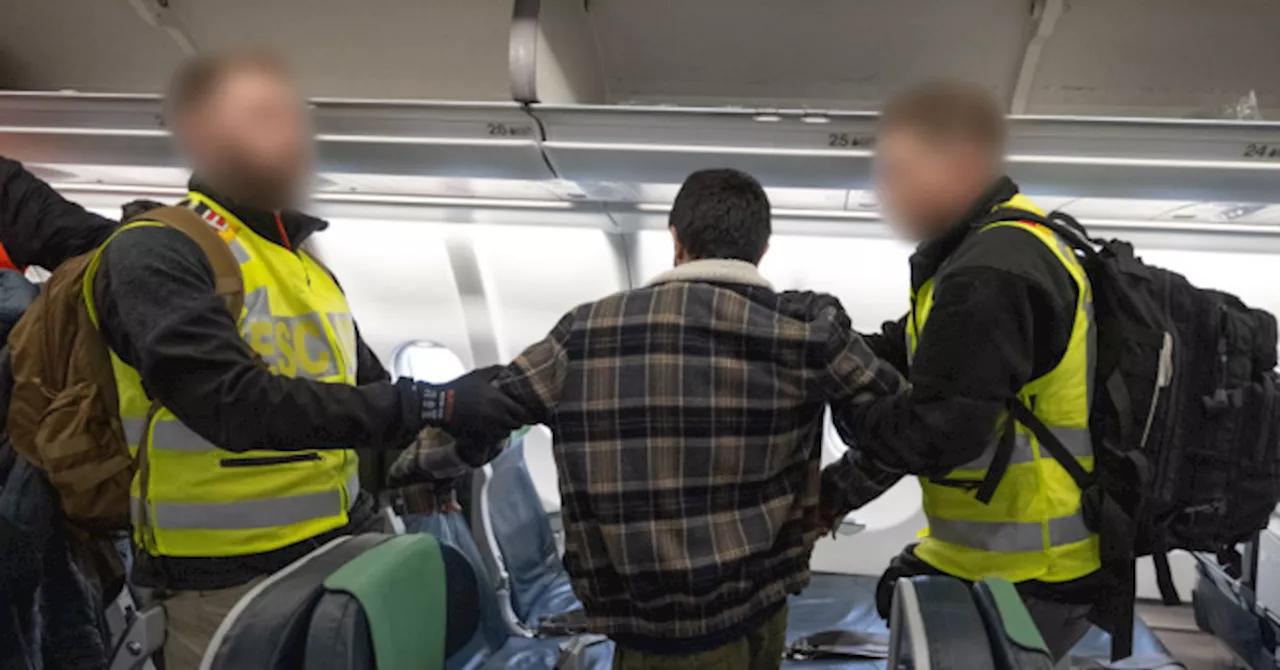
The Department of Homeland Security (DHS) has announced a significant initiative that could lead to substantial savings in its immigration enforcement operations. DHS plans to invest approximately $140 million in purchasing six Boeing 737 airplanes to establish its own fleet dedicated to deporting illegal migrants. This move aims to reduce reliance on charter airlines and is projected to save the government $279 million over time.
In a recent exchange on social media, Tricia McLaughlin, a senior official at DHS, criticized a report by the Washington Post for failing to highlight these potential savings. She stated, “Somehow the @washingtonpost forgot to include anywhere in their story that this new initiative will save the U.S. taxpayer $279 MILLION. I guess they didn’t want the public to know?” Her comment underscores the importance of transparency regarding government expenditures and savings.
The DHS has relied on charter companies for deportation flights until now. McLaughlin emphasized that operating a dedicated fleet would enhance the efficiency of the Immigration and Customs Enforcement (ICE) agency. She noted that the new planes would allow ICE to employ more effective flight patterns, thereby optimizing operations and reducing costs.
The funding for this initiative stems from a significant budget increase approved by Congress aimed at bolstering immigration enforcement strategies. As part of a broader plan outlined by the Trump administration, the DHS seeks to increase the frequency of repatriation flights, which have become increasingly costly when contracted through external carriers. The establishment of a government-operated fleet is seen as a proactive step to manage these costs effectively.
In addition to McLaughlin’s comments, the DHS’s cost-benefit analysis indicates that having a fleet of Boeing 737s will allow for improved operational flexibility. The agency plans to utilize these aircraft for various deportation missions, thus reducing its dependency on outside services.
This initiative aligns with President Trump’s ongoing commitment to immigration reform and enhancing border security. McLaughlin noted that both the President and Secretary of Homeland Security Kristi Noem are dedicated to ensuring that criminal illegal aliens are efficiently removed from the country.
As the DHS moves forward with this plan, it will be crucial to monitor its implementation and the anticipated financial benefits. The new fleet represents a strategic shift in how the government approaches deportations, potentially setting a precedent for future operations in immigration enforcement.
In summary, the DHS’s investment in its own fleet of Boeing 737s marks a significant change in operational strategy. With the potential for substantial savings and increased efficiency, this move reflects the administration’s ongoing focus on reforming immigration processes. As developments unfold, stakeholders will be keenly observing the impact on both operational costs and the broader immigration landscape.