








































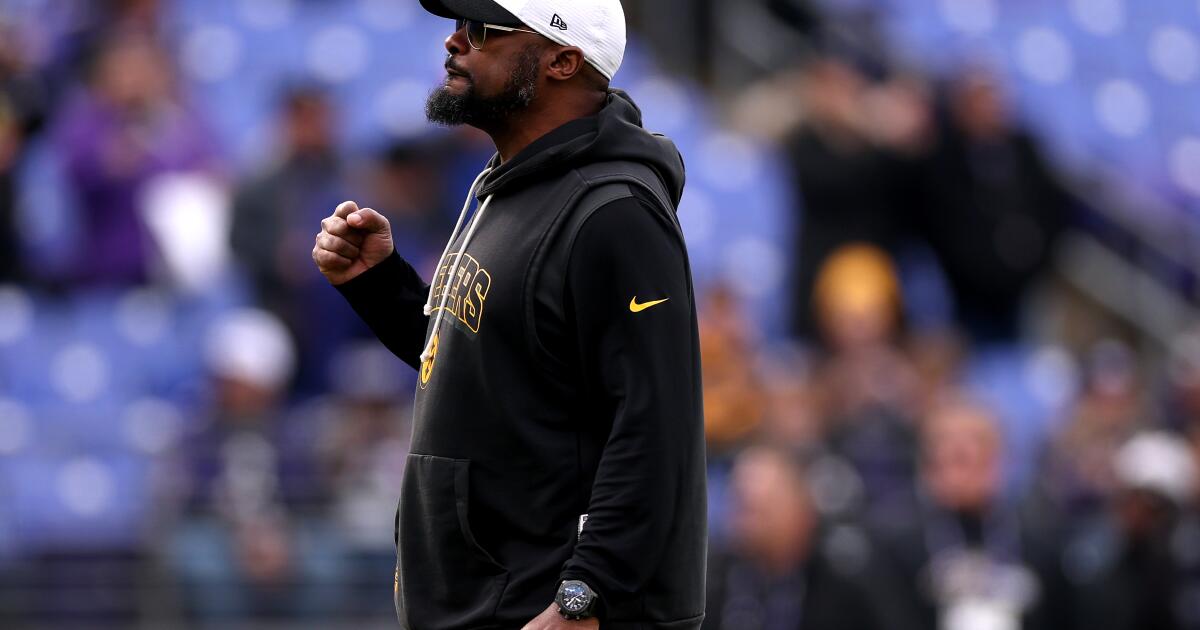
In a significant development within the NFL, Mike Tomlin announced his decision to step down after 19 years as head coach of the Pittsburgh Steelers. This announcement came following a season in which the Steelers secured their 25th division title, a remarkable achievement attributed to Tomlin’s leadership. Players expressed deep emotion upon hearing the news, with future Hall of Fame quarterback Aaron Rodgers reportedly in tears, reflecting Tomlin’s longstanding reputation as a mentor and friend.
As the NFL playoffs unfold, several teams are searching for new head coaches. This year, over 25% of franchises dismissed their head coaches, many of whom failed to lead their teams into playoff contention. In stark contrast, Tomlin’s tenure is marked by consistency and success, having never recorded a losing season. Yet, despite these accomplishments, a narrative has emerged questioning his status among the all-time great coaches in the league.
Critics point to the Steelers’ lack of a Super Bowl victory since February 2009, suggesting that Tomlin’s performance has been mediocre. This sentiment overlooks the historical context of the franchise and the expectations of its fanbase, which have been shaped by a rich tradition of success. For teams like the Cleveland Browns or the Arizona Cardinals, a single Super Bowl would represent a monumental achievement. However, the Steelers’ fans hold their team to higher standards, rooted in a legacy of championships.
Despite the criticism, Tomlin’s record stands out in the NFL. He boasts a win percentage of approximately 63%, placing him among the top ten coaches in NFL history. Comparatively, Dick Vermeil, who was inducted into the Hall of Fame in 2022, had a win percentage of just 52.5% over 15 years, with seven losing seasons. Both coaches can claim a Super Bowl title, yet Tomlin’s enduring success without a losing season speaks volumes about his capabilities.
The conversation surrounding Tomlin often fails to consider the broader implications of his role. As one of the few Black head coaches in the NFL, he has become a symbol of progress within a league that has struggled with diversity. The percentage of Black head coaches in the league has never exceeded 15%, making Tomlin’s journey particularly significant. He has served not only as a coach but also as a mentor, often being the first Black head coach many of his players have encountered.
Moving forward, the narrative should shift from questioning Tomlin’s greatness to celebrating his contributions to the sport. The challenges he has faced, including a quarterback carousel and the pressures of leading a storied franchise, underscore his resilience and coaching acumen. Instead of diminishing his achievements, discussions should focus on the impact he has made in his nearly two-decade career.
Ultimately, Tomlin’s legacy is not just measured by championships but also by the respect he commands within the league and the lives he has influenced. As he steps away from the sidelines, it is crucial to recognize the historical significance of his tenure and acknowledge the excellence he has consistently delivered. The conversation surrounding his career should celebrate his accomplishments rather than diminish them based on recent outcomes.
























