








































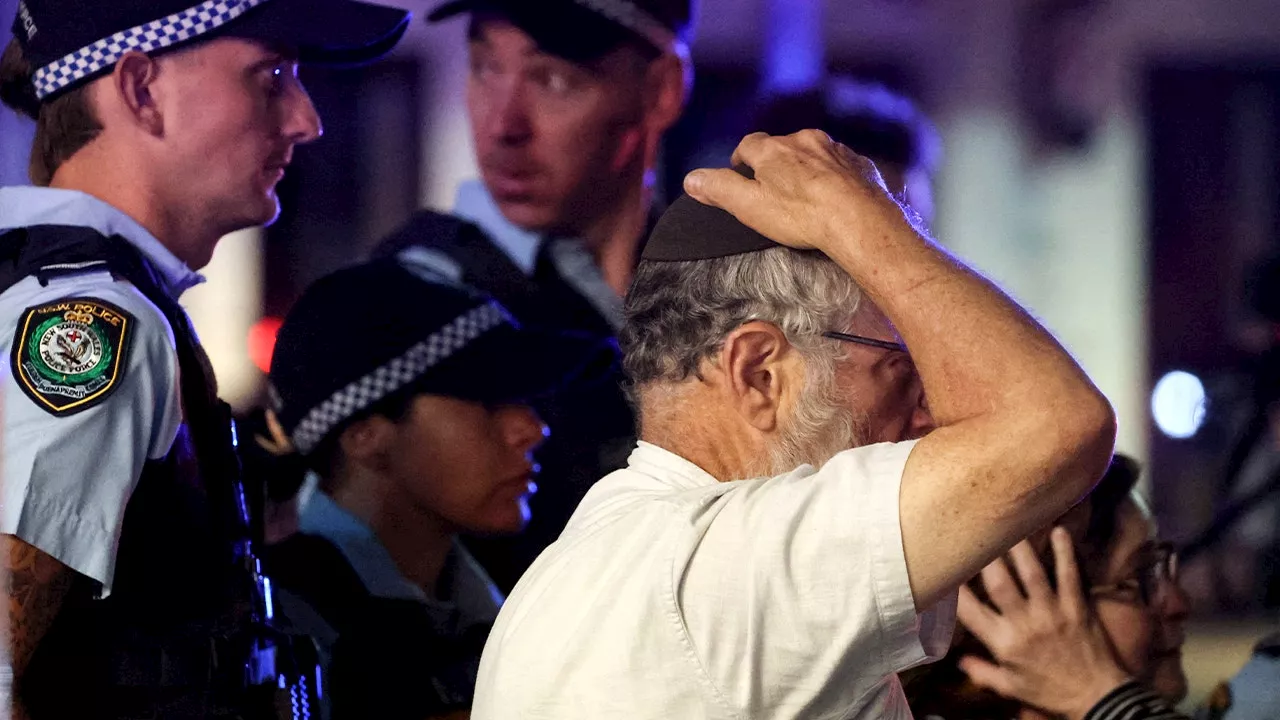
UPDATE: New reports confirm that the recent shooting during a Hanukkah celebration at Bondi Beach in Sydney has left 15 fatalities and 40 hospitalized. The incident, deemed an act of terrorism, has sparked urgent discussions about anti-Jewish sentiment and political ideologies.
In a powerful commentary published on December 10, 2023, New York Times columnist Bret Stephens, who is of Jewish heritage, directly connects the horrific attack to the controversial concept of ‘globalizing the intifada.’ This perspective adds a critical layer to the ongoing discourse surrounding the motivations behind such violence.
Police investigations indicate that the shooting, carried out by a father and son duo, was specifically targeted at the Jewish community attending the Chanukah by the Sea event. Authorities are treating the incident as a terror attack, raising alarms about rising anti-Semitism in Australia.
“The evil that was unleashed at Bondi Beach today is beyond comprehension,” stated Prime Minister Anthony Albanese, reflecting the shock and outrage felt across the nation.
Stephens argues that the roots of anti-Jewish attacks are not merely external but also influenced by domestic ideologies. He critiques the Australian government’s recognition of a Palestinian state and its public condemnation of Israeli actions, suggesting that these stances may blur the lines between valid political criticism and outright anti-Semitism.
The term ‘Globalize the Intifada’, as defined by the American Jewish Committee, promotes global opposition to Israel and has recently ignited controversy, especially following its defense by New York City Mayor-elect Zohran Mamdani. Stephens asserts that slogans like ‘resistance is justified’ can lead individuals to literal interpretations, resulting in violent actions like those seen at Bondi Beach.
Stephens emphasizes that while many may view these slogans as political rhetoric, the tragic outcome at Bondi Beach demonstrates the potential consequences of such ideologies when taken to extremes. He warns of the dangers associated with translating political expressions into real-world violence, urging a critical examination of how these narratives shape societal attitudes.
The commentary also reflects on the broader implications of the attack, suggesting that the government’s policies may have inadvertently fostered an environment conducive to such acts. Stephens critiques the government’s approach, arguing that it has failed to adequately address the complexities of anti-Jewish sentiment in Australia.
This brutal attack has not only shocked the local Jewish community but has also drawn international condemnation. World leaders have united in their outrage, underlining the urgent need for a comprehensive response to rising anti-Semitism globally.
As investigations continue, the public is urged to remain vigilant. The implications of this tragic event extend beyond a single incident, highlighting the urgent need for dialogue on the intersections of ideology, politics, and violence.
Authorities are expected to release more information as the investigation unfolds. The community’s response and the government’s actions in the aftermath will be critical in addressing the root causes of such violence.
























