







































Pressure is mounting on Republican leaders in both chambers of Congress to take decisive action regarding the rising health insurance premiums expected in 2024. The issue has gained urgency as concerns about a potential health care crisis loom large over the nation. On October 26, 2023, four Republican senators publicly broke ranks, sending a clear message to Senate Majority Leader John Thune (R-S.D.) by voting against the party line concerning health vote subsidies.
The rising costs of health insurance have become a significant concern for many Americans. According to estimates, premiums could increase by as much as 15% in the upcoming year, impacting millions of families and individuals who rely on affordable health care options. This anticipated surge in costs has sparked outrage among rank-and-file Republicans, who worry that failing to address the issue could lead to widespread discontent among voters.
The four senators who voted against the party leadership include Susan Collins (R-Maine), Lisa Murkowski (R-Alaska), Mitt Romney (R-Utah), and Bill Cassidy (R-Louisiana). Their defection highlights a growing divide within the party, as they advocate for measures to mitigate the financial burden on constituents. In a statement, Senator Collins emphasized the need for bipartisan efforts to ensure that health care remains accessible and affordable for all.
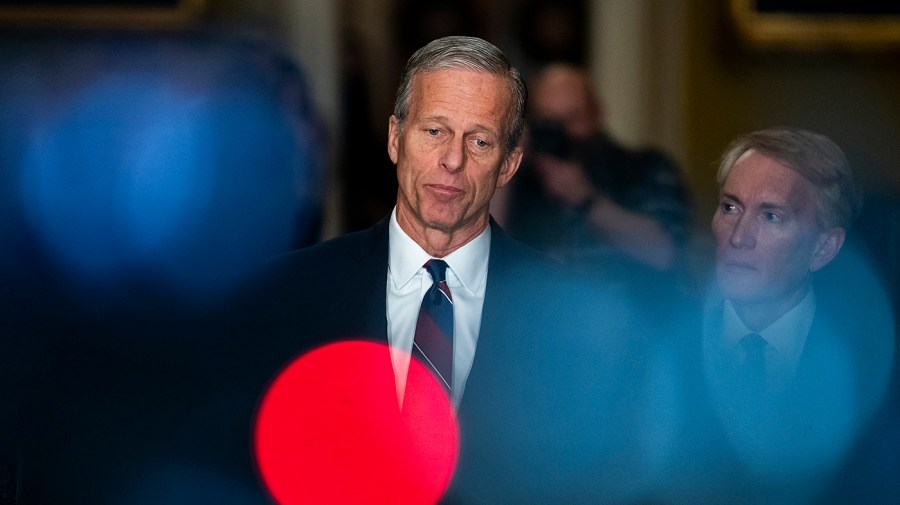
In response to the dissent, John Thune acknowledged the concerns raised by his colleagues but reiterated the challenges of crafting a solution that satisfies both party leadership and the broader Republican base. He stated, “We are committed to finding a way forward, but it requires collaborative discussions and compromise.”
The call for action comes at a time when many Americans are grappling with economic uncertainties, making the issue of health care affordability all the more pressing. Polls indicate that health care remains a top concern for voters ahead of the upcoming elections, with many indicating they would support candidates who prioritize health care reform.
As Congress returns to session, the pressure on Republican leadership to address health care subsidies will likely intensify. The outcome of these discussions could significantly impact not only the party’s unity but also voter sentiment as the nation approaches the 2024 elections.
Republican leaders are now tasked with balancing the demands of their party members with the need to present a cohesive strategy that addresses the health care crisis. Failing to do so could have lasting repercussions, both for individual lawmakers and the Republican Party as a whole. The clock is ticking as they navigate this complex issue, and the stakes couldn’t be higher.