








































Australia implemented a groundbreaking ban on social media for users under the age of 16 on March 15, 2023. The legislation prohibits access to popular platforms such as Snapchat, TikTok, and Instagram. However, despite the ban, many teenagers have swiftly found ways to regain access, raising questions about the effectiveness of the new regulations.
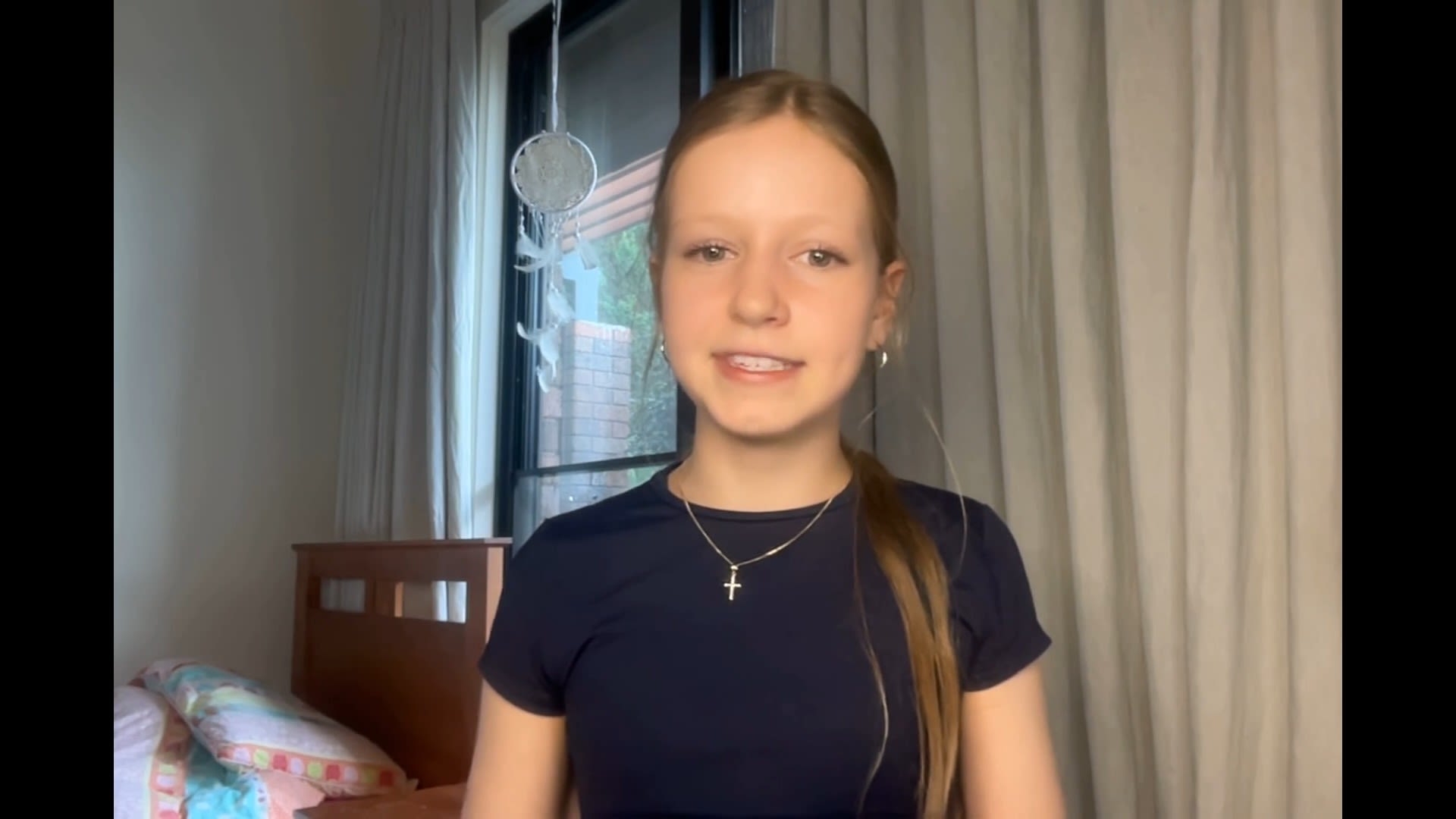
Lucy Brooks, a 14-year-old cheerleader, was among those affected by the ban. Initially losing access to Snapchat, she was able to reconnect with her friends within 24 hours. Many teenagers have created new accounts, often using the images of parents or older friends to bypass age verification measures. “A lot of the time it was with the parents’ knowledge, but people are also using AI-generated pictures,” Lucy explained. She noted that she still uses TikTok and Snapchat, highlighting the challenges of enforcing the ban.
The Australian government’s decision to implement this ban came amid increasing concerns about the impact of social media on youth, particularly regarding cyberbullying and online exploitation. To commemorate the legislation’s launch, Prime Minister Anthony Albanese hosted a barbecue at his Sydney residence, inviting parents of children who have suffered from cyberbullying, as well as advocates for safer online environments. In a show of support, the Sydney Harbour Bridge was illuminated in green and gold, displaying the campaign slogan “Let Them Be Kids.”
In a park beneath the bridge, a group of 15-year-old boys expressed their views on the ban. Most had not lost access to their accounts, with one boy admitting, “I think it’s because I put my birthdate in as the year 2000 when I first signed up.” Others emphasized their preference for Snapchat over alternative messaging services, stating, “Getting actual phone numbers is annoying.” The boys noted their reliance on social media for news, with one mentioning his news feed from Channel Nine, an Australian broadcaster.
The ban has also drawn criticism from young entrepreneurs. Leo Puglisi, an 18-year-old founder of the online news channel 6 News, argues that the ban will not achieve its intended goals. “I know that it doesn’t stop young people going on social media,” he said, pointing out that his younger brother remains active online. Puglisi believes a balance needs to be struck, allowing older teenagers access while protecting younger children.
Another young entrepreneur, Lucas Lane, who founded his business, Glossy Boys, at age 13, is concerned about the implications of the ban for his enterprise. He noted that social media is vital for connecting with his audience. “This social media ban is going to very much impact my business,” he stated, advocating for educational measures and restrictions rather than an outright ban.
As the ban unfolds, legal challenges have emerged. Reddit has filed a lawsuit in Australia’s High Court, claiming the legislation poses significant privacy and political expression issues. The platform has stated that it is complying with the law while contesting its implications.
Teenagers are creatively adapting to the new restrictions. Some are exploring lesser-known apps like Yope and Coverstar, while others express disbelief that their accounts remain active. Shar, a 15-year-old aspiring singer, stated, “None of my accounts on any platform has been shut down.” She expressed surprise at the lack of enforcement, suggesting that the authorities need to follow through on their intentions.
For many teenagers, the uncertainty surrounding the ban is causing anxiety. Lucy mentioned that her friends had exchanged phone numbers in anticipation of losing their accounts, but have yet to use them. She wants to maintain her Instagram account for cheerleading purposes, emphasizing the need for a more balanced approach to social media access. “I think children shouldn’t be on social media that much,” she said, noting that imposed time limits might be a more effective solution.
As Australia navigates the complexities of this social media ban, the responses from teenagers and advocates highlight the challenges of balancing online safety and the desire for connection in a digital age.
























