








































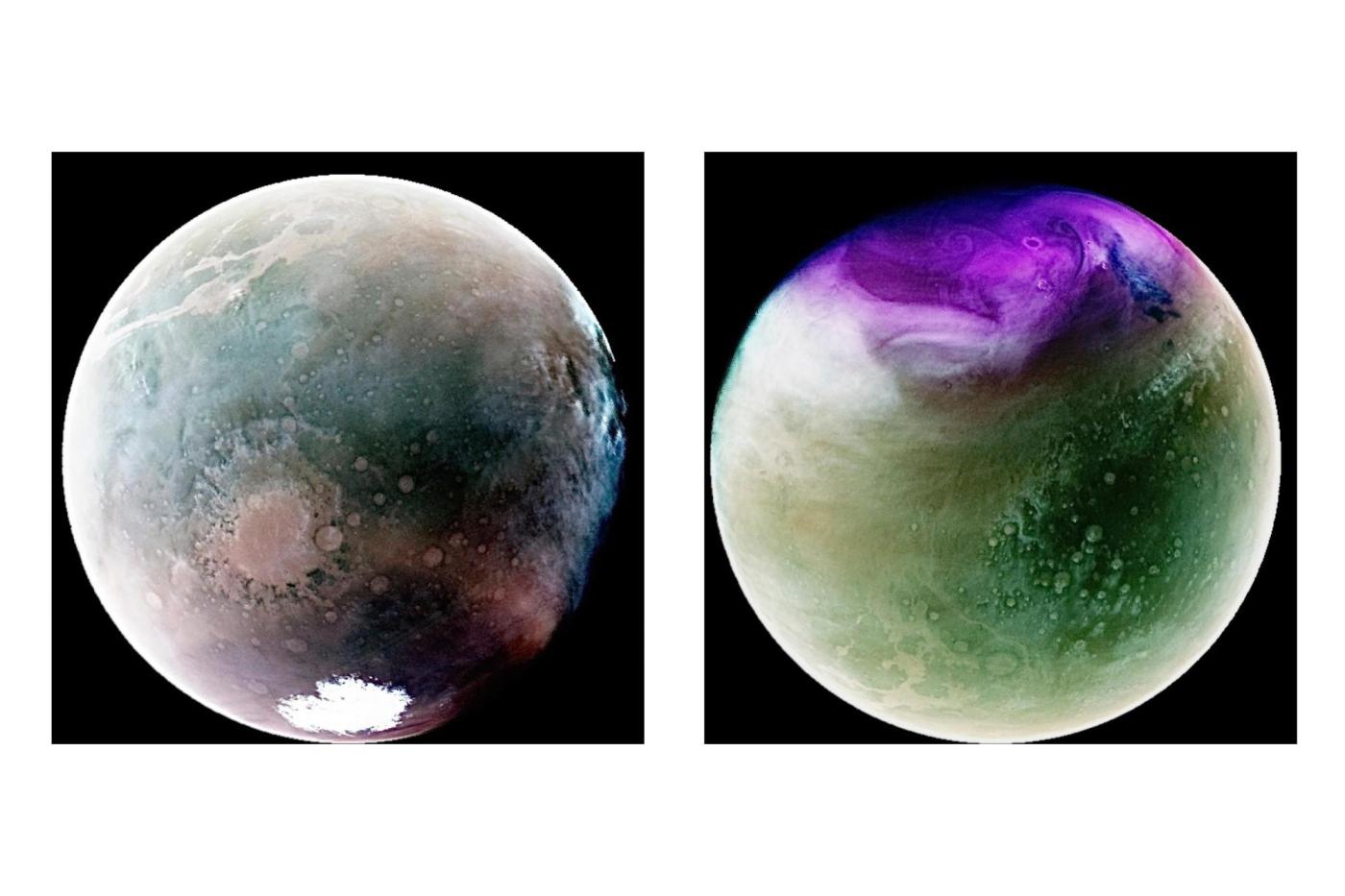
NASA has lost contact with its Maven spacecraft, which has been orbiting Mars since 2014. The spacecraft unexpectedly ceased communication with ground control over the weekend, leaving scientists puzzled. Prior to its disappearance, Maven was functioning properly, but when it re-emerged from behind the red planet, there was no response.
Launched in 2013, Maven arrived at Mars in 2014 to study the upper atmosphere and its interactions with solar wind. The spacecraft’s findings have significantly contributed to understanding how Mars transitioned from a warmer, wetter environment to the cold, dry planet it is today. Researchers have attributed much of this atmospheric loss to solar activity.
Significance of Maven’s Role
In addition to its atmospheric studies, Maven has played a crucial role in supporting NASA’s other Martian missions. It has acted as a communication relay for the Curiosity and Perseverance rovers, both of which continue to conduct vital research on the Martian surface. The loss of Maven could impact data transmission from these rovers, underscoring the spacecraft’s importance within NASA’s broader Martian exploration efforts.
NASA is currently conducting engineering investigations to determine the cause of the communication failure. The agency still has two other spacecraft actively studying Mars: the Mars Reconnaissance Orbiter, launched in 2005, and Mars Odyssey, which has been in orbit since 2001.
As scientists await further information, Maven’s loss serves as a reminder of the challenges inherent in space exploration. The mission has provided valuable insights for nearly a decade, marking a significant achievement for NASA and the scientific community.
The Associated Press Health and Science Department receives funding from the Howard Hughes Medical Institute’s Department of Science Education and the Robert Wood Johnson Foundation. The content remains the sole responsibility of the AP.
























