








































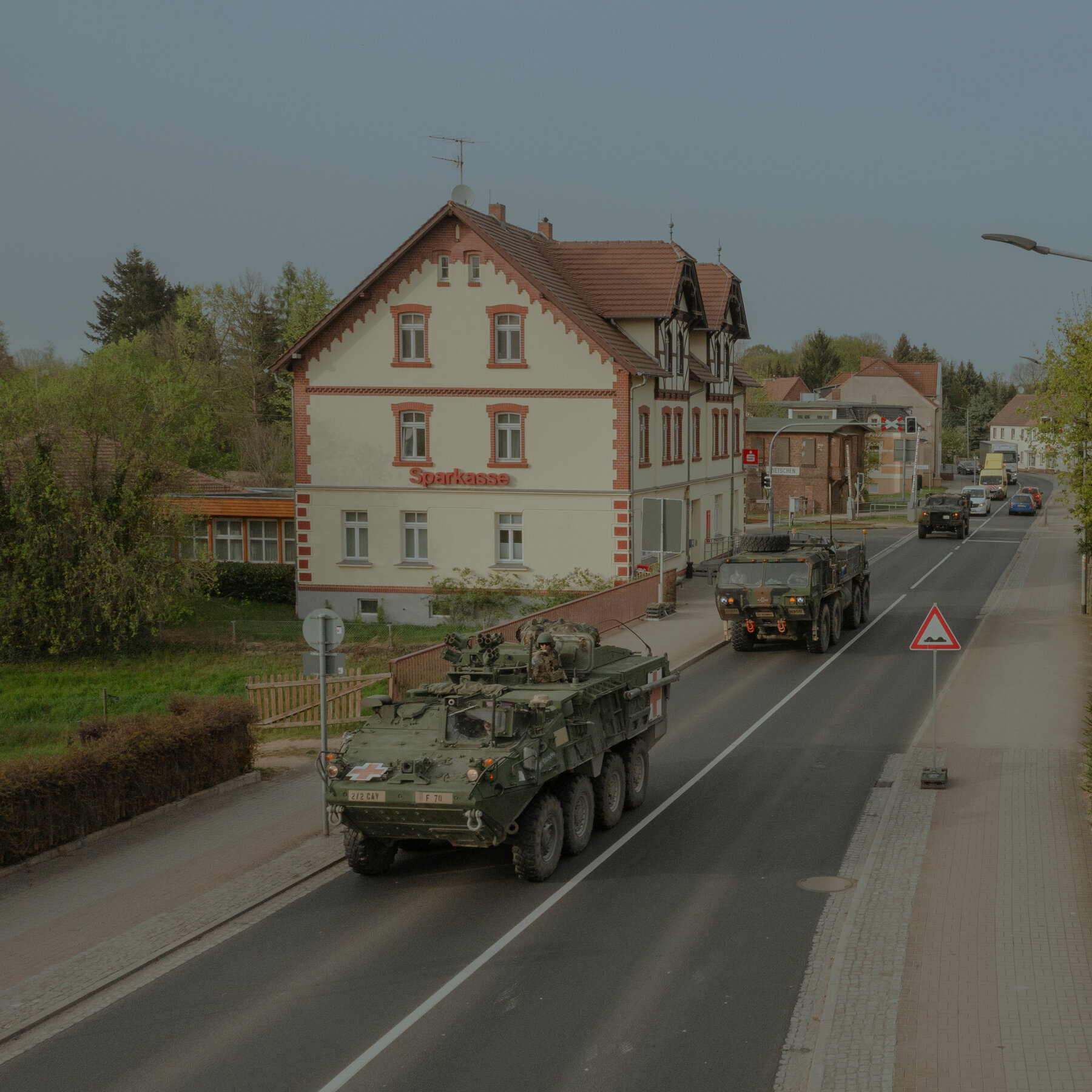
The security landscape in Europe is shifting significantly as rising tensions between Russia and the United States leave European nations grappling with critical decisions regarding Ukraine. With the ongoing conflict in Ukraine intensifying, European countries are under pressure to solidify their strategies for countering external threats while navigating a complex geopolitical environment.
NATO, the North Atlantic Treaty Organization, has become a focal point for European security discussions. As the alliance continues to support Ukraine amidst escalating hostilities, member nations are weighing their options to enhance military readiness and bolster defense spending. Jens Stoltenberg, NATO’s Secretary General, has emphasized the need for unity and a decisive response in the face of aggression from Russia.
The looming question for European leaders is how to balance their security needs without becoming overly reliant on U.S. support, especially as political dynamics shift in Washington. The uncertainty surrounding future U.S. foreign policy, particularly in light of the upcoming presidential election in November 2024, adds a layer of complexity to Europe’s security strategy.
Geopolitical Landscape and the Future of Ukraine
The ongoing conflict in Ukraine has forced European nations to reassess their alliances and military strategies. The situation remains dire, with reports indicating that the conflict could escalate further as both Russia and Ukraine prepare for potential offensives in the coming months. European leaders are increasingly aware that their security cannot rely solely on external powers and must focus on developing a robust defense framework.
In Berlin and Warsaw, discussions are taking place about increasing military cooperation and enhancing border security measures. The European Union is also contemplating a unified approach toward defense, which could include increased military funding and joint operations among member states.
The financial implications of these security challenges are significant. Some estimates indicate that European countries may need to allocate an additional €200 billion ($220 billion) over the next five years to modernize their armed forces and improve military infrastructure. This investment is seen as essential to ensure that Europe can respond effectively to any potential threats from Russia.
The decision to increase military spending has sparked debates within various governments. For instance, in Germany, where public opinion has traditionally been against high military expenditures, recent polling shows a notable shift. Approximately 60% of Germans now support increasing defense budgets, reflecting a growing recognition of the need for enhanced security measures.
Looking Ahead: Europe’s Path to Security
As Europe navigates these challenges, the path forward will require not only military enhancements but also a concerted diplomatic effort. Engaging in dialogue with Russia while maintaining a firm stance on territorial integrity and sovereignty is crucial. European leaders are tasked with crafting a strategy that balances deterrence with diplomacy.
The future of Ukraine remains uncertain, but European nations are committed to supporting its sovereignty. As the situation evolves, the collective response from Europe will determine not only the fate of Ukraine but also the broader stability of the continent.
In conclusion, the security challenges facing Europe transcend the complexity of international alliances. With critical decisions on the horizon, European leaders must prioritize a unified approach that strengthens defense capabilities while addressing the socio-political implications of increased military readiness. The outcome of these efforts will significantly influence the region’s stability in the years to come.
























