








































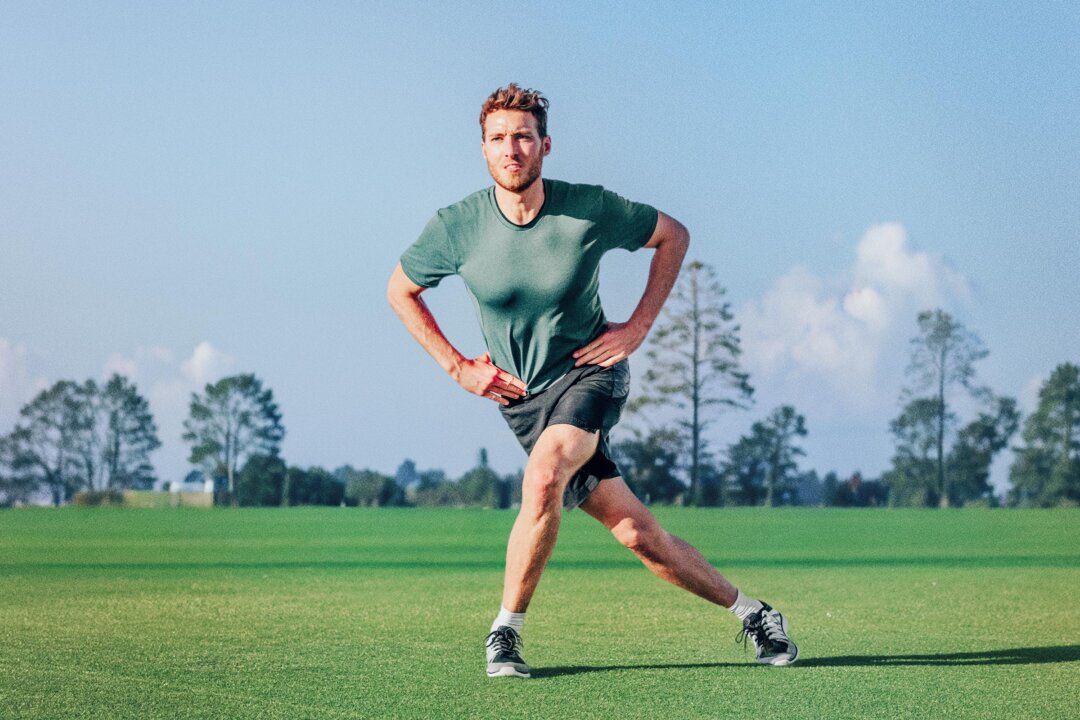
The human body possesses remarkable strength and resilience, often exceeding our expectations. In the realm of rehabilitation, this adaptability is a critical focus for therapists, who tailor their approaches to meet the unique needs of each patient. Through targeted exercises that promote coordinated muscle engagement, individuals can significantly improve their physical capabilities.
Therapists have witnessed extraordinary transformations in their patients. For instance, individuals who struggle with basic movements, such as sitting up or rolling from side to side, can often regain their strength within a short timeframe. In many cases, patients leave rehabilitation just two months later, laughing and conversing as they walk out the front door—a testament to their progress and determination.
Adapting Rehabilitation Techniques
The journey of recovery in rehabilitation is anything but uniform. While some patients may present similar clinical symptoms, their rehabilitation paths are uniquely tailored to accommodate individual circumstances. This adaptability is essential, as each person’s body responds differently to treatment.
Therapists employ a variety of creative techniques designed to engage multiple muscle groups simultaneously. Such exercises not only enhance physical strength but also promote coordination and balance. This holistic approach allows patients to not only regain lost functions but also to develop new capabilities.
Moreover, the importance of coordinated muscle engagement extends beyond rehabilitation settings. Individuals looking to improve their overall fitness can benefit from incorporating similar exercises into their daily routines. By focusing on how different muscle groups work together, people can enhance their strength and stability, ultimately leading to a healthier lifestyle.
The journey of rehabilitation underscores the power of the human body to heal and adapt. As therapists continue to innovate and implement tailored exercises, patients can experience significant improvements in their physical performance. This ongoing commitment to personalized care highlights the importance of understanding the unique needs of each individual, fostering a supportive environment for recovery.
In conclusion, the potential for recovery and improvement is vast. With the right guidance and tailored exercises, individuals can harness their inherent strengths, demonstrating that resilience and adaptability are at the core of the human experience.
























