








































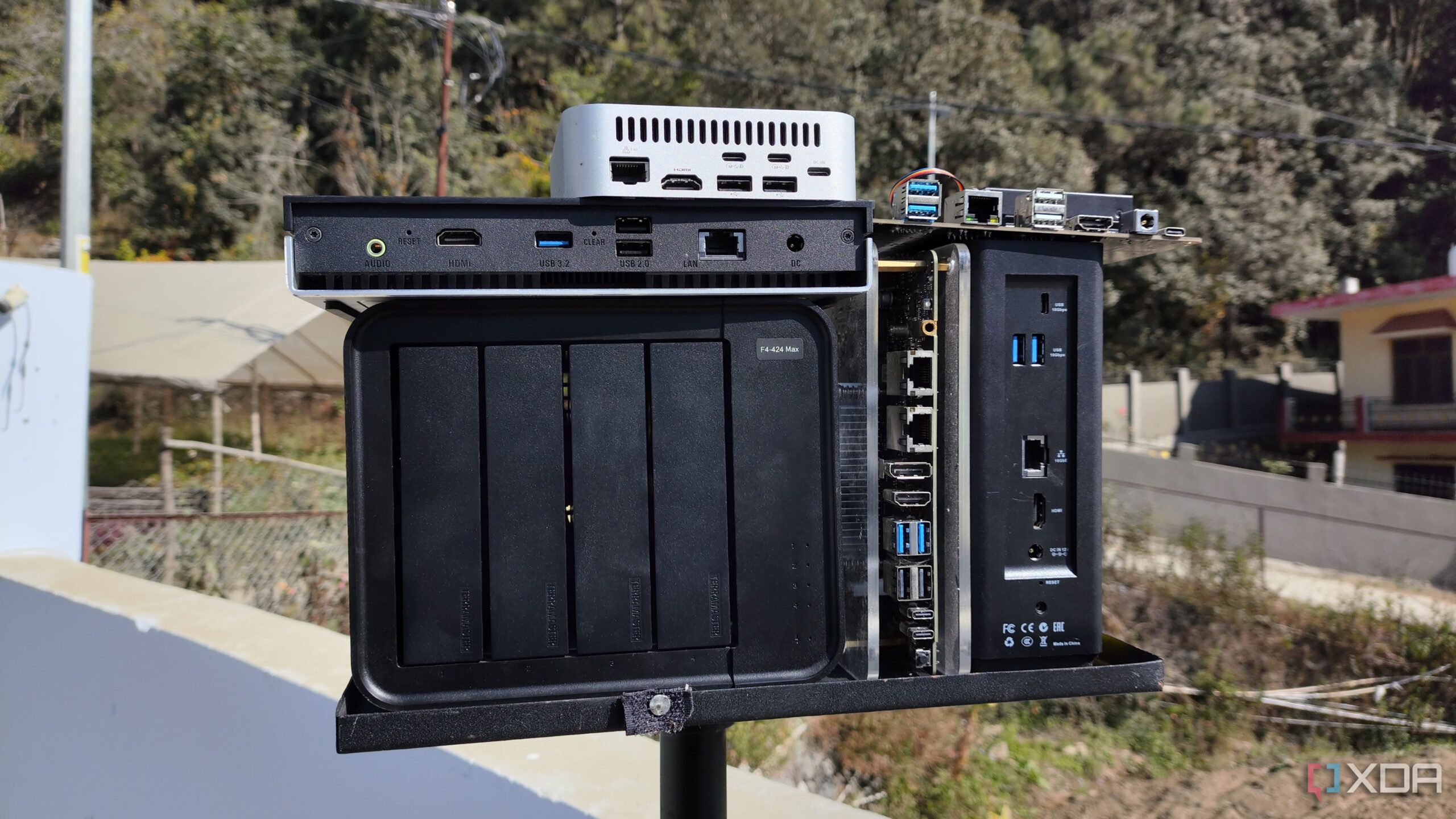
Home servers play a critical role in managing media streaming, file serving, automation, and backups. The selection of hardware significantly affects the performance and reliability of these systems over time. While many consumers focus on high-profile specifications, certain deeper features can greatly enhance the overall experience of using a mini PC as a home server.
Power Efficiency and Stability
Power efficiency is a fundamental characteristic of a reliable home server. These devices operate continuously, so selecting a mini PC that maintains low energy consumption is vital. A unit that consumes only a few watts when idle can save substantial amounts on energy bills annually. Moreover, lower power usage generates less heat, which in turn prolongs the hardware’s lifespan and minimizes noise levels.
An efficient mini PC can handle increased workloads without sudden power surges, ensuring a stable thermal profile. This consistency is especially important for users running multiple applications or services, such as home automation tools or personal cloud systems. A steady power draw not only enhances performance but also allows you to place your server in various locations without concern for overheating.
Storage and Expandability
Fast storage solutions are crucial for home servers. An NVMe drive with robust sustained read and write speeds is essential for tasks like launching containers quickly and preventing database lag. These drives are particularly beneficial for users with extensive media libraries, as they facilitate rapid loading of high-resolution content.
Many mini PCs offer multiple NVMe slots, allowing users to separate workloads or expand storage capacity as needed. This flexibility is essential for those who plan to increase their self-hosted tools over time, ensuring that the server remains effective for years to come. Reliability is another key factor, as high-quality NVMe drives can handle constant small writes without performance degradation, a significant advantage for logging and monitoring tasks.
Networking Capabilities
Advanced networking features are also vital for home servers. The inclusion of 2.5-gigabit Ethernet ports significantly enhances data transfer speeds compared to traditional gigabit connections. This increased bandwidth facilitates quicker file transfers and improves the performance of media streaming, particularly when multiple devices access content simultaneously.
For those who engage in remote work or utilize collaborative tools, faster networking capabilities can dramatically enhance the user experience. Additionally, a robust network setup supports more complex configurations, such as virtual machines or network-attached storage solutions, without becoming a bottleneck.
Memory and Processing Power
Memory stability is another critical aspect of a well-functioning home server. Fluctuating or unreliable memory can lead to errors that compromise data integrity. Some mini PCs offer support for Error-Correcting Code (ECC) memory, which can address single-bit errors in real time. Even systems without ECC can benefit from modern DDR5 memory, which provides reliability and performance benefits.
As server setups evolve, the demand for memory can increase significantly. Therefore, selecting hardware with higher memory capacity is essential for accommodating growing workloads from applications related to media servers, smart home hubs, and container management. Adequate memory not only reduces the risk of slowdowns but also enhances the overall efficiency of updates and migrations.
Hardware Transcoding for Media Streaming
Hardware transcoding is a valuable feature for media servers using platforms like Jellyfin or Plex. This capability allows the server to offload video conversion tasks to specialized hardware, maintaining responsiveness even when streaming multiple videos simultaneously. Technologies such as Intel Quick Sync are effective in handling various video formats with minimal CPU usage, making it easier to deliver tailored streams to diverse devices.
This feature significantly enhances streaming quality, especially in households with extensive media libraries. By ensuring that streams remain smooth, even during other intensive tasks like backups, hardware transcoding transforms a modest mini PC into a capable media hub.
The essential features outlined above contribute to the reliability, performance, and adaptability of home servers. By prioritizing these specifications when selecting a mini PC, users can avoid common pitfalls and build a robust foundation that supports their evolving needs for years to come.
























