








































U.S. Representative Marjorie Taylor Greene announced her resignation from Congress, effective January 5, 2024, a move that raises significant concerns for the Republican Party. Greene, often described as a polarizing figure, has been a prominent member of the GOP’s far-right faction. Her departure may reflect a broader discontent within the party, particularly about its relationship with the current administration.
Greene’s resignation comes at a time when many Republican legislators feel marginalized. According to a senior House Republican speaking to Punchbowl News, “This entire White House team has treated ALL members like garbage.” This sentiment appears widespread among GOP members, who reportedly feel “run roughshod and threatened” by the administration. The source indicated that members are aware of the potential loss of their majority in the upcoming midterms scheduled for November 2024.
As Greene’s exit reduces the Republican majority to just five seats, the implications for House Speaker Mike Johnson become more pronounced. The House, already facing challenges in governance, may struggle even further during this transitional period. Historically, midterms have not favored the party in power, and the Republicans are currently grappling with attempts to redraw district maps to gain additional congressional seats. These efforts have encountered obstacles in both the courts and political arenas.
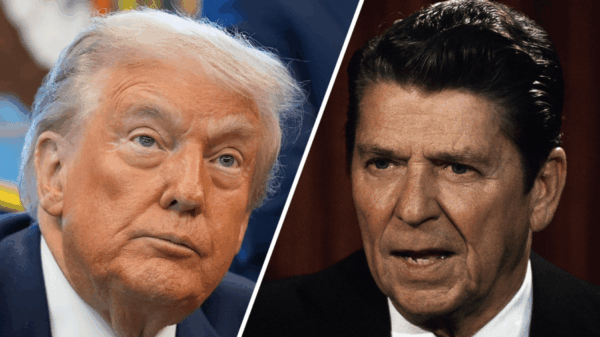
The current political climate within the GOP is troubling. Traditionally, members found solace in a shared cause, such as the conservatism championed by former President Ronald Reagan. While former President Donald Trump has undeniably reshaped the party’s identity, his leadership style has not fostered a sense of partnership among congressional Republicans. Instead, many feel they serve primarily as instruments for his agenda, rather than as co-collaborators in governance.
Trump’s previous attempts to engage Congress, notably during efforts to repeal and replace the Affordable Care Act, resulted in dissatisfaction among party members. With a slim House majority, Trump may be hesitant to rely on congressional support for his policy initiatives. Over the past quarter-century, House Republicans have frequently occupied a position of power only when a Democrat held the presidency, often functioning as detractors rather than proactive agenda-setters.
The Republican Party’s disappointing performance in the last midterms, where they achieved only a modest majority, has left many members questioning the future of Trumpism once he is no longer a candidate. Despite Greene’s resignation, the majority of lawmakers still intend to remain in Congress. However, a few more departures could jeopardize the party’s control of the House before the crucial elections.
Looking ahead, the relationship between Trump and congressional Republicans will be critical. Without a functional House, Trump’s prospects for enacting his initiatives could diminish significantly, stalling his political ambitions. The GOP must address its internal challenges and learn to navigate the complexities of modern governance effectively.
As the Republican Party faces uncertain times, it is essential for both the president and his party to embrace collaboration with Congress. The current political landscape requires bold action and relevance that resonates with constituents. The GOP must move beyond past politics and redefine its path forward, ensuring that it remains a formidable force in American politics.