








































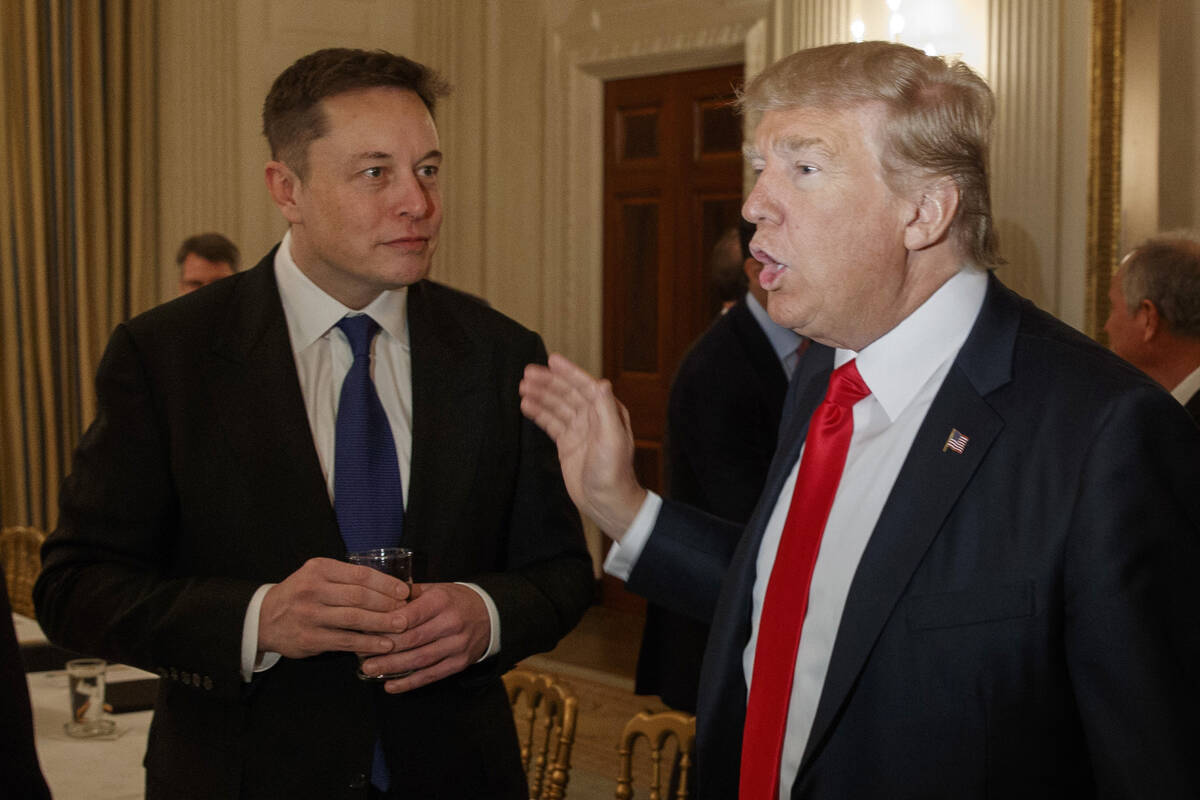
The Department of Government Efficiency, established during the presidency of Donald Trump and led by entrepreneur Elon Musk, has undergone significant transformation. Its functions have been decentralized and transferred to the Office of Personnel Management (OPM). Despite not achieving Musk’s ambitious goal of $1 trillion in budget reductions, the initiative—known as DOGE—has reportedly identified $214 billion in savings for the federal government.
A breakdown of these savings reveals a mix of eliminated and reformed contracts, totaling $61 billion, the cancellation of federal grants amounting to $49 billion, and lease terminations valued at $113 million. Such measures have faced criticism from various special interest groups in Washington, D.C., where government programs are often viewed as inviolable, regardless of financial realities.
The United States currently faces a staggering national debt of $37 trillion, leading to growing concerns about the sustainability of key programs, including Social Security. Political gridlock has hindered efforts to address this fiscal challenge. Some politicians propose increasing taxes on American wage earners as a solution, but many argue that a thorough examination of government spending is essential for finding waste and inefficiencies.
Even former President Barack Obama recognized the need for fiscal reform when he established the Simpson-Bowles Commission in 2010, which aimed to recommend strategies for sustainable financial management. However, the commission’s findings failed to gain traction, similarly to Musk’s initiatives, stymied by entrenched interests.
Yet, as fiscal pressures mount, there may be a shift in public appetite for reform. According to Eric Boehm, writing for reason.com, DOGE demonstrates that political leaders can propose bold ideas without fear. He noted that embracing radical proposals could energize voters. Boehm also highlighted how DOGE has inspired similar initiatives in various states, including Nevada, aimed at scrutinizing government spending and regulatory practices.
In a recent statement to Time magazine, White House Assistant Press Secretary Liz Huston reaffirmed the administration’s commitment to the principles established by DOGE. “President Trump was given a clear mandate to reduce waste, fraud and abuse across the federal government, and he continues to actively deliver on that commitment,” Huston stated.
OPM Director Scott Kupor echoed this sentiment, asserting that his office would uphold the goals of DOGE. He emphasized, “The principles of DOGE remain alive and well,” outlining a focus on deregulation, the elimination of fraud and waste, and efforts to reshape the federal workforce to prioritize efficiency.
As the nation grapples with mounting fiscal challenges, the legacy of DOGE may serve as a reminder of the necessity for innovative approaches to government spending. The dialogue surrounding efficiency and accountability is likely to persist, appealing to a public eager for substantive change.
























